![[{[item.product.name]}]]([{[item.product.photo.url]}] 75w)
Add to cart for free delivery -,--
Order Summary
Total 0 €
Price includes discounts

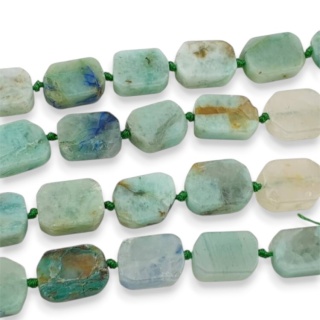
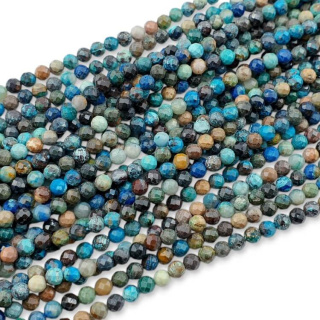
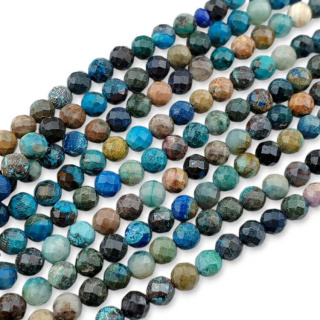
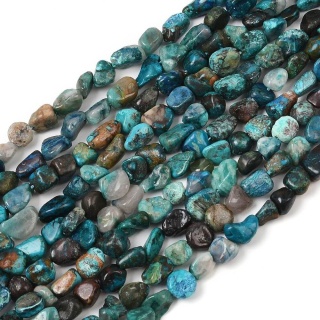
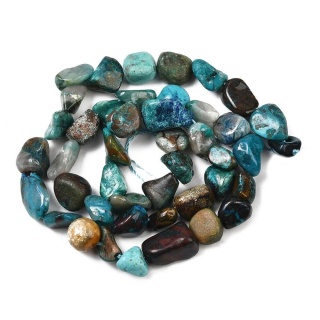
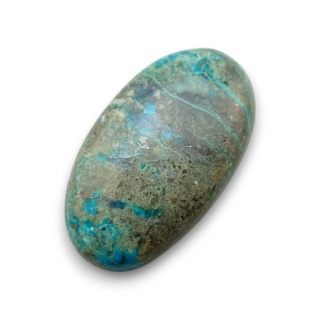
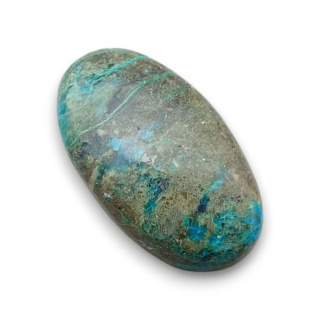
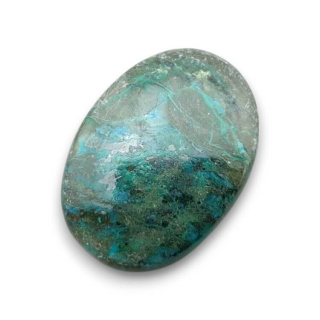
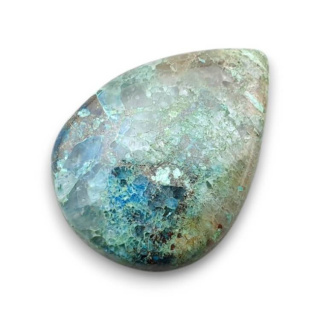
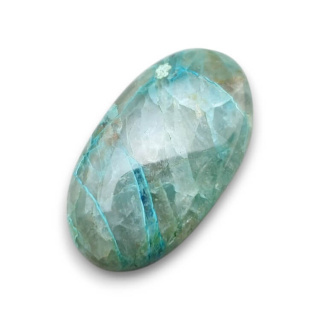
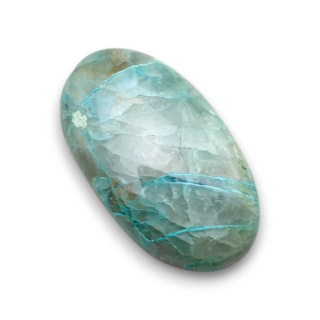
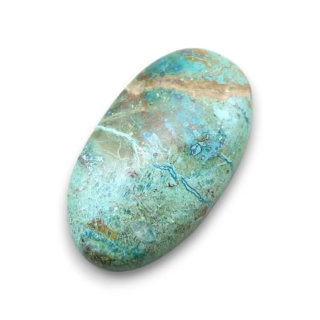
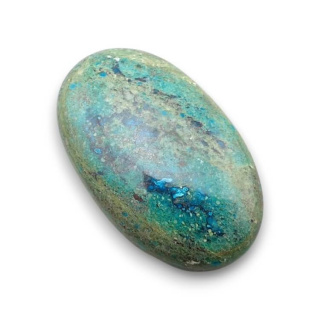
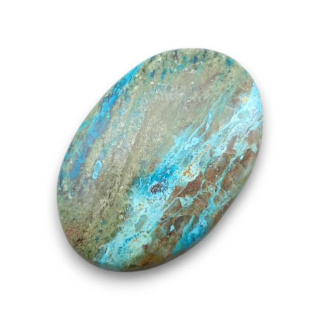
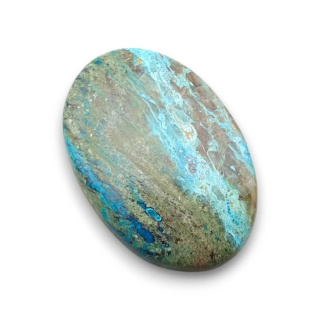
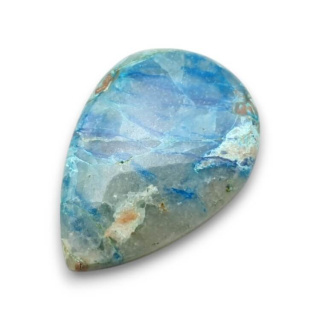
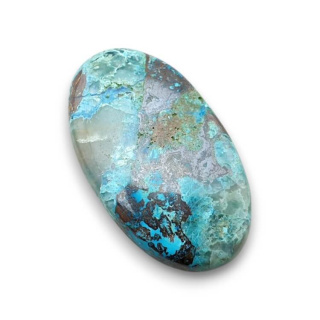
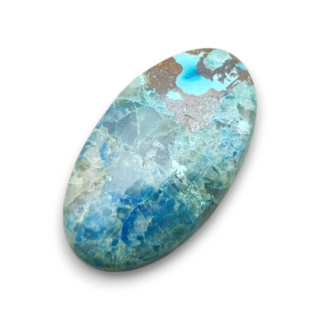
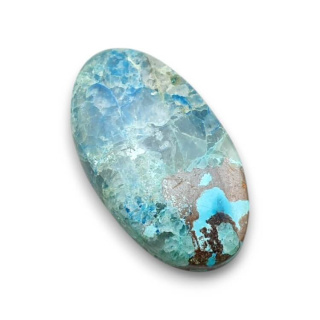
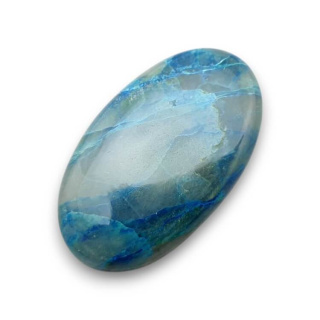
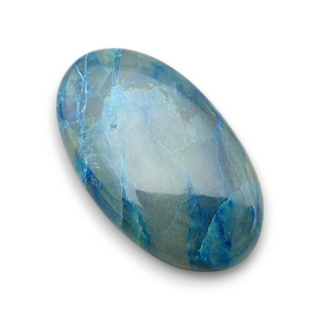
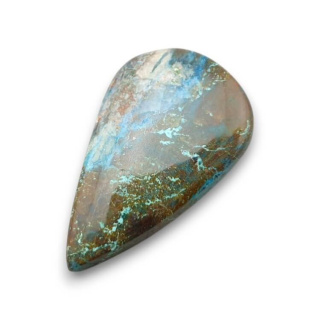
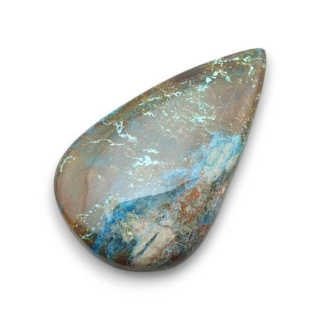
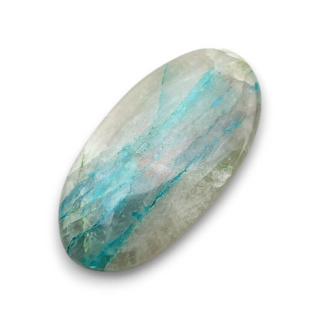
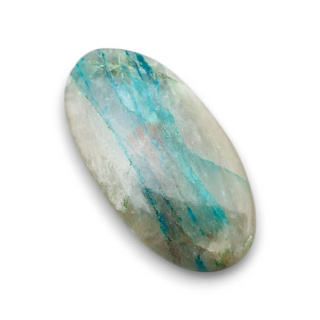
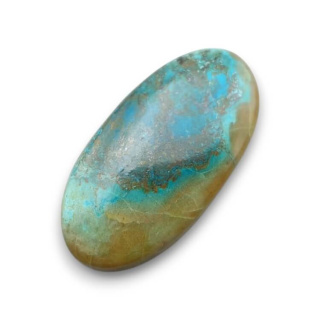
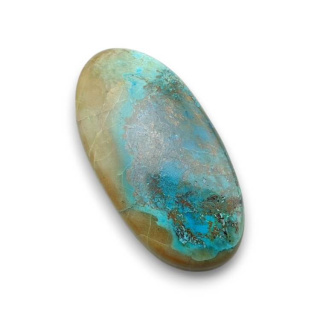
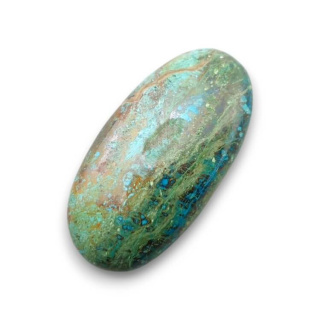
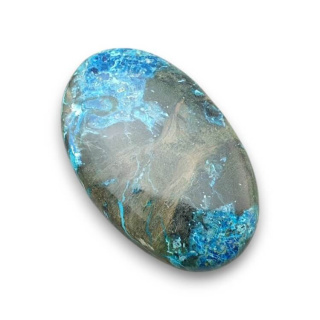
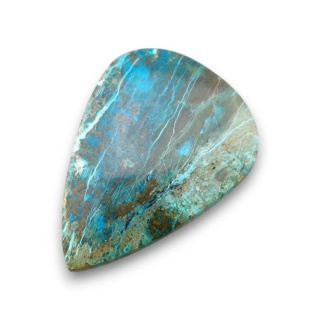
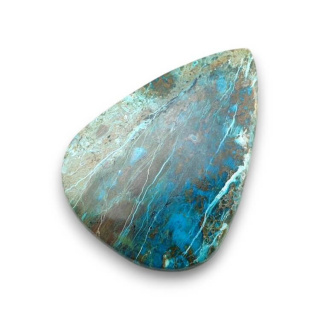
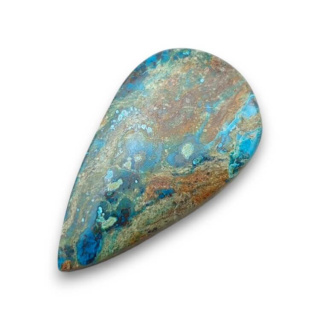
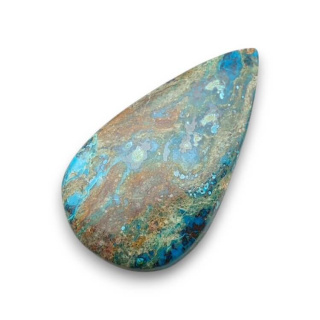
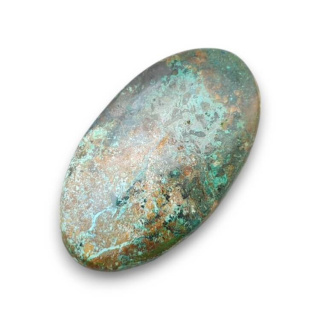
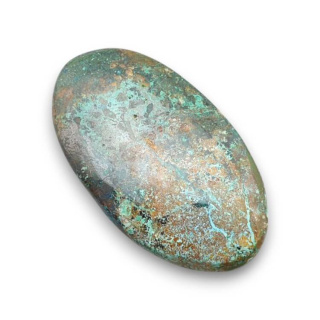
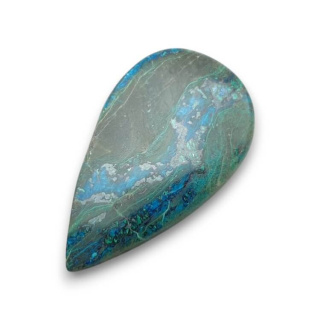
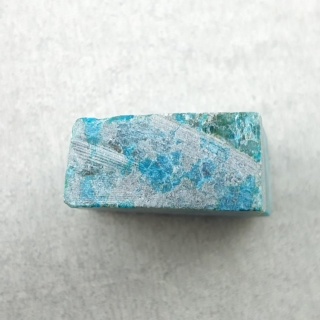
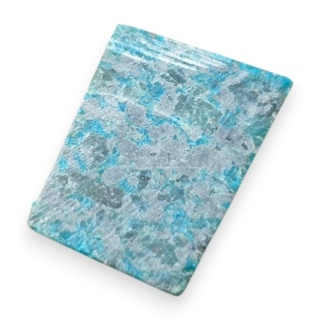
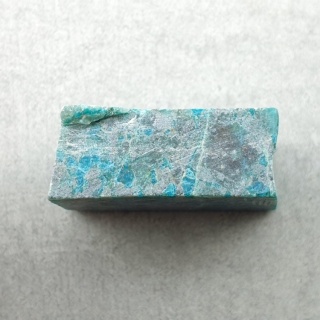
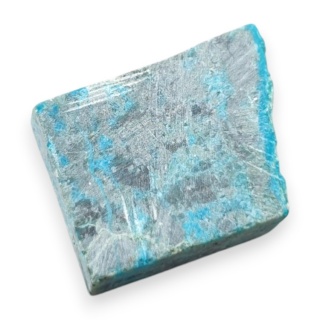
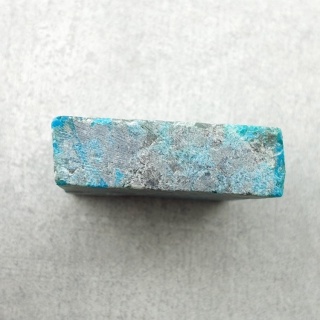
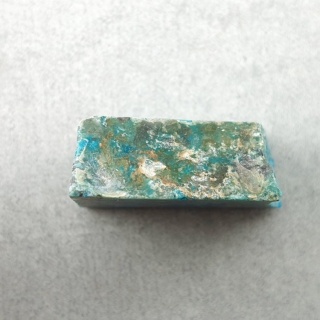
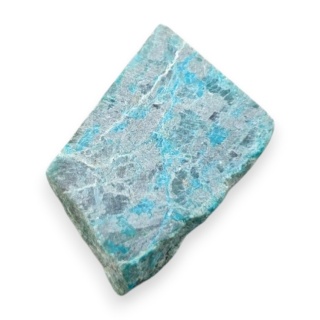
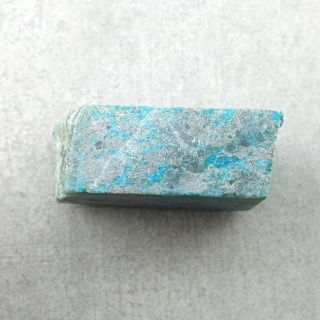
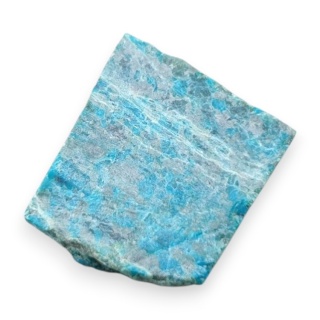
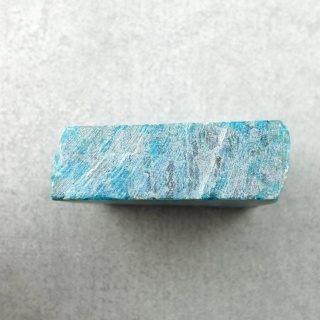
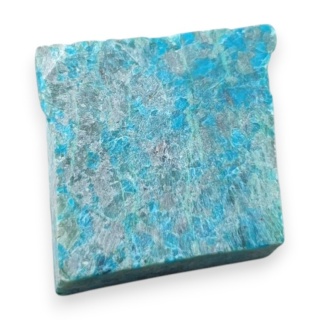
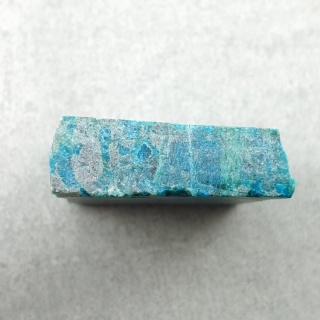
Chrysocolla: a beautiful blue mineral
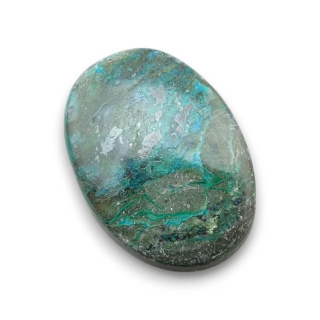
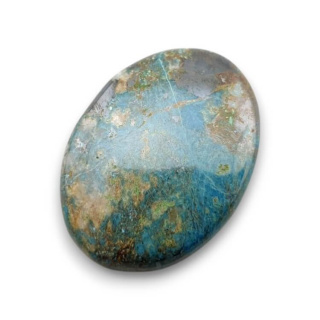
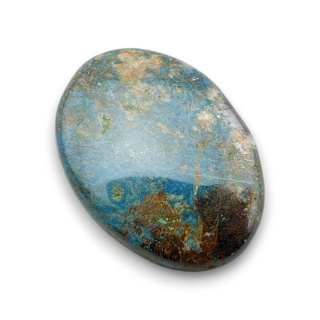
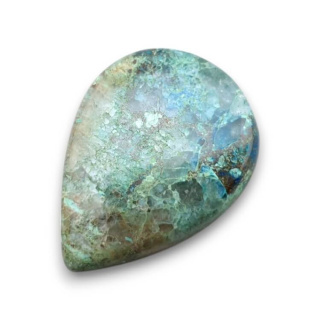
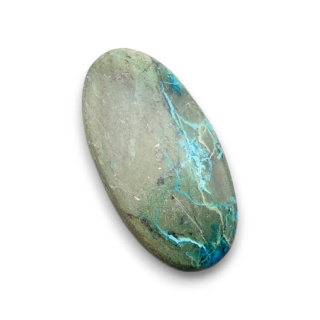
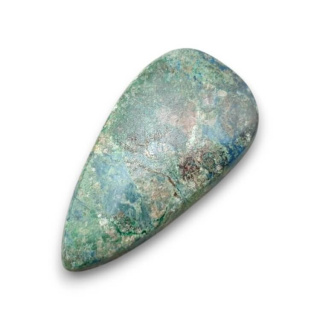
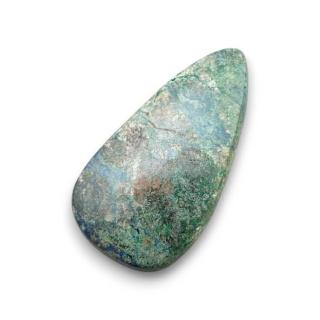
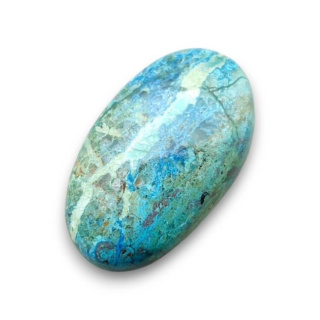
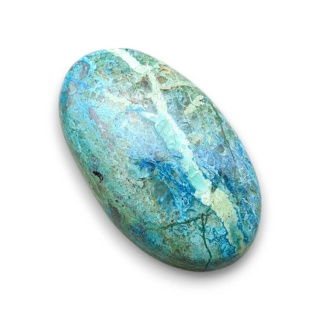
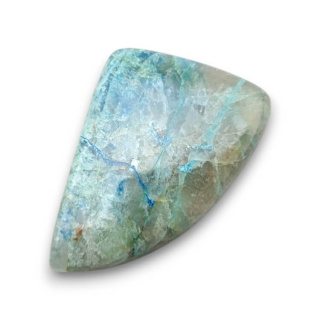
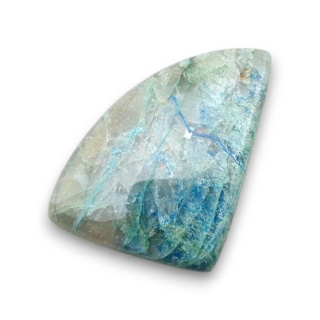
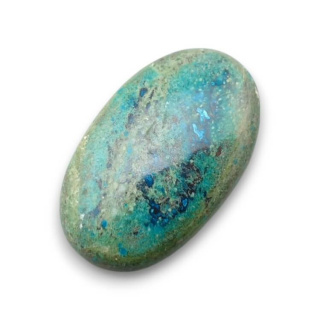
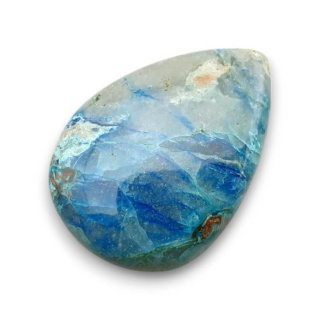
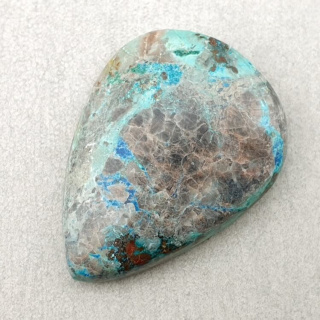
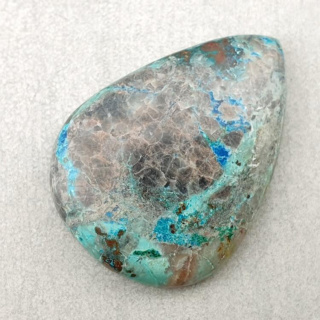
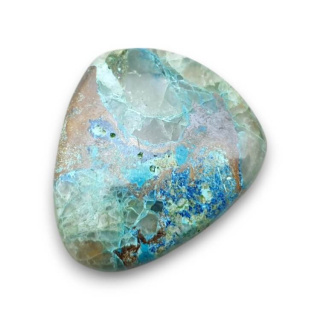
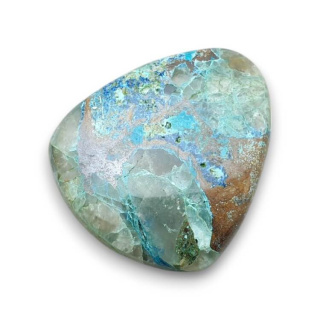
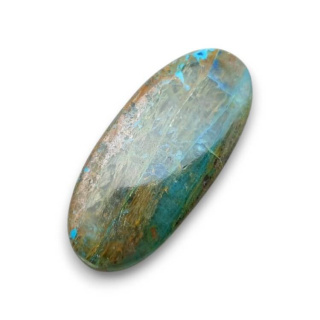
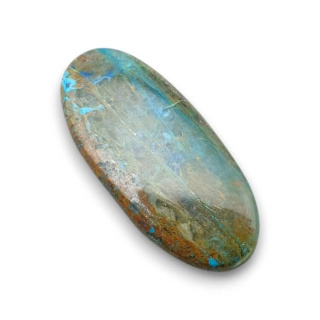
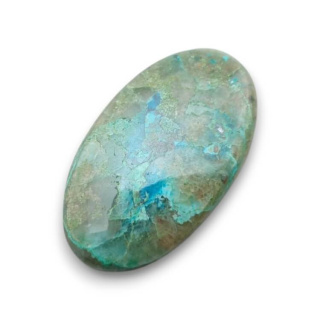
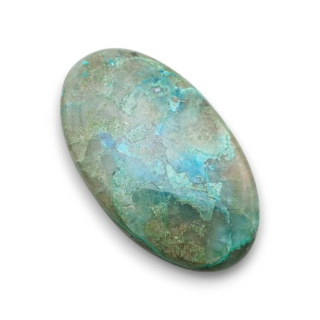
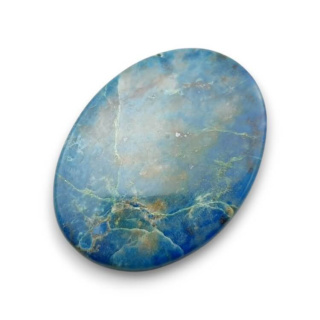
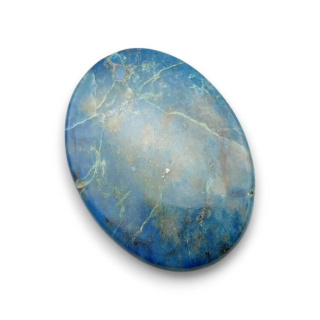
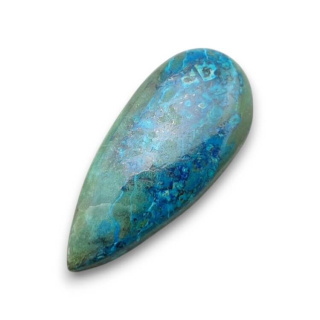
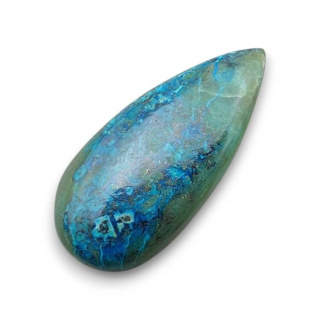
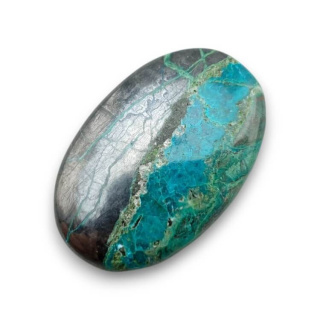
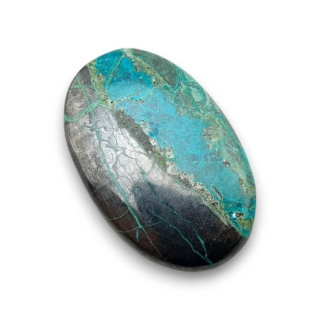
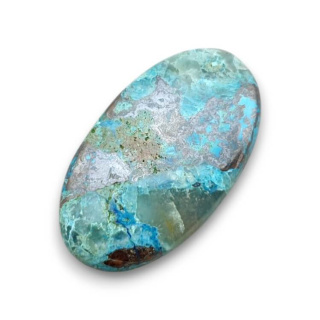
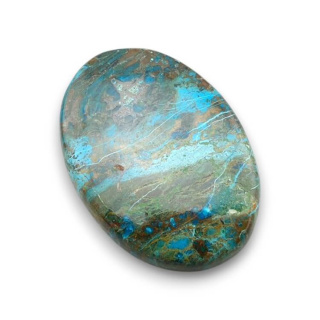
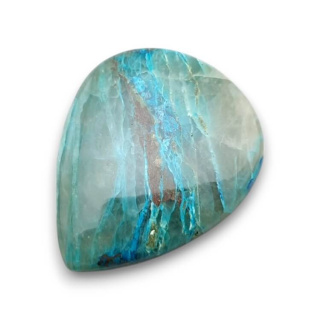
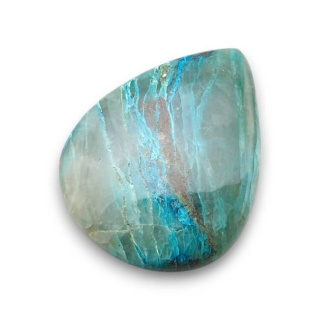
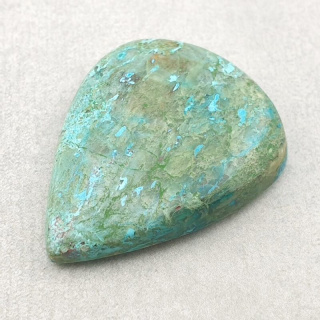
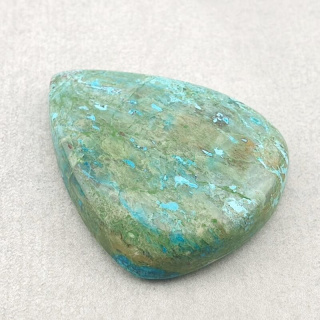
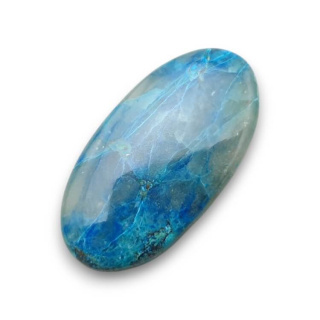
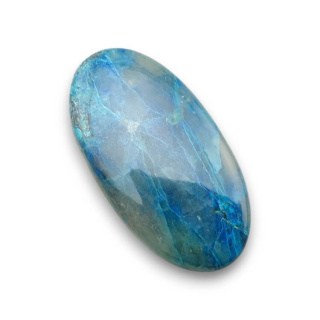
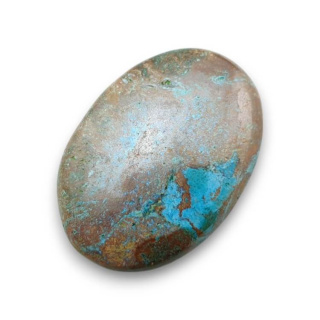
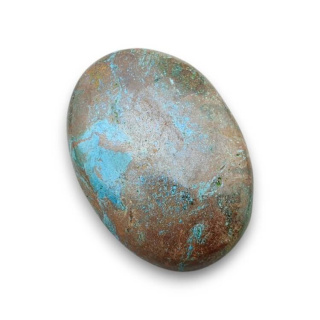
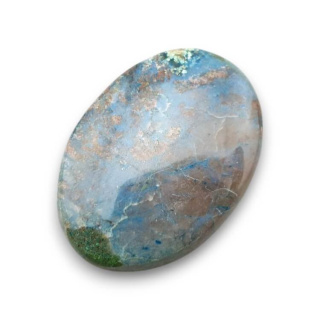
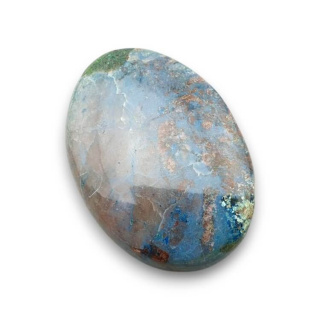
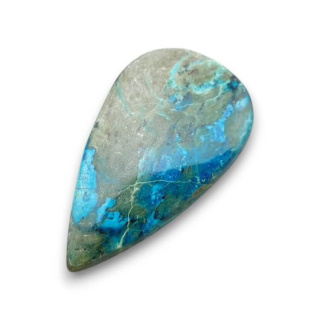
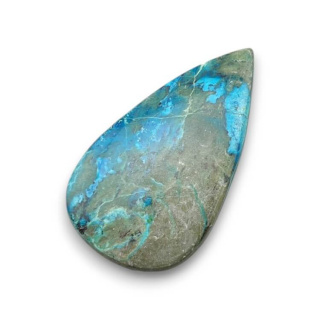
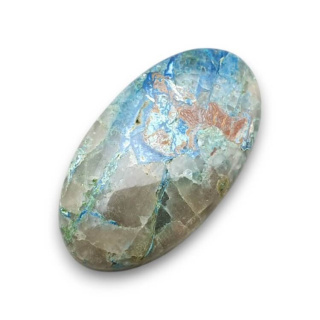
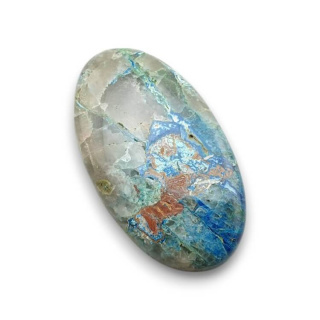
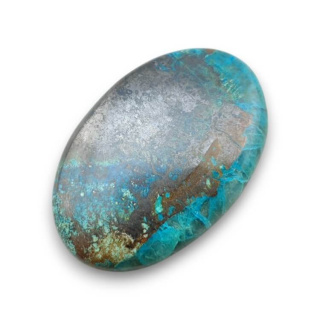
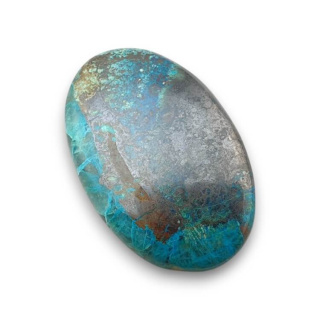
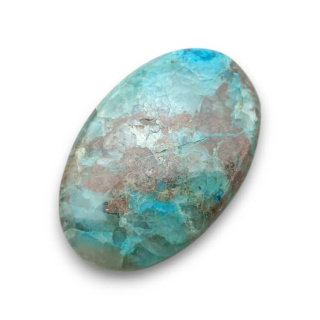
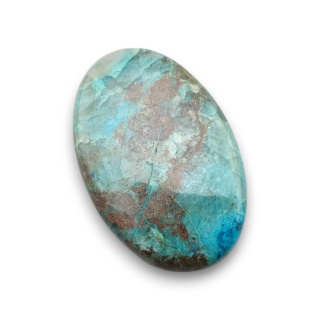
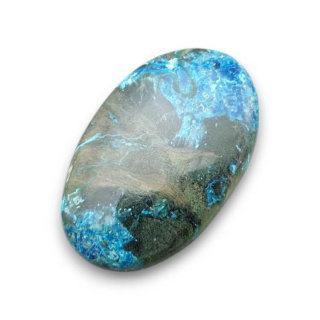
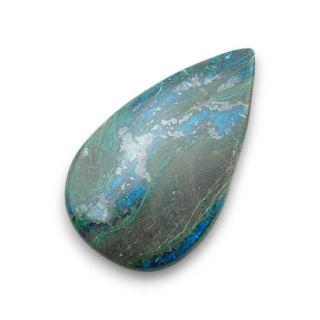
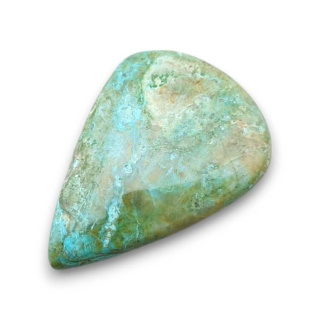
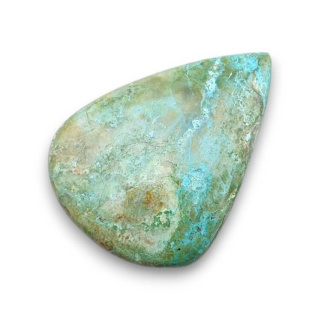
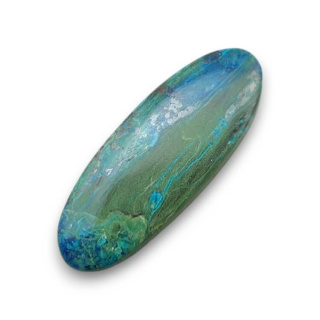
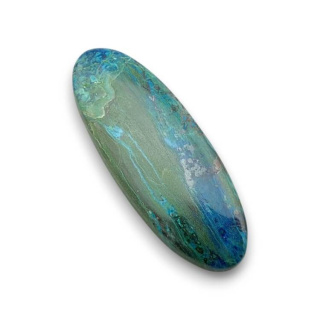
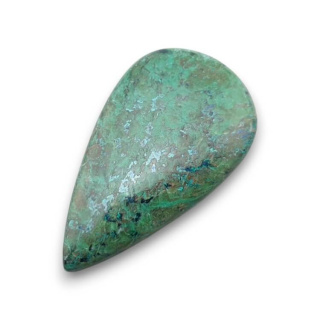
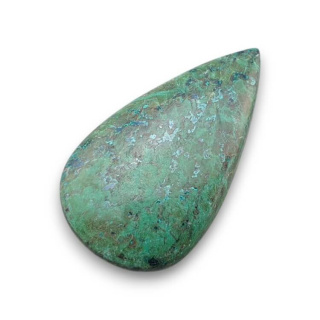
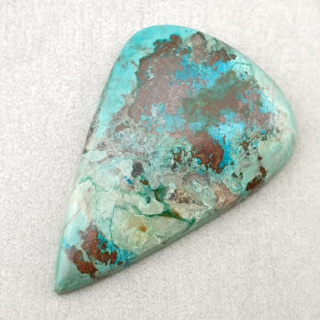
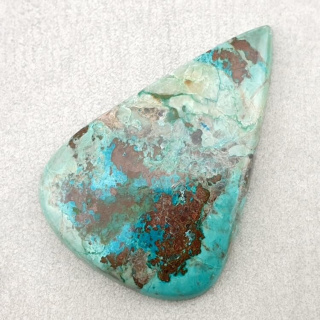
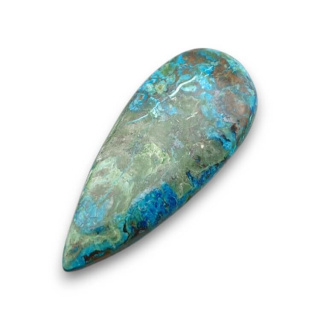
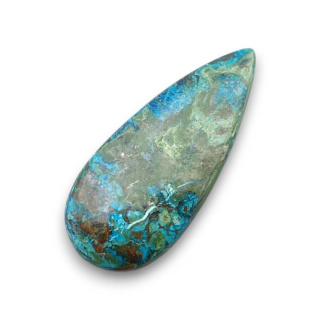
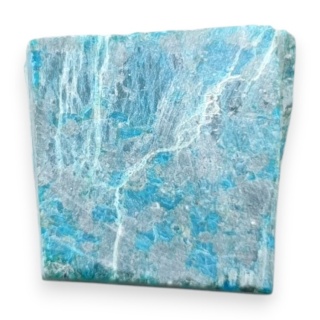
Number of products : 148Chrysocolla is a mineral from the carbonate group. It is typically blue-green, azure-green, or green in color, although it can occur in various shades of these colors.
It is a mineral containing copper, aluminum, silicon oxide, hydrogen oxide, and carbon. Its name comes from the Greek words "chrysos" (meaning gold) and "kolla" (meaning glue), which may be related to its historical use as a paint pigment.
Chrysocolla is a relatively soft mineral, with a Mohs hardness of 2.5 to 3.5, meaning it can be easily scratched with a sharp object. It is often found as a secondary product in the oxidation zones of copper deposits and may be associated with other copper-bearing minerals such as malachite and azurite.



Chrysocolla physical and chemical properties
Chrysocolla is a mineral with a specific structure and physical and chemical properties. Here are the main characteristics of chrysocolla:
Physical properties:
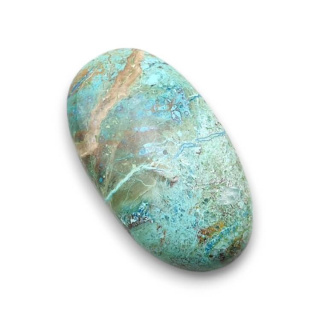
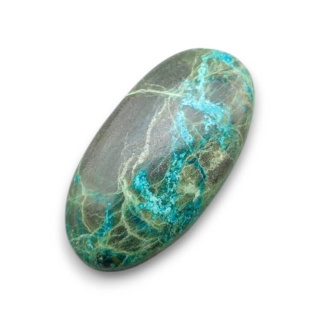
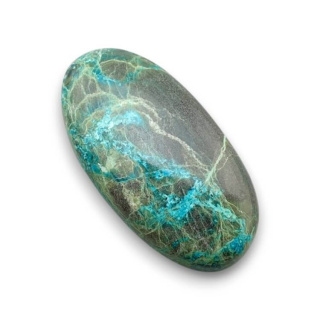
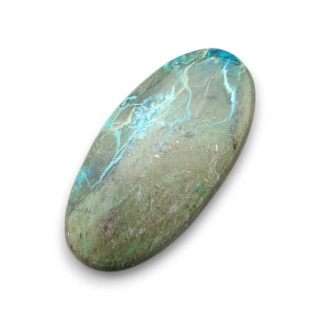
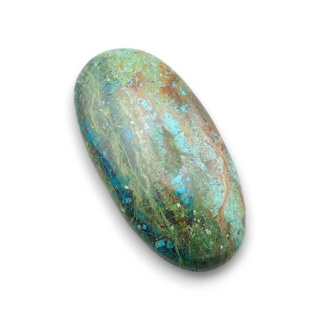
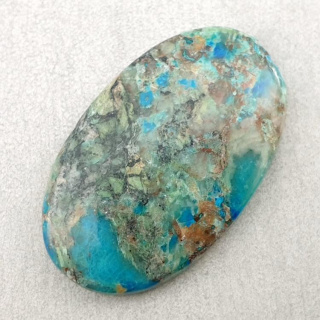
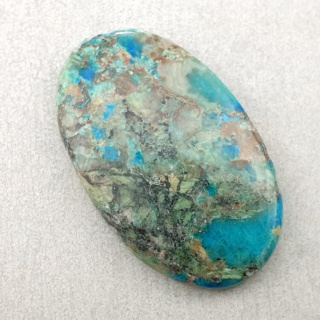
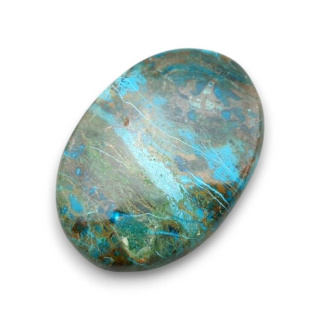
- Chrysocolla Color: The dominant color is blue-green, although it can sometimes occur in other shades of these two colors.
- Hardness: This mineral has a relatively low Mohs hardness of about 2.5 to 3.5. It is a soft mineral, which means it can be easily scratched with a sharp tool.
- Luster: Chrysocolla stone has a vitreous to greasy luster.
- Fracture: Its fracture is brittle or conchoidal.
- Cleavage: Chrysocolla often exhibits perfect cleavage, meaning it can be easily split into thin plates.
- Density: Chrysocolla typically has a density of about 2.0 to 2.4 g/cm³.
Chemical properties:
- Chemical composition: Chrysocolla is a complex chemical mineral containing copper (Cu), aluminum (Al), silicon oxide (SiO₂), hydrogen oxide (H₂O), and carbon (C). Its exact chemical composition may vary depending on the specific deposit.
- Occurrence with other minerals: Chrysocolla is often found as a secondary product in oxidation zones of copper deposits and may accompany other copper-bearing minerals such as malachite and azurite.
- Chemical reactions: Chrysocolla is sensitive to acids and may react with acids, especially sulfuric acid (H2SO4).
- Water: Chrysocolla often contains water molecules in its structure, which is characteristic of many carbonate minerals.
These physical and chemical properties make chrysocolla an interesting mineral from both a geological science perspective and for applications in jewelry and other fields.
Where does the name “chrysocolla” come from and where is it mined?
The name “chrysocolla” comes from the Greek words “chrysos,” meaning gold, and “kolla,” meaning glue. The name was given by the ancient Greeks because of the historical use of chrysocolla as a painting pigment. In the past, certain varieties of chrysocolla were used to produce green paint, which may explain the origin of the name.
As for where chrysocolla is mined, it is found in many parts of the world, especially in areas containing copper deposits and other copper minerals. Some of the most important chrysocolla mining sites are:
- Congo: Chrysocolla is mined in the Democratic Republic of Congo, especially in the Katanga region, which is a well-known area with large deposits of copper minerals.
- Chile: Chile is one of the world's leading copper producers, and chrysocolla is often mined as a by-product in the country's copper mines.
- USA: Chrysocolla is also mined in the United States, especially in the West Coast region, in places such as Arizona, New Mexico, and Utah.
- Russia: Chrysocolla can be found in Russia, especially in areas known for their copper deposits.
- Australia: Chrysocolla is also found in Australia, where it occurs in some areas associated with the mining industry.
In addition to these locations, chrysocolla is also mined in many other regions around the world where copper deposits are found. It is therefore a mineral found in many different places, which makes it available on the collector's and jewelry mineral market.
What are the uses of chrysocolla in jewelry?
Chrysocolla is used in jewelry because of its beautiful blue-green to blue-green color and attractive appearance. Here are some uses of chrysocolla in jewelry:
- Jewelry: Chrysocolla is often cut and used to make various types of jewelry, such as rings, necklaces, earrings, and bracelets. Its beautiful color and luster make it an attractive material for creating unique and colorful jewelry designs.
- Decorative stones: Chrysocolla is sometimes used as a decorative stone in jewelry designs. It can be set in silver, gold, or other precious metals to create unique and artistic designs.
- Pendant stones: Chrysocolla is a popular choice for pendants due to its color and aesthetic appeal. Chrysocolla pendants can be worn as decoration or as a form of amulet associated with certain beliefs and esoteric properties.
- Jewelry sets: Chrysocolla is often part of jewelry sets that include a necklace, earrings, and ring made from the same stone. This allows for the creation of a complete jewelry set suitable for various occasions.
- Mineral and jewelry collections: Chrysocolla is also prized by mineral and jewelry collectors. People who collect minerals or jewelry often seek out unique and rare varieties of chrysocolla for their collections.
It is worth noting that chrysocolla is a relatively soft mineral, which means that it can be susceptible to damage and scratches. Therefore, jewelry made of chrysocolla should be worn and stored with care to preserve its beauty and durability.
Are there any differences between chrysocolla and other copper-containing minerals, such as malachite or azurite?
Yes, there are differences between chrysocolla and other copper-bearing minerals such as malachite and azurite. Although all of these minerals are often found together in copper deposits, they have different physical and chemical properties and appearances, which allows them to be distinguished. Here are some of the main differences:
Color: Chrysocolla is typically blue-green to blue-green in color. This is one of its distinguishing characteristics. Malachite is typically bright green, sometimes with dark streaks or spots. Azurite is mainly blue-blue-green in color, although it can range from dark blue to light blue.
Chrysocolla chemical composition: contains copper (Cu), aluminum (Al), silicon oxide (SiO2), hydrogen oxide (H2O), and carbon (C). Malachite is a copper carbonate compound (Cu₂CO₃(OH)₂). Azurite is copper carbonate (Cu₃(CO₃)₂(OH)₂).
Hardness: Chrysocolla is relatively soft, with a Mohs hardness of 2.5 to 3.5. Malachite is slightly harder, with a hardness of 3.5 to 4. Azurite is the hardest, with a Mohs hardness of 3.5 to 4.
Fracture: Chrysocolla: has a brittle or conchoidal fracture, Malachite: has a conchoidal to uneven fracture, and Azurite has an uneven to conchoidal fracture.
Crystallographic pattern: Chrysocolla: has no specific crystal pattern, it is an amorphous or crystalline mineral. Malachite has a crystalline structure and can form beautiful needle-like or grain-like crystals. Azurite also has a crystalline structure and can form beautiful, sharp crystals.
Does chrysocolla have any significance in esotericism or folk beliefs?
Yes, chrysocolla has some significance and energy in esotericism and in some folk beliefs. However, it is worth noting that these interpretations are subjective and have no scientific basis. Here are some ways in which chrysocolla is attributed certain properties in esotericism:
- Stone of communication: Chrysocolla is often considered a stone that aids communication. In esoteric beliefs, it is associated with the expression of thoughts, feelings, and emotions. People believe that wearing chrysocolla jewelry can help improve interpersonal communication and self-expression.
- Strengthening intuition: Some people believe that the use of chrysocolla stones can strengthen intuition and help in understanding one's inner feelings and making wise decisions.
- Emotional balance: The stone helps maintain emotional balance. It is said to be a stone that helps manage stress and reduce negative emotions.
- Protective stone: In some folk beliefs, chrysocolla is considered a protective stone that repels negative energies and influences.
- Raising vibrations: Chrysocolla is sometimes seen as a stone that raises the vibrations of the spirit and aids in spiritual growth.
It is worth noting that these properties attributed to chrysocolla are often subjective and based on esoteric beliefs and traditions. There is no scientific evidence that this mineral has any real ability to influence human emotions or communication skills.
The use of chrysocolla stones in the production of ceramics or sculptures
Chrysocolla is a relatively soft mineral, which means that it is less suitable for the production of ceramics and sculptures compared to harder minerals. However, in some cases, it can be used as a decorative element in ceramics or sculptures due to its beautiful color and unique appearance. Here are some ways chrysocolla can be used in these areas:
- Inlays and details: Chrysocolla can be used to inlay ceramics or sculptures as a decorative element. It can add color and visual effect to finished works of art.
- Combination with other materials: Chrysocolla can be combined with other materials such as wood, metal, or gemstones to create unique and artistic works. This combination of different materials can create contrasts and interesting textures.
- Jewelry designs: Some jewelers may use smaller pieces of chrysocolla in their jewelry designs, incorporating them into metal frames, for example. This is more common than the use of chrysocolla in ceramics or sculptures.
- Artistic experiments: Artists and craftspeople may experiment with chrysocolla, trying different techniques and ways of integrating it into their work.
Although chrysocolla is not a typical material for ceramics or sculptures due to its softness, it can be an interesting addition to some artistic projects, especially those that focus on color and decoration.