![[{[item.product.name]}]]([{[item.product.photo.url]}] 75w)
Do bezpłatnej dostawy brakuje: -,--
Podsumowanie zamówienia
Suma 0 zł
Cena uwzględnia rabaty

Opal - rodzina kamieni szlachetnych
Liczba produktów: 897Opal jest najbardziej znanym naturalnym kryształem fotonicznym.
Niektóre odmiany opalu wykazują charakterystyczne zjawiska optyczne: opalizację, opalescencję, efekt kociego oka, asteryzm.
Ze względu na obecność lub brak efektów optycznych opale dzielimy na: opale szlachetne i opale zwyczajne (półszlachetne).
Opal charakteryzuje się mnogością barw i odmian, z których w jubilerstwie największym powodzeniem cieszy się opal szlachetny.


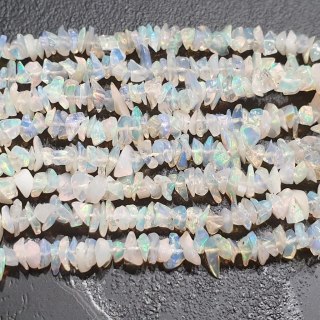
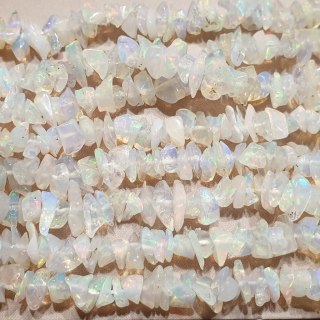
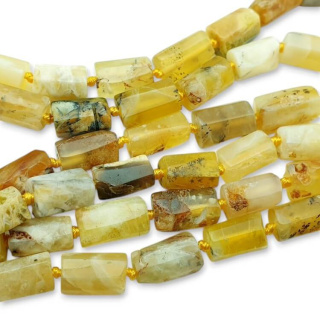
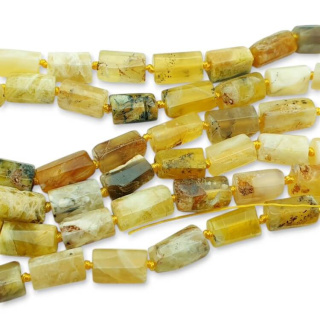
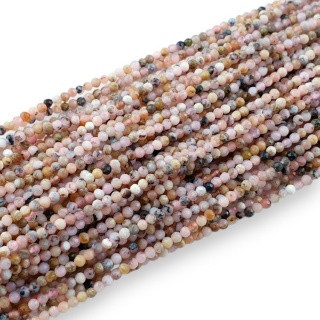
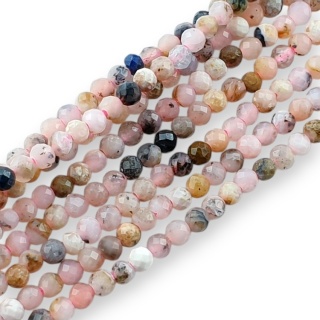
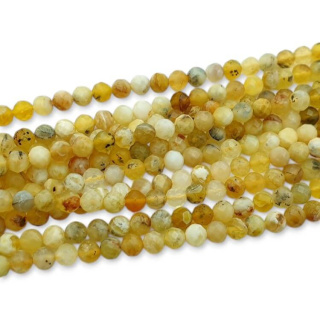
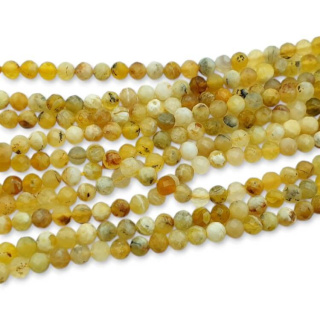



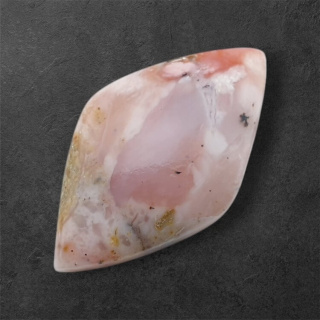
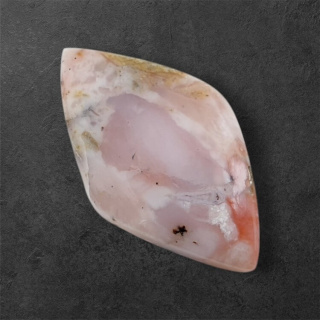
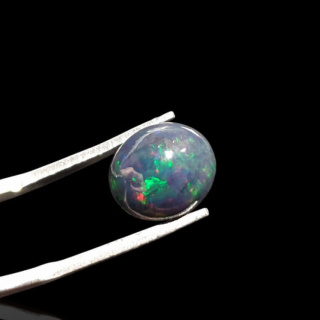
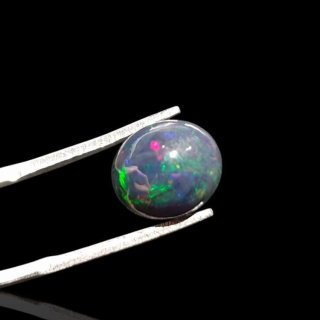
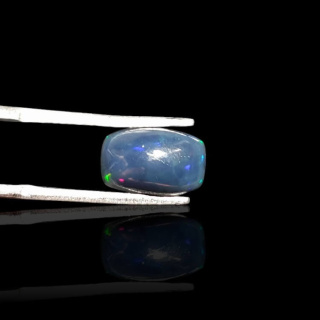
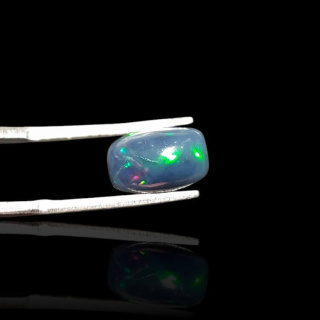
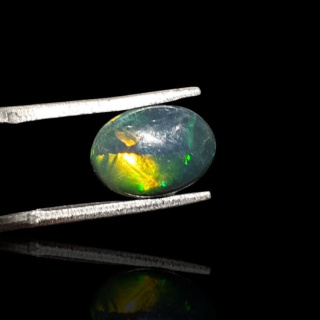
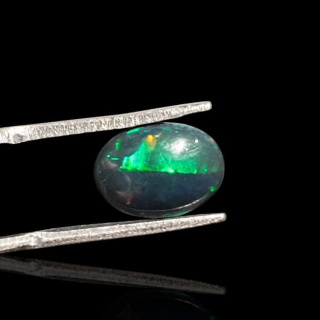

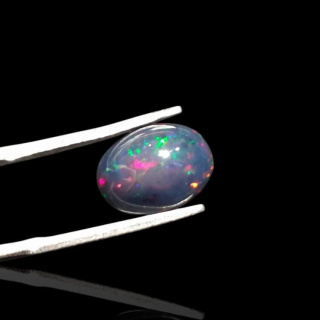
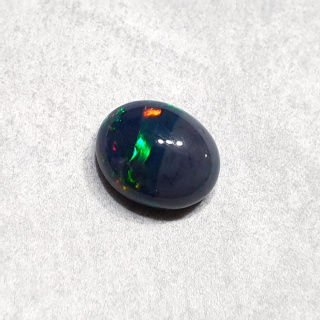
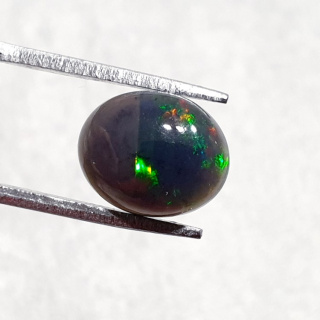
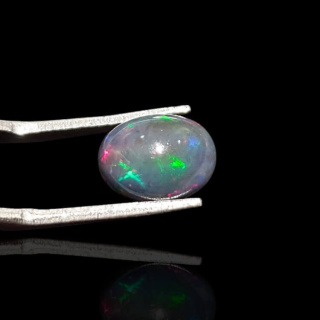


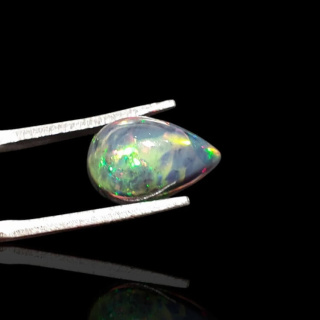
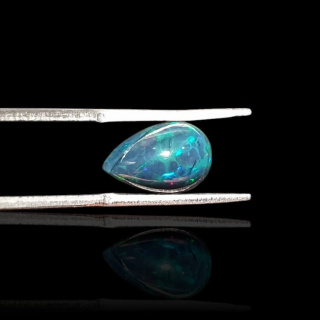
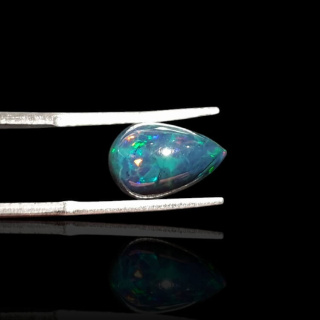
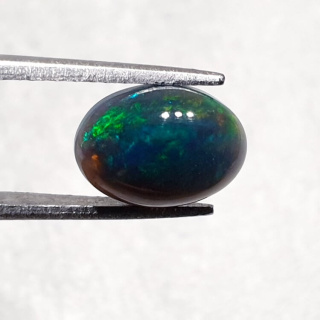
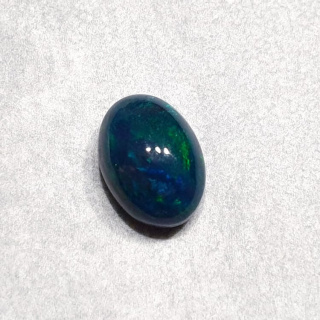
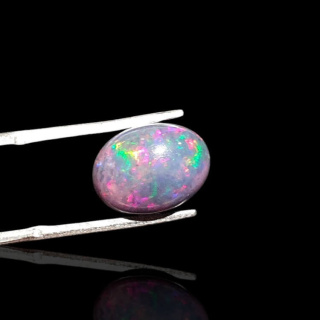
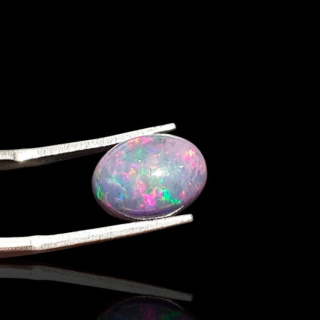
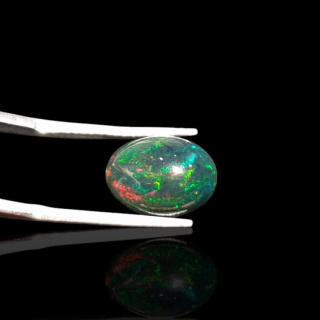
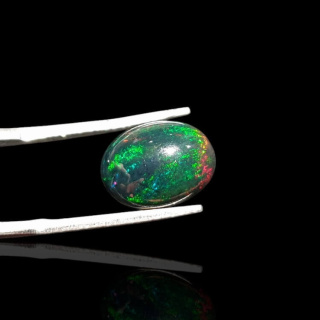
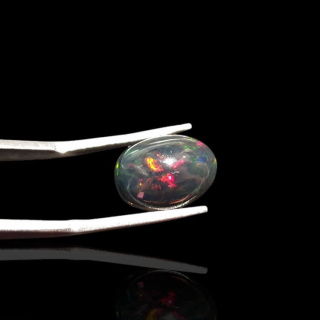
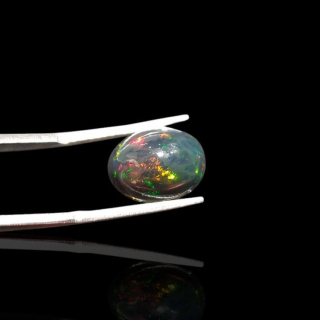
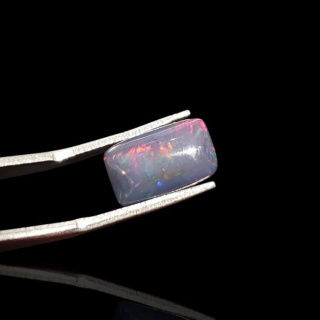
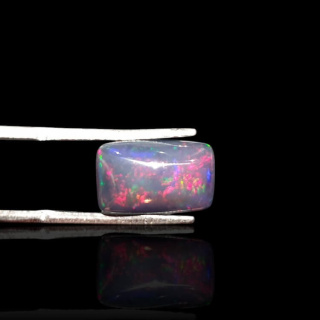
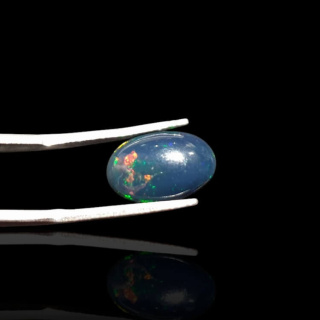
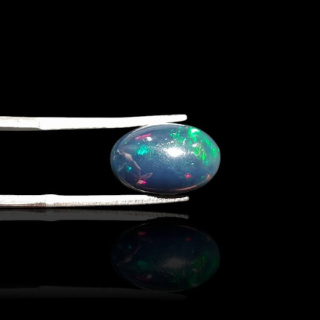
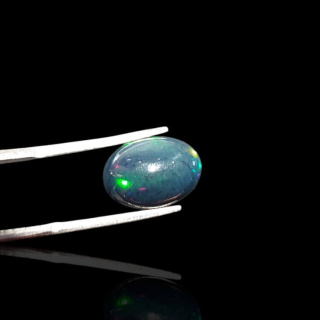
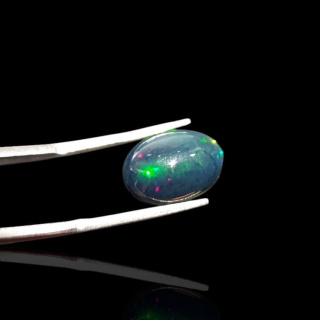
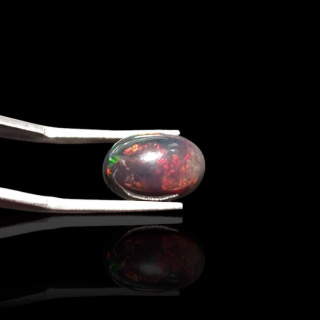
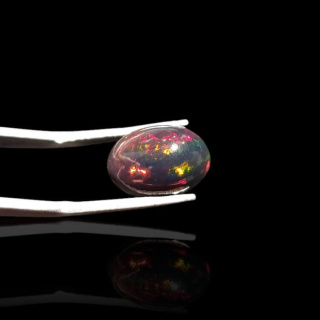
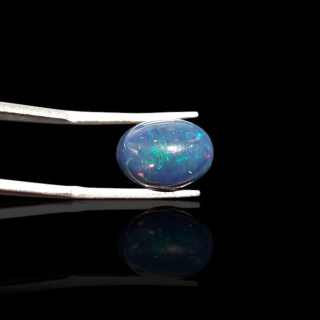
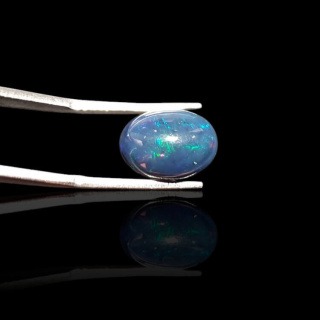
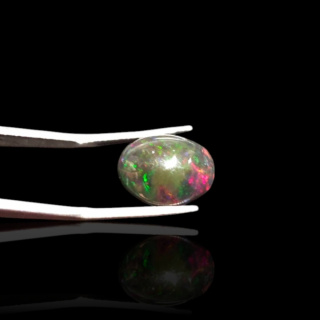
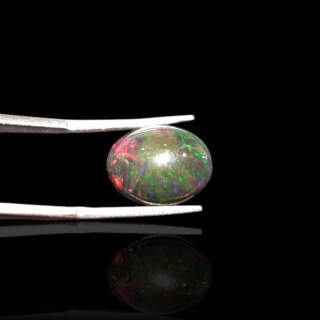
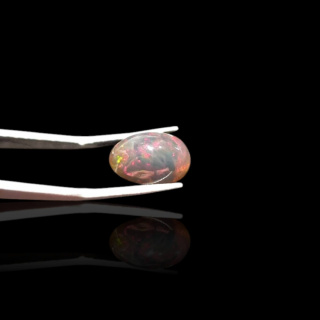
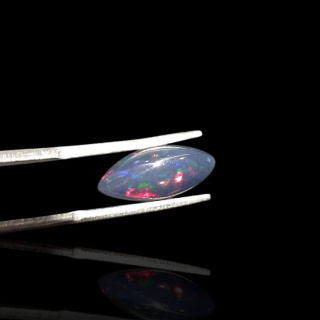
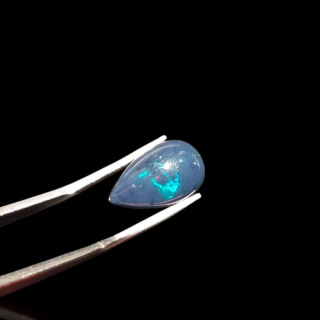

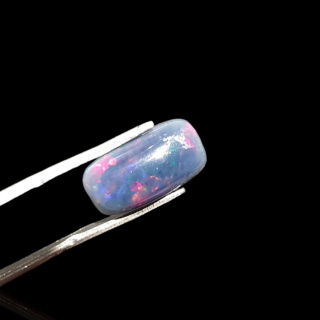
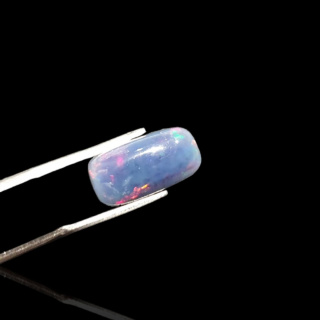
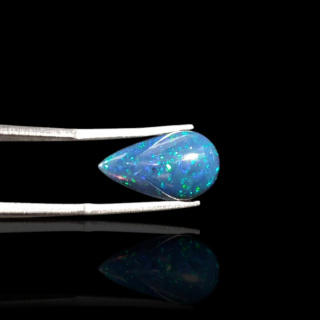
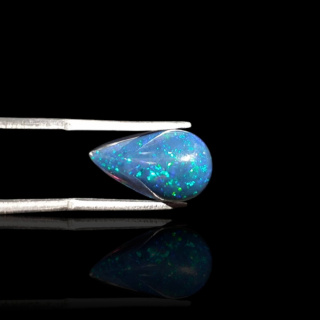
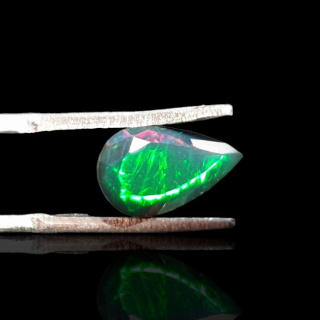
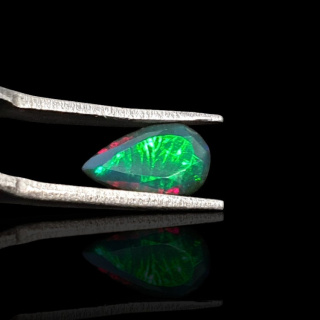
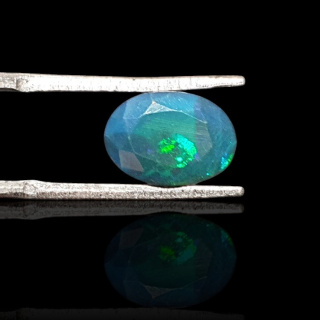
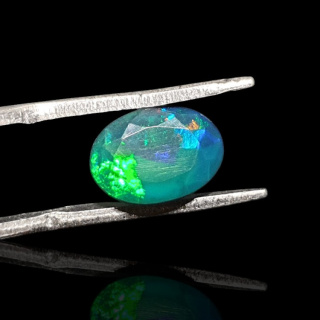
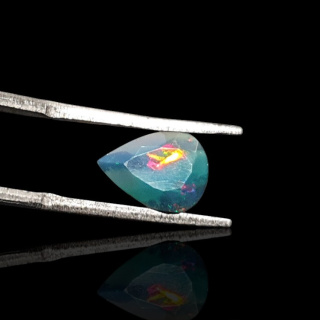
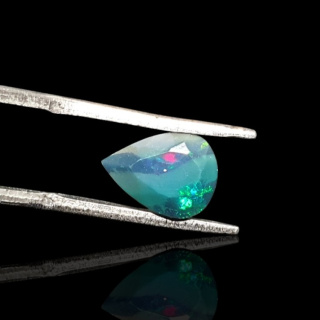
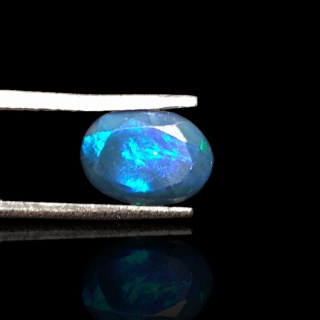
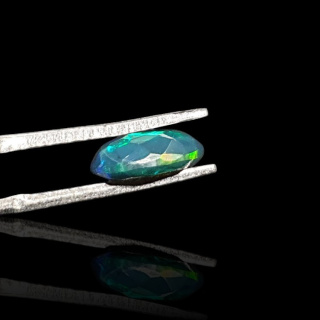
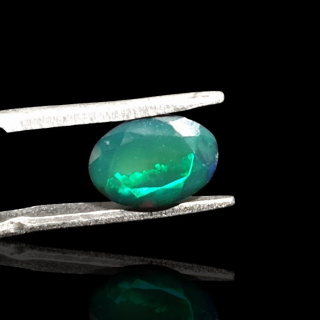
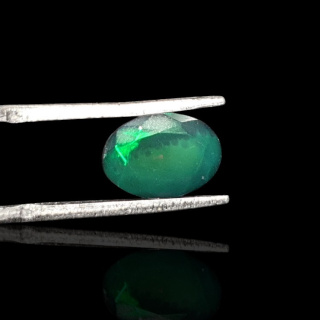
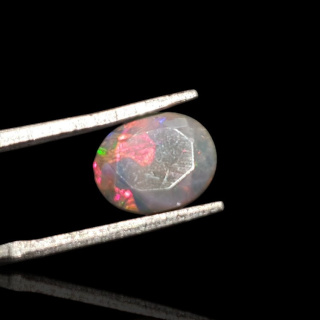
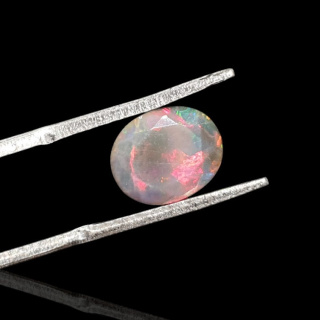
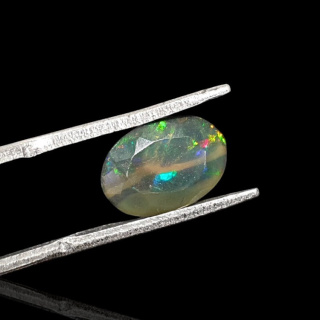
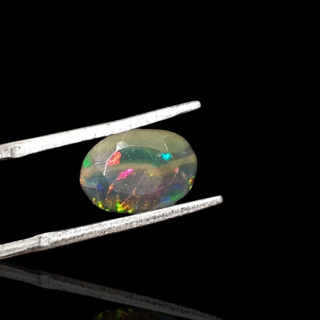
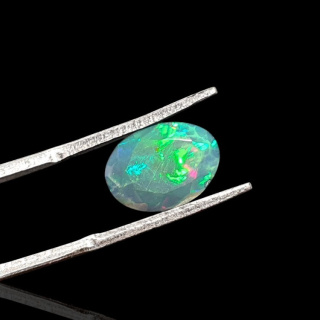
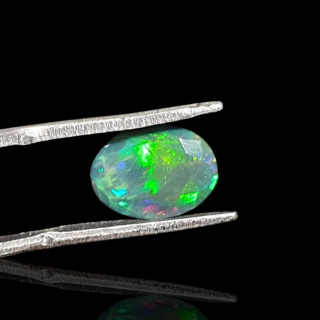
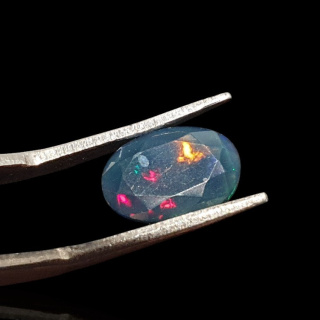
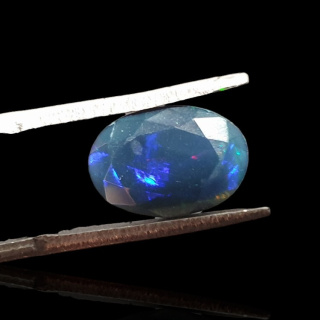
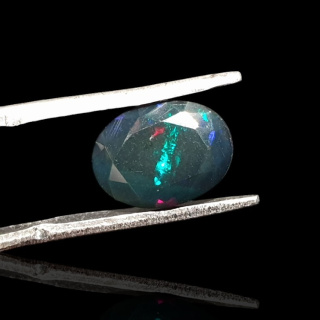
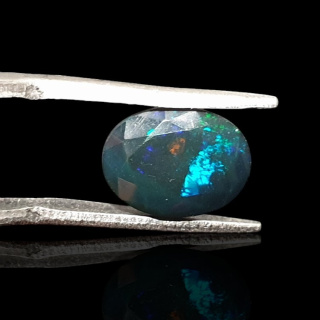
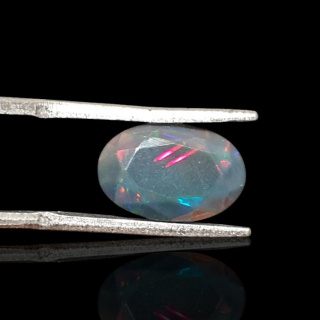
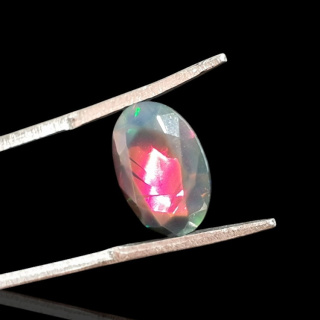
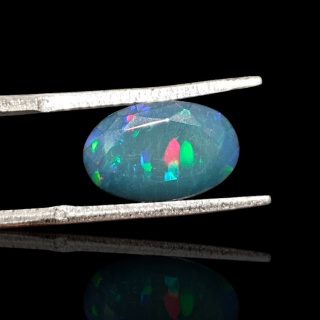
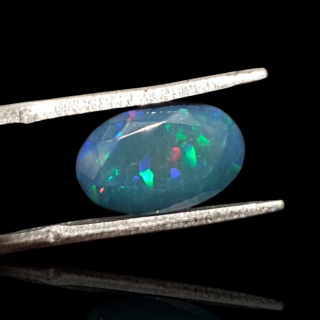
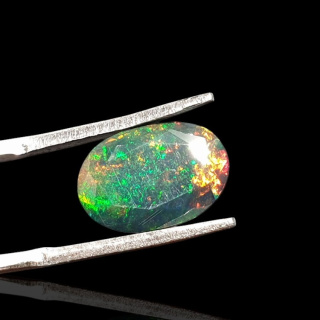
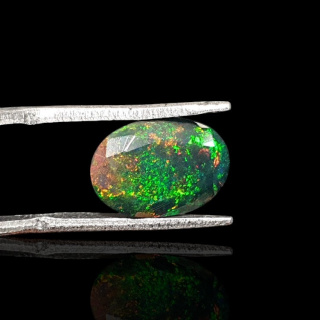
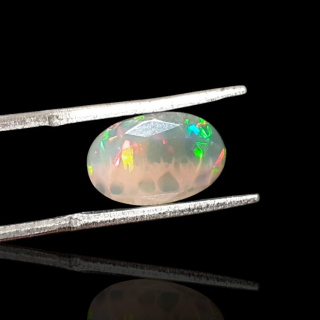
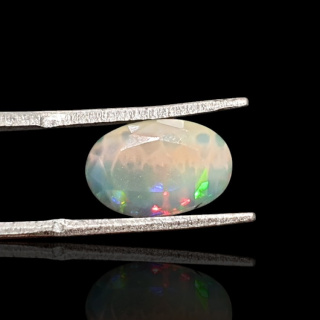
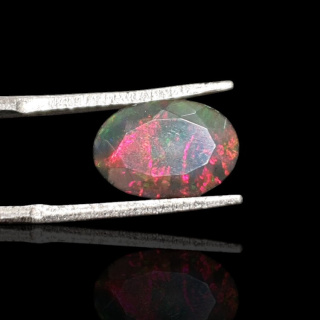
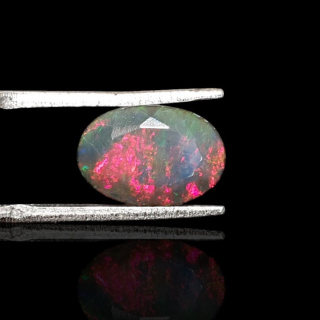
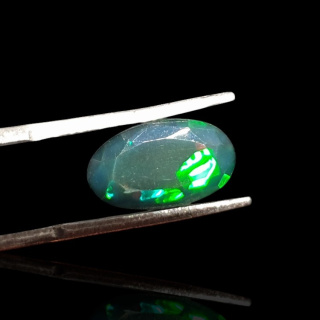
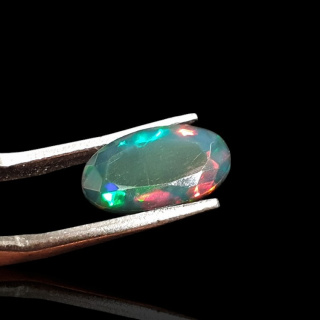
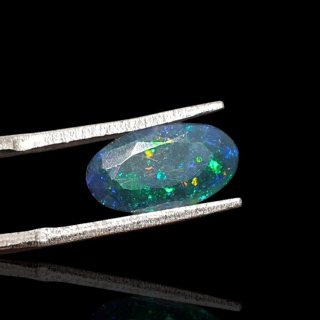
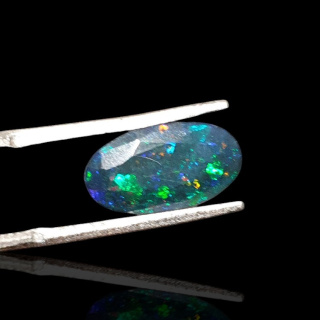
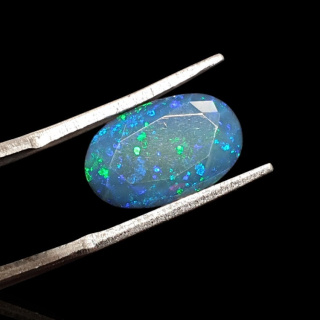
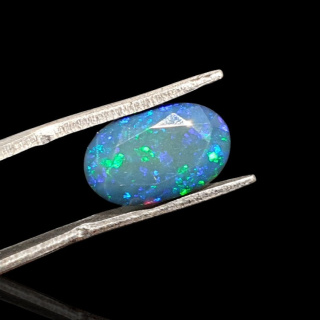
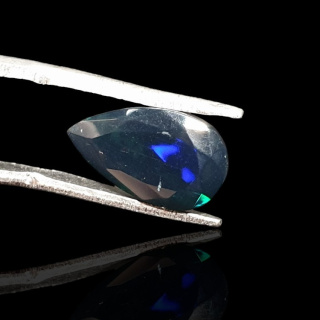
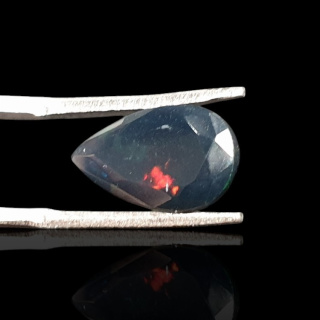
Opal - Tajemniczy kamień szlachetny o wyjątkowych walorach wizualnych
Opal to jedno z najbardziej fascynujących odkryć w świecie kamieni szlachetnych. Jego niepowtarzalne cechy i piękno sprawiają, że jest on jednym z najbardziej pożądanych kamieni przez kolekcjonerów i miłośników biżuterii. Jeśli chcesz poznać więcej na temat opalu, zapraszamy do lektury tego artykułu.
Opal - co to za kamień?
Opal jest minerałem z grupy krzemianów. Charakteryzuje go unikalna struktura mikrokrzemionkowa, która powoduje, że kamień wykazuje efekt opalizacji, czyli migotania i przejścia różnych kolorów w zależności od kąta patrzenia. Jest to właśnie ta niezwykła właściwość, która nadaje opalowi jego charakterystyczny urok.
Krótka historia opali
Skąd wzięła się nazwa ,,opal”? Nazwa "opal" pochodzi od łacińskiego słowa "opalus" oraz staroindyjskiego słowa "upala", co oznacza "kamień piękności". Ta nazwa doskonale oddaje magię i wyjątkowość tego kamienia.
Opal ma długą historię, sięgającą tysiącleci. Pierwsze ślady wykorzystania opalu sięgają czasów starożytnych, gdzie był ceniony przez starożytnych Rzymian, Greków i Egipcjan. Wielu ludów uważało go za kamień pełen mocy i tajemniczych właściwości. Opal był uważany za symbol wierności i nadziei oraz kamień ochronny przed złymi duchami.
Skąd pochodzą Opale?
Opale są wydobywane na różnych kontynentach, w tym w Australii, Meksyku, Brazylii, Etiopii i Stanach Zjednoczonych. Każdy obszar wydobycia ma swoje unikalne cechy, a opale z różnych lokalizacji mogą różnić się pod względem koloru, klarowności i innych właściwości.
W jaki sposób powstaje opal kamień naturalny?
Opal powstaje w wyniku procesów geologicznych, które związane są z wodą. Powstaje, gdy woda przenika przez skałę i pozostawia po sobie żele lub inkrustacje krzemionki. W wyniku procesu odparowywania wody, krzemionka osadza się w pustych przestrzeniach, tworząc trójwymiarowe struktury mikrokrzemionkowe, które odpowiadają za efekt opalizacji.
Jak wygląda kamień opal naturalny?
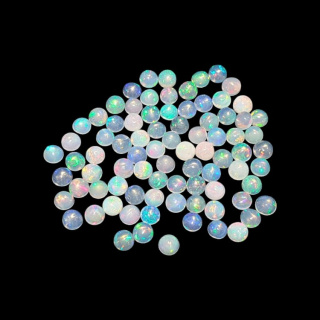
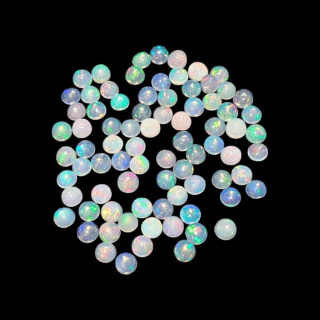
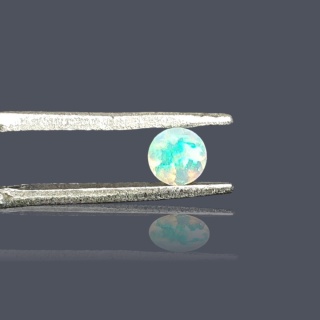
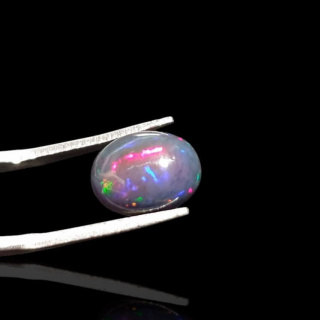
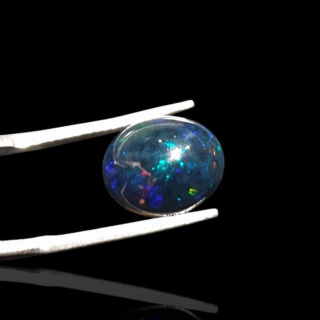
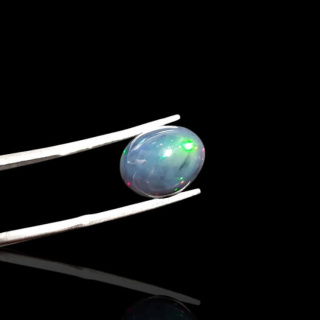
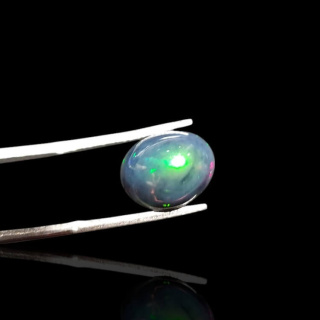
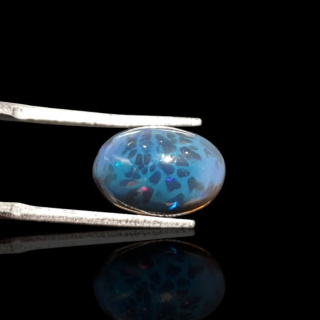
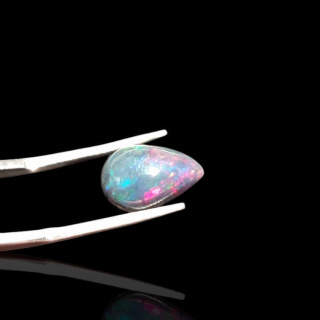
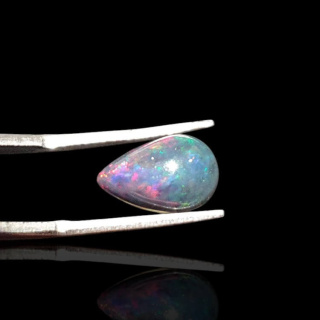
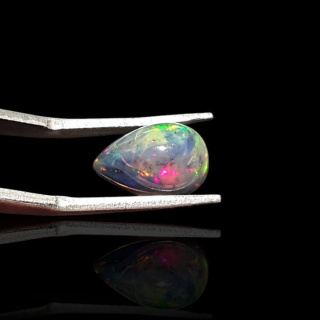
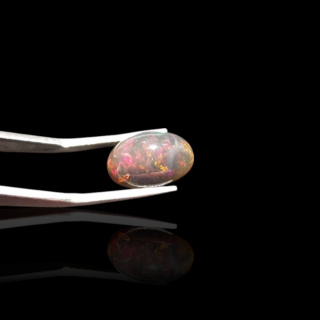
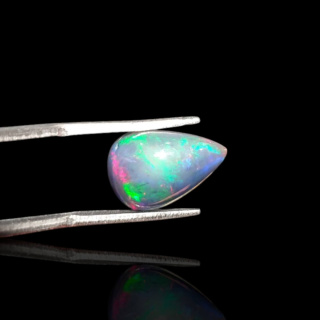
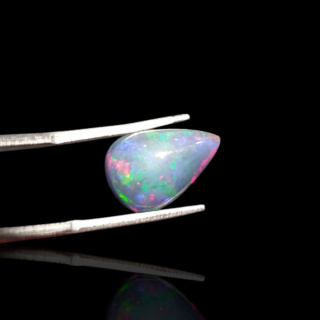
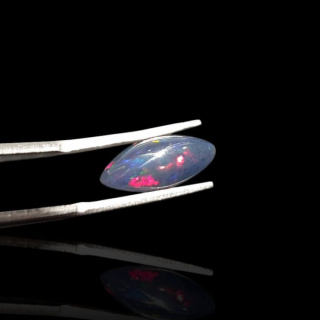
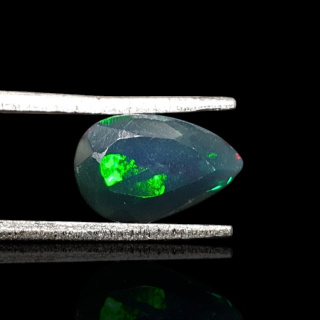
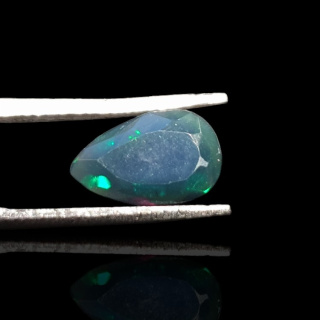
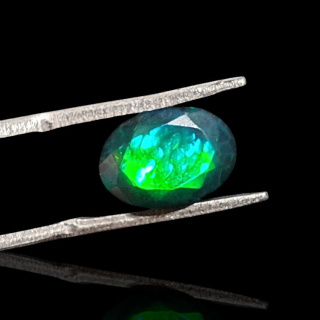
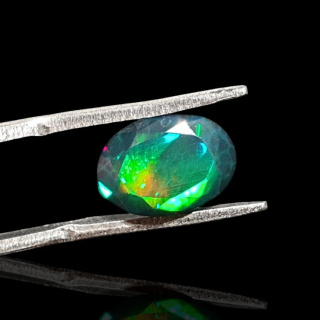
Cechy charakterystyczne, walory wizualne, kształt i kolor Opal jest niezwykle zróżnicowany pod względem wyglądu i cech. Może występować w różnych kształtach i rozmiarach, zarówno w postaci pojedynczych kamieni, jak i w formie kaboszonów. Jego unikalność tkwi w efekcie opalizacji, który powoduje, że kamień migocze różnymi kolorami, takimi jak błękit, zielony, czerwony, żółty i fioletowy. Opal często posiada również charakterystyczne wzory, takie jak plamy, smugi lub oczka.
Jakie są magiczne właściwości opalu?
Opal posiada wiele przypisywanych mu magicznych właściwości. Wierzono, że kamień ten przynosi szczęście, inspirację i kreatywność. Uważano również, że ma on moc ochronną i potrafi zwiększać intuicję. Opal był ceniony jako kamień harmonii i równowagi.
Jakie zastosowanie ma opal naturalny?
Opal jest szeroko stosowany w jubilerstwie i tworzeniu biżuterii. Kamienie te wykorzystuje się do wyrobu pierścionków, kolczyków, naszyjników oraz innych unikatowych dzieł ręcznie wykonanej biżuterii. Ponadto, ze względu na swoje magiczne właściwości, opal często jest stosowany w praktykach medytacyjnych i terapeutycznych.
Co wpływa na cenę kamienia opalu?
Cena kamienia opalu zależy od wielu czynników. Do najważniejszych z nich należą jakość kamienia, jego waga, klarowność, kolor, efekt opalizacji oraz rzadkość danej odmiany. Im lepsze cechy i większa unikalność, tym wyższa cena.
Jakiego rodzaju opale możemy wyróżnić?
Rodzaje opali można podzielić na kilka kategorii, zależnie od ich cech i pochodzenia. Wyróżniamy między innymi opale szlachetne (australijski, etiopski), opale białe, czarne, ogniste, mleczne i dendrytyczne. Każdy z tych rodzajów ma swoje unikalne właściwości i wygląd.
- Opal z Etiopii (opal etiopski | opal welo) - Jest to odmiana opalu pochodząca z Etiopii. Opal etiopski charakteryzuje się intensywnymi kolorami, w tym złotymi, czerwonymi, zielonymi i niebieskimi. Często występuje w postaci kamieni szlachetnych o pięknych wzorach i efektach świetlnych, takich jak opalescencja i iryzacja.
- opal ognisty - Jest to odmiana opalu charakteryzująca się intensywnymi czerwonymi, pomarańczowymi i żółtymi odcieniami. Nazwa "ognisty" pochodzi od płomienistego wyglądu, który może przywoływać skojarzenia z płonącym ogniem. Ten rodzaj opalu jest ceniony ze względu na swoje żywe barwy i efekt opalescencji. Opale ogniste pochodzą najczęściej z Australii i Etiopii.
- Opal zielony - Jest to odmiana opalu, która wykazuje dominujące odcienie zieleni. Może mieć różne odcienie zielonego, takie jak jasnozielony, butelkowa zieleń, szmaragdowy lub żółtozielony. Opal zielony często wykazuje efekt migotania i iryzacji, dodając mu unikalnego uroku.
- Niebieski opal - Jest to odmiana opalu, która ma dominujący kolor niebieski. Może mieć różne odcienie niebieskiego, takie jak jasnoniebieski, turkusowy, niebiesko-fioletowy lub niebiesko-zielony. Niebieski opal jest ceniony ze względu na swoje eleganckie barwy i efekt opalescencji.
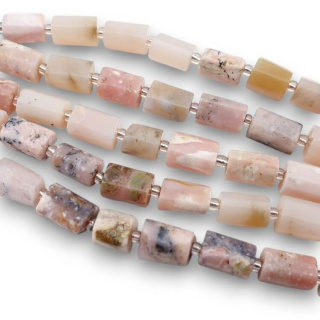
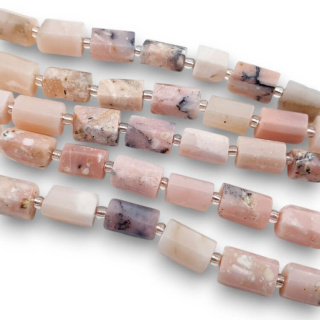
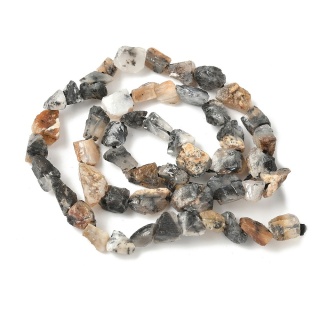
- Opal dendrytowy - Jest to odmiana opalu, która zawiera charakterystyczne, dendrytyczne wtrącenia. Dendryty to wzory przypominające rośliny lub gałęzie, które powstają w wyniku inkrustacji minerałów wewnątrz opalu. Opal dendrytowy często wykazuje kombinację różnych barw, a dendryty nadają mu unikalny wzór.
Co poza opalem warto wybrać z oferty naszego sklepu?
Nasz sklep fusima.pl to raj dla szukających kamieni naturalnych. Naszą domeną są kaboszony, koraliki i elementy do biżuterii. Z naszej przebogatej oferty polecamy:
labradoryty malachity agaty jaspisy lapis lazuli kamień księżycowy i wiele wiele innych produktów.
Podsumowując
Opal to kamień o niezwykłej urodzie i bogatej historii. Jego opalizujący efekt i różnorodne kolory sprawiają, że jest to unikalny kamień szlachetny. Niezależnie od tego, czy interesujesz się kamieniami szlachetnymi z punktu widzenia kolekcjonerskiego, czy poszukujesz biżuterii, opal z pewnością przypadnie Ci do gustu ze względu na swoje wyjątkowe walory wizualne i magiczne właściwości.