![[{[item.product.name]}]]([{[item.product.photo.url]}] 75w)
Do bezpłatnej dostawy brakuje: -,--
Podsumowanie zamówienia
Suma 0 zł
Cena uwzględnia rabaty

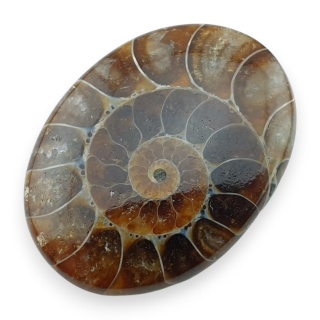
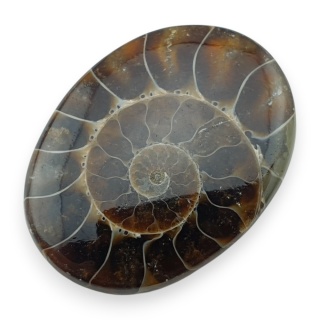
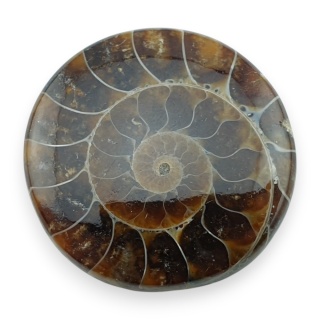
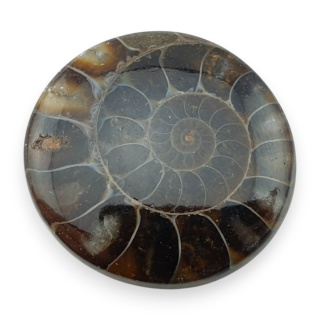
Amonit – naturalna skamieniałość o spiralnej strukturze
Liczba produktów: 99Czym jest amonit?
Amonit to wymarły morski głowonóg z podgromady Ammonoidea, żyjący od dewonu do końca kredy, czyli od około 400 do 66 milionów lat temu. Jego charakterystyczna spiralna muszla stanowi dziś jedną z najbardziej rozpoznawalnych i cenionych skamieniałości na świecie.
Skamieniałości amonitów są zbudowane głównie z aragonitu (CaCO3), który w procesach diagenezy często ulegał przeobrażeniom w kalcyt. W wielu okazach zachowały się struktury komór (przegrody – septa), świadczące o biologicznej funkcji regulacji pływalności.


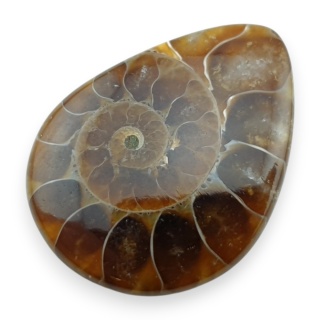

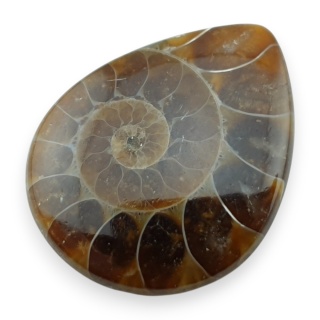


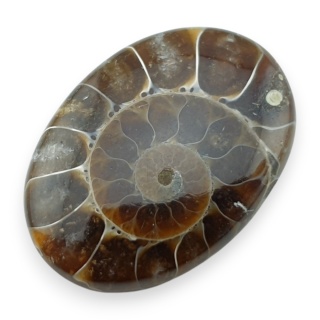


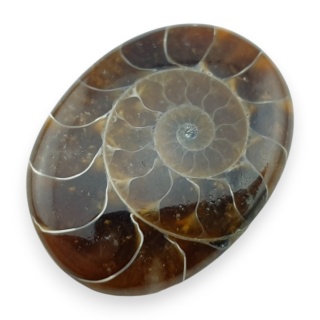

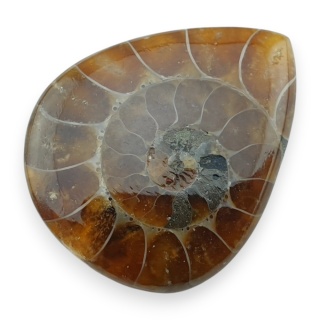


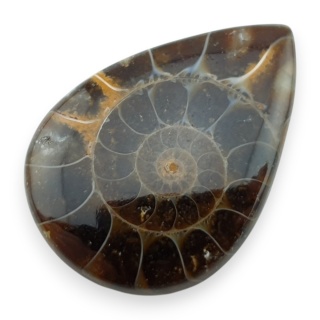


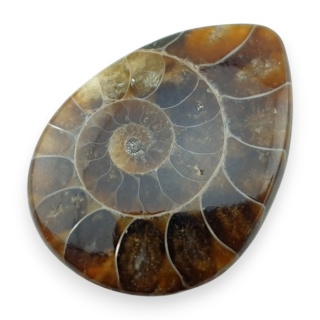


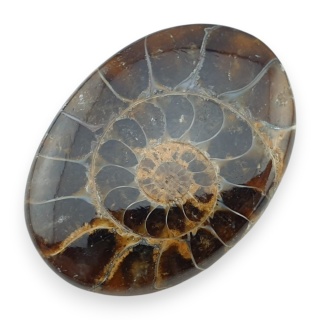







Pochodzenie i występowanie amonitów
Skamieniałości amonitów występują na niemal wszystkich kontynentach. Najbardziej znane lokalizacje obejmują:
- Maroko – bogate złoża kredowe i jurajskie,
- Madagaskar – duże, efektowne okazy o wysokiej estetyce,
- Niemcy i Francję – klasyczne stanowiska paleontologiczne,
- Kanadę – amonity z zachowanym opalizującym aragonitem (ammolit).
Zastosowanie amonitów
Amonity znajdują zastosowanie w kilku obszarach:
- jubilerstwo artystyczne – kaboszony i elementy ozdobne,
- kolekcjonerstwo i paleontologia amatorska,
- edukacja geologiczna i muzealna,
- aranżacje wnętrz i dekoracje naturalne.
Właściwości i klasyfikacja naukowa
Z punktu widzenia geologii amonity są skamieniałościami przewodnimi, wykorzystywanymi do datowania warstw osadowych metodą biostratygraficzną. Ich szybka ewolucja i szeroki zasięg geograficzny czynią je kluczowym narzędziem w badaniach stratygraficznych mezozoiku.