![[{[item.product.name]}]]([{[item.product.photo.url]}] 75w)
Do bezpłatnej dostawy brakuje: -,--
Podsumowanie zamówienia
Suma 0 zł
Cena uwzględnia rabaty

Cytryn - Sklep online z różnymi naturalnymi rodzajami cytrynów
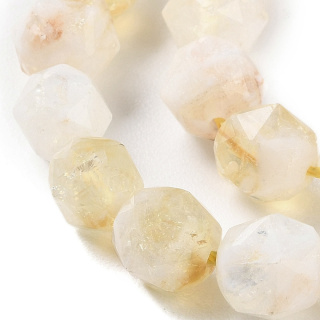
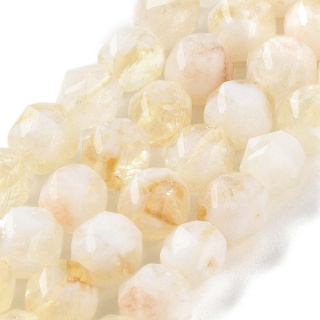
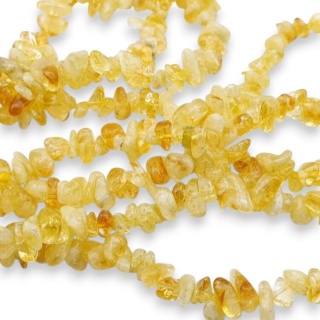
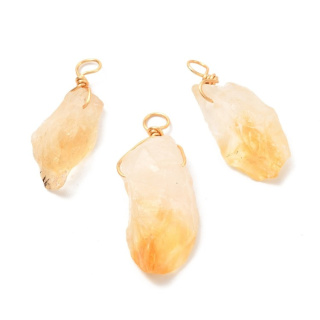
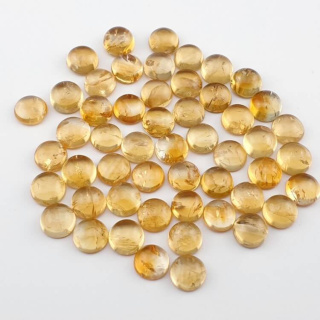
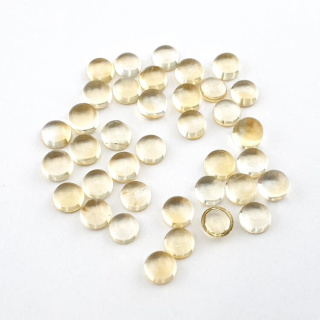
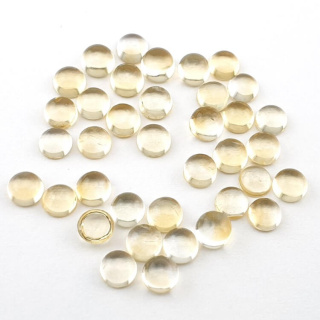
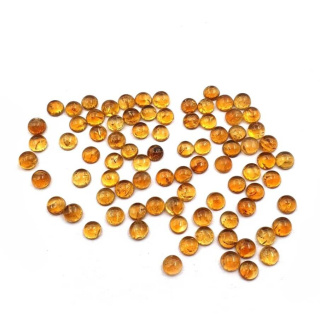
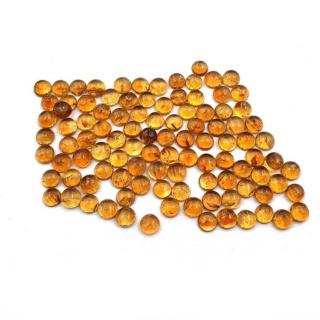
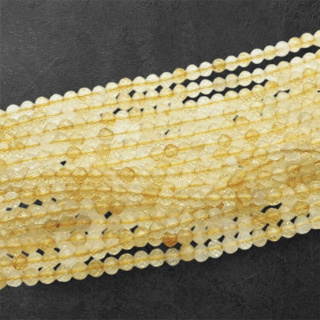
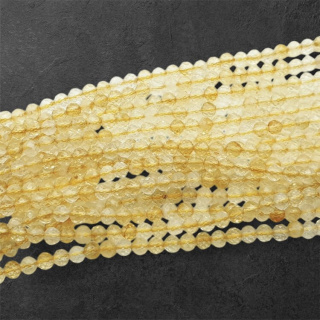
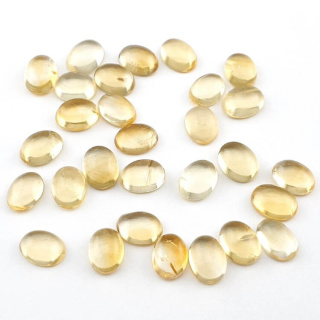
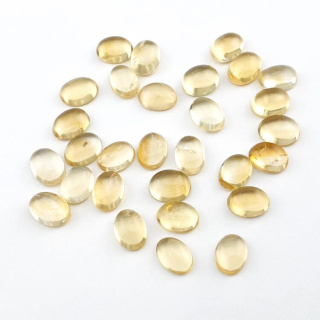
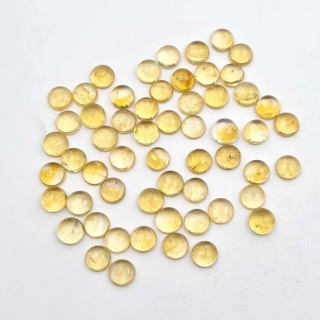
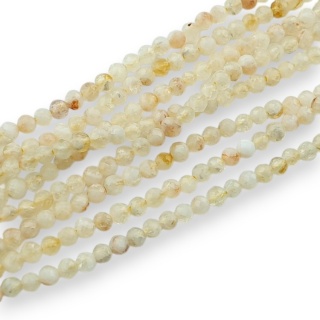
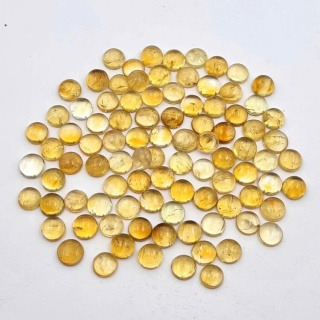
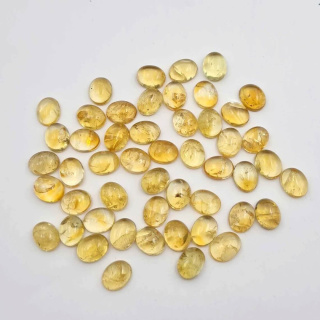
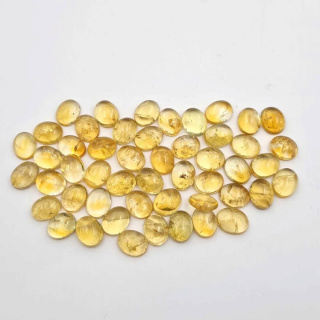
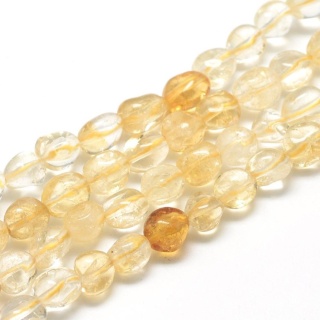
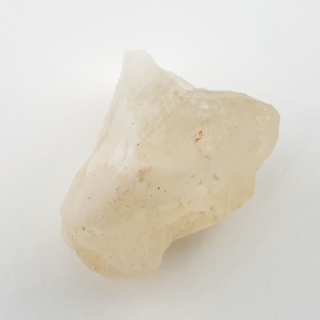
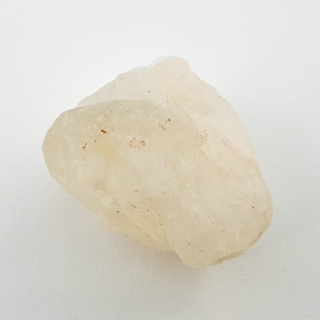
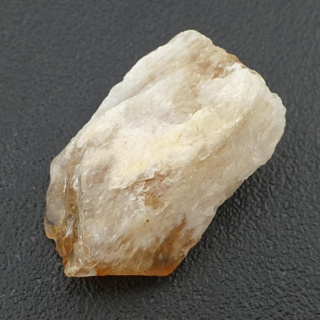
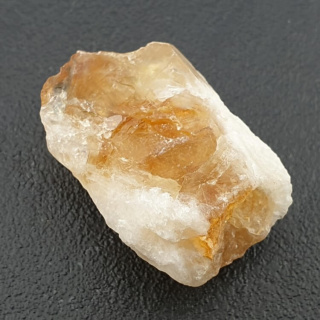
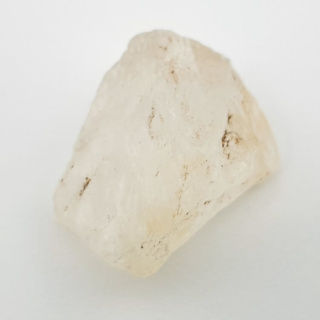
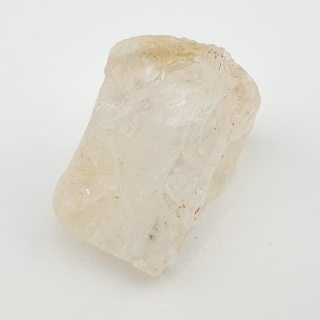
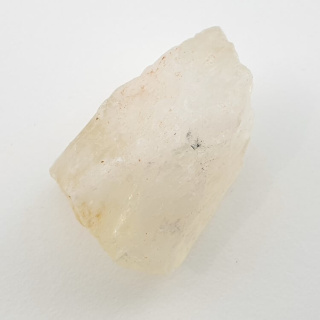
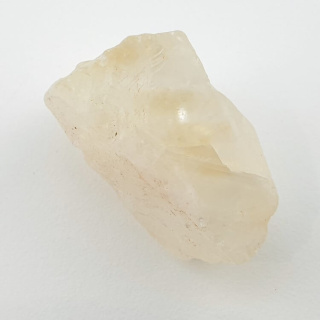
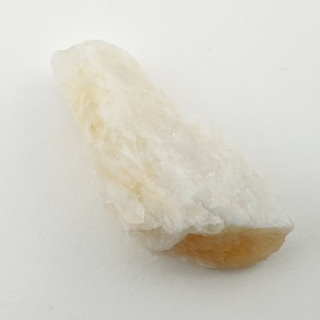
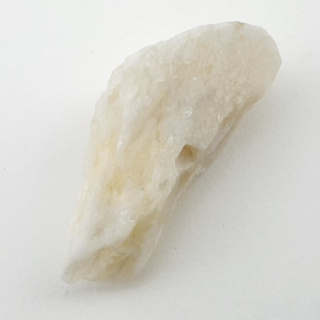
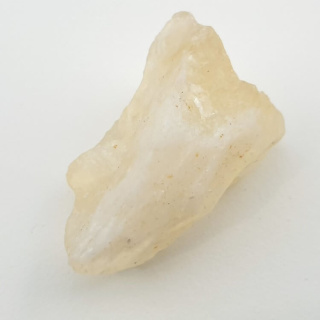
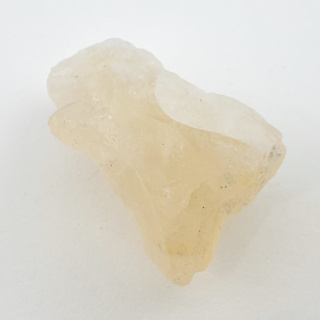
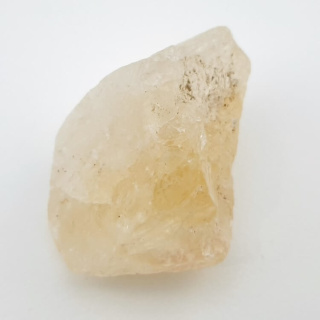
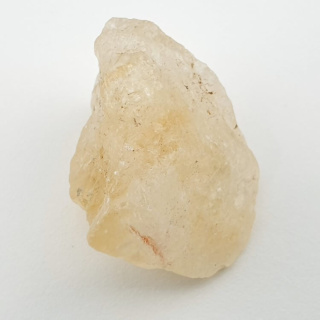
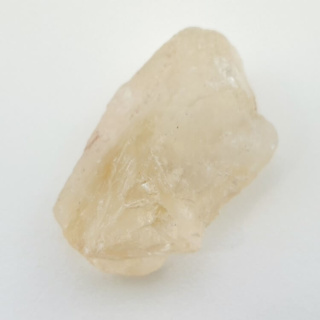
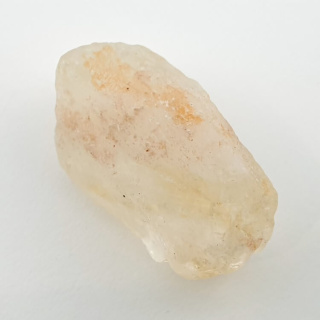
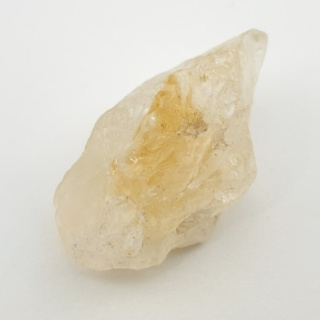
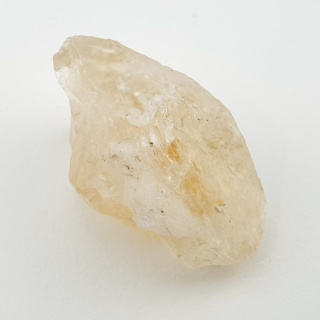
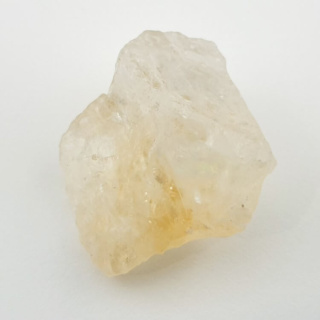
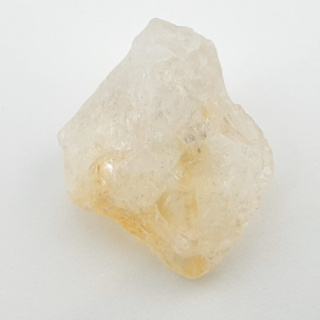
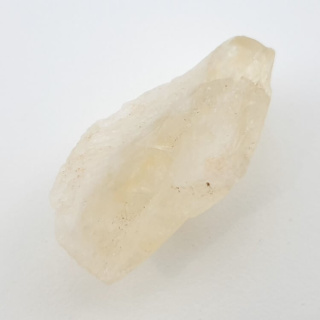
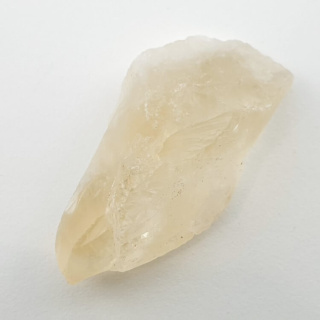
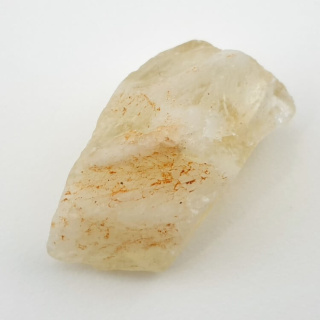
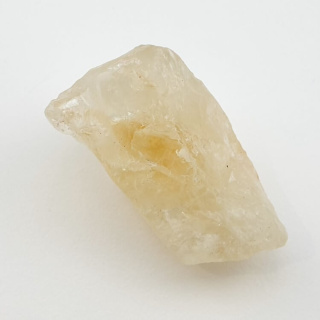
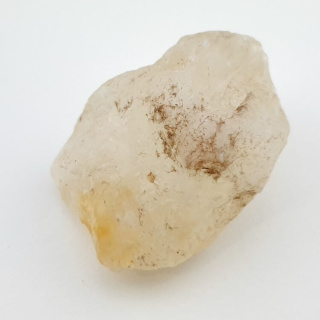
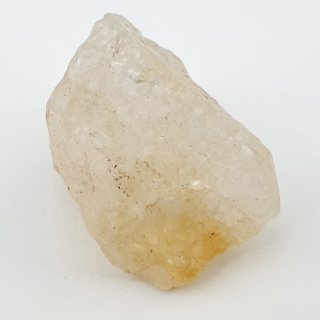
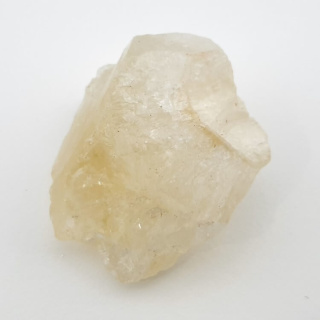
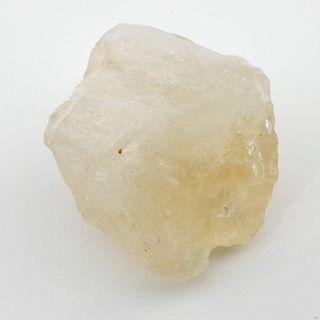
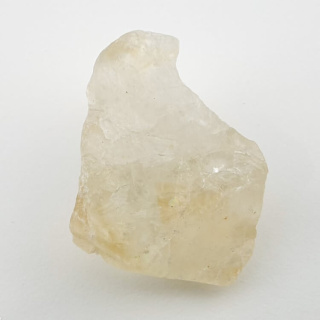
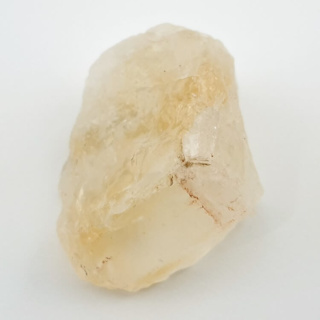
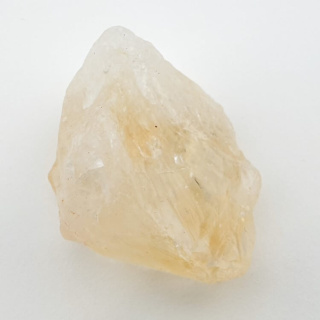
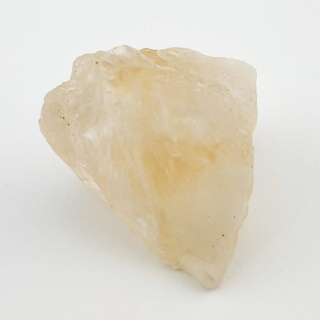
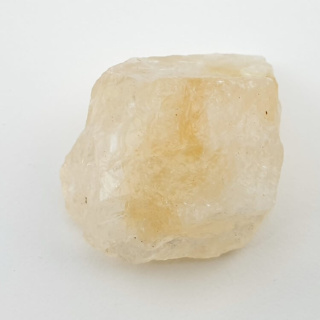
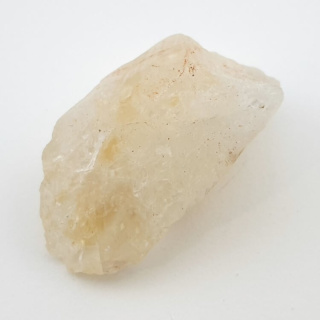
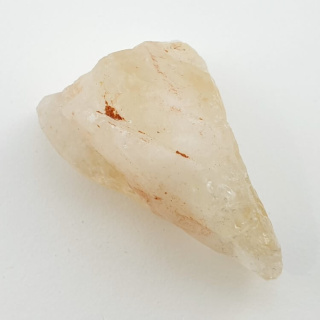
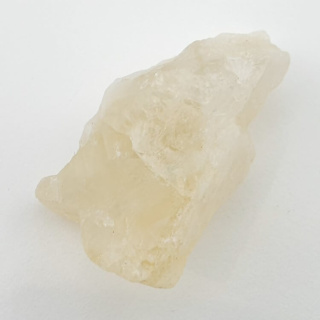
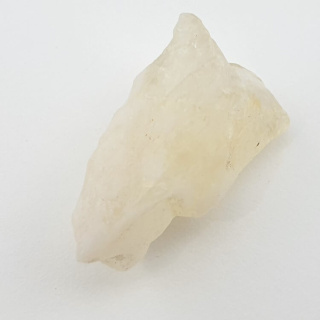
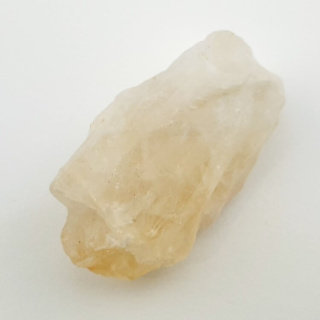
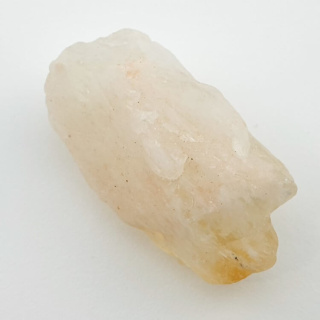
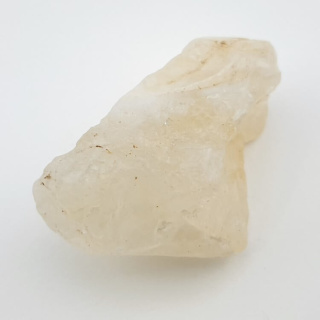
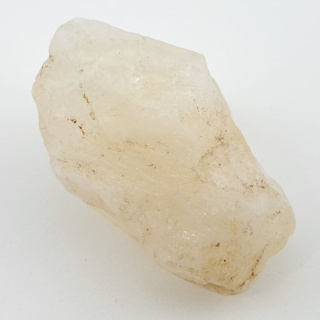
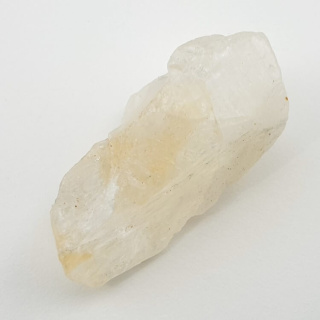
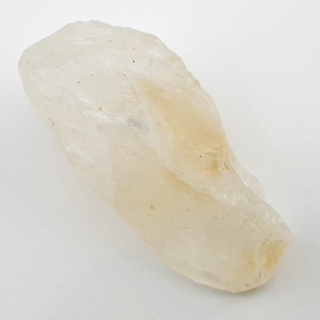
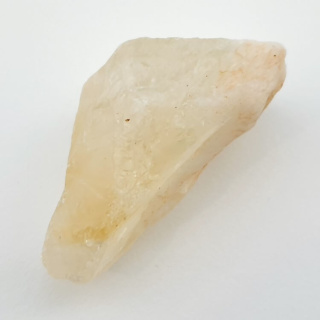
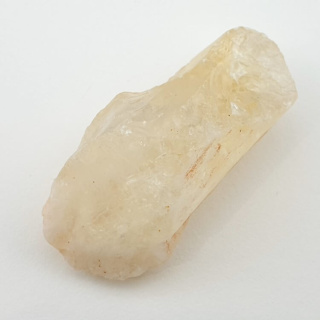
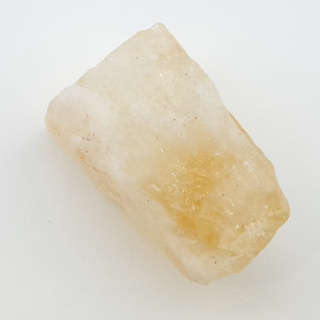
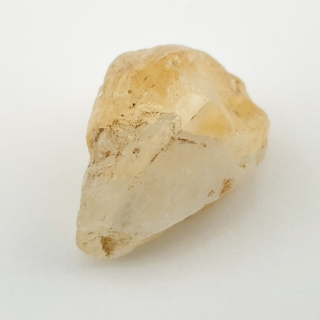
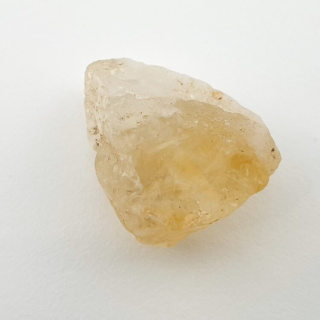
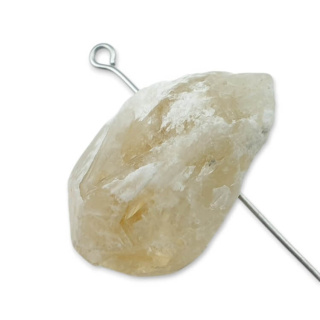
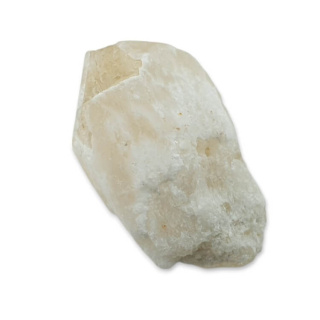
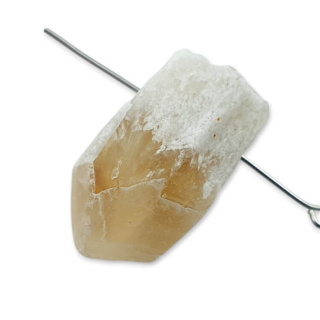
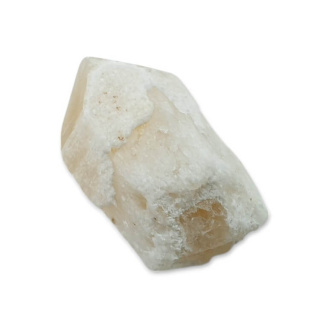
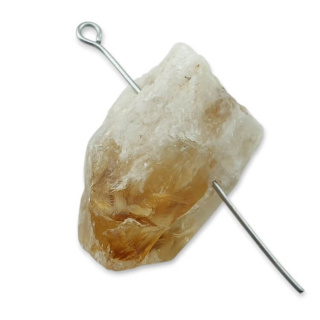
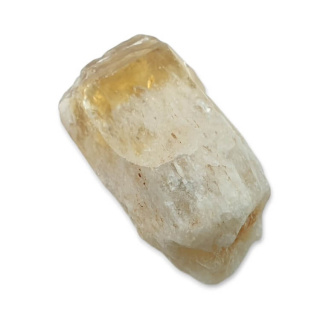
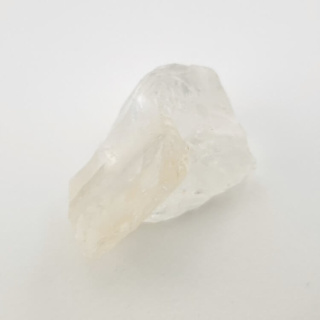
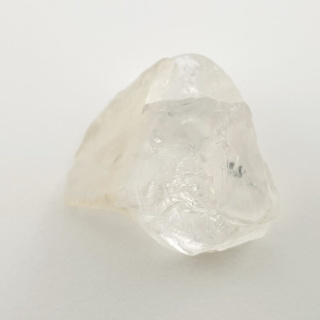
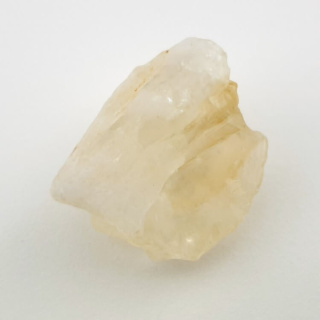
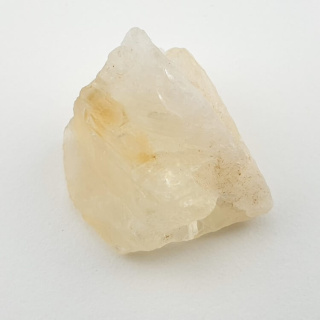
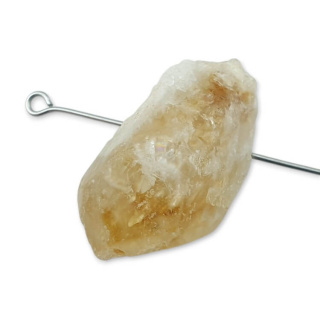
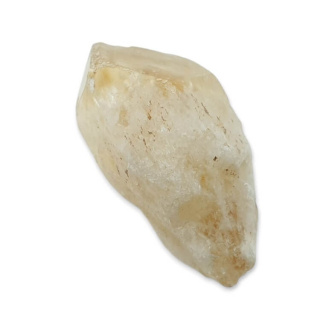
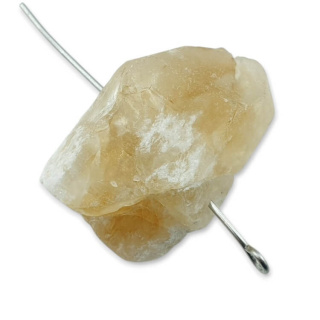
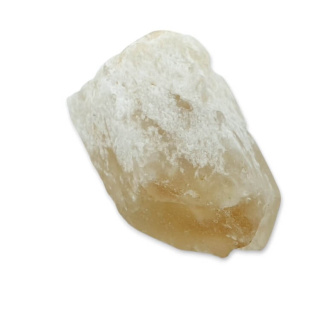
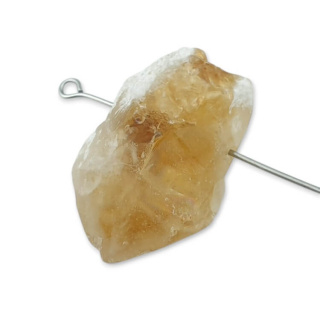
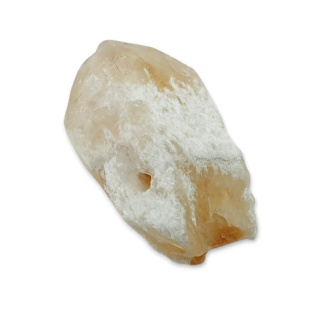
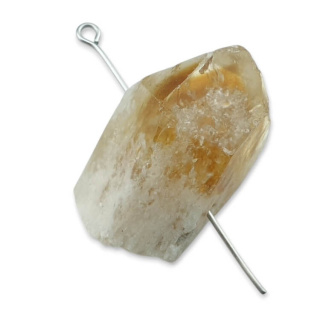
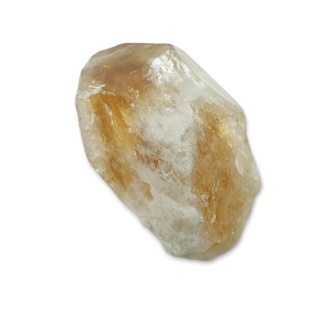
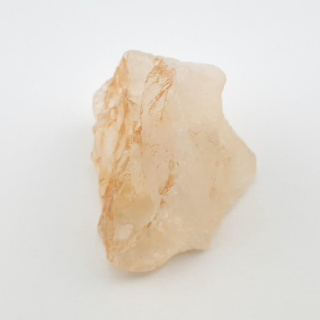
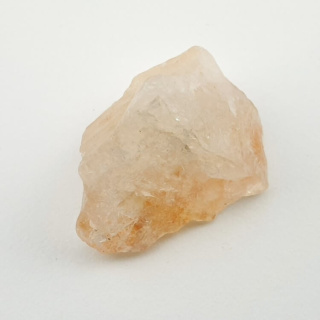
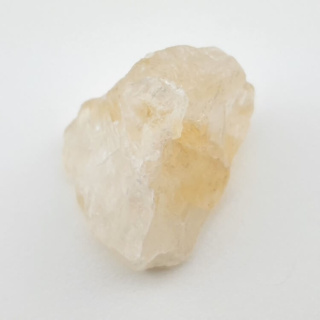
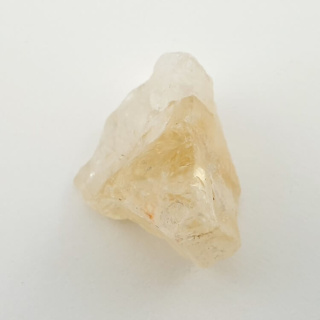
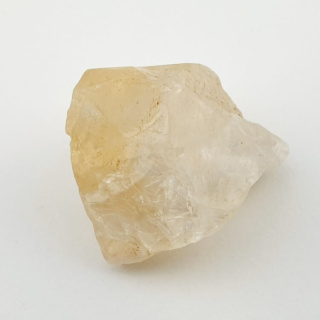
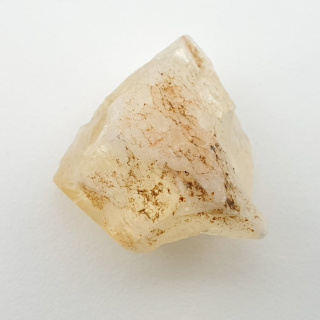
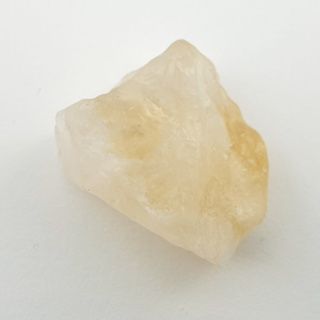
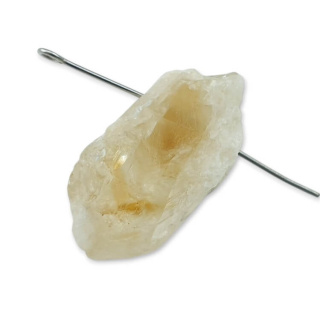
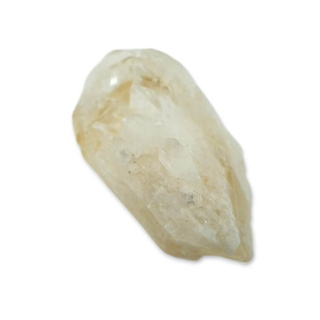
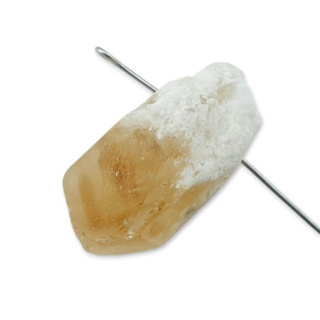
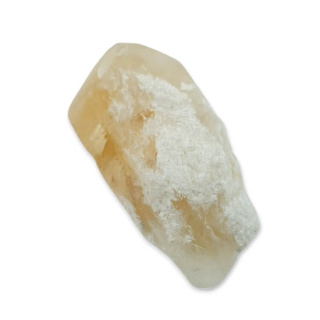
Liczba produktów: 304Kamień cytryn (citrine) to żółta odmiana kwarcu o charakterystycznym, żółtym lub złocistym kolorze. Jest to jeden z popularnych kamieni szlachetnych używanych w jubilerstwie i biżuterii.
Cytryn jest często kojarzony z energią radości, optymizmu i witalności. Wierzy się, że może przyciągać do noszącej go osoby pozytywną energię oraz wzmacniać jej pewność siebie i kreatywność. Jest czasem używany jako kamień do pracy nad równowagą emocjonalną i duchową.
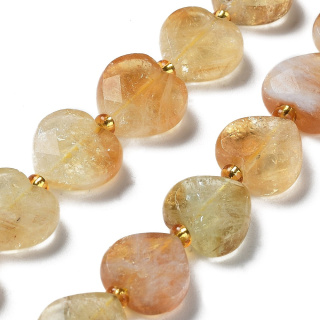
Cytryn jest również popularny w jubilerstwie i często jest osadzany w pierścionkach, naszyjnikach, bransoletkach i innego rodzaju biżuterii.
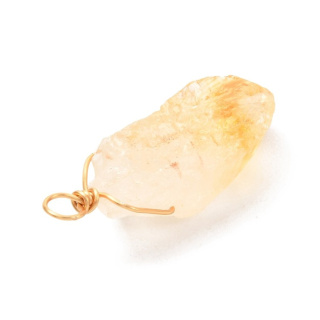
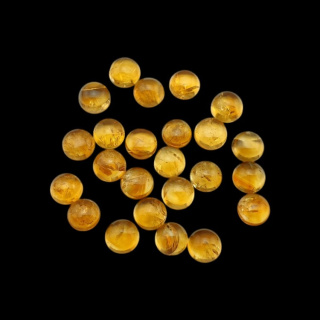
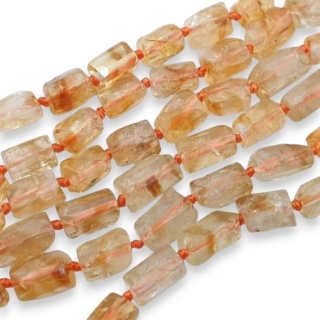
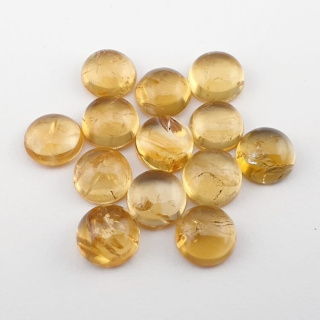






Jaka jest historia cytrynu?
Kamień cytryn, będący odmianą kwarcu o charakterystycznym żółtym lub złotym kolorze, jest znany ludziom od wieków. Oto krótka historia kamienia cytrynowego:
- Starożytność: Cytryn jest jednym z najstarszych znanych kamieni szlachetnych. Był używany przez starożytne cywilizacje, takie jak Rzymianie i Egipcjanie, do tworzenia ozdób, amuletów oraz przedmiotów o znaczeniu duchowym i magicznym. Wierzono, że kamień ten ma właściwości przyciągające dobrobyt i bogactwo.
- Średniowiecze: W czasach średniowiecza kamień cytryn nadal był ceniony i często używany w jubilerstwie oraz sztuce zdobienia. Wówczas był on uważany za symbol bogactwa i władzy.
- Renesans i okres baroku: W okresie renesansu i baroku cytryn cieszył się dużą popularnością w Europie. Był często używany w kameralnych ozdobach i biżuterii, a jego piękno było doceniane przez artystów i projektantów.
- XIX i XX wiek: Cytryn stał się popularny w epoce wiktoriańskiej. W tym okresie znów stał się ważnym elementem biżuterii i symbolizował sukces oraz bogactwo.
- Współczesność: Współczesne zastosowania cytrynu obejmują biżuterię, amulety, przedmioty dekoracyjne oraz duchowe praktyki, takie jak medytacja i terapie kamieniami. Jest nadal bardzo ceniony za swoją piękną kolorystykę i pozytywną energię, jaką przypisuje mu wiele osób.
Podsumowując, cytryn ma długą historię jako kamień ozdobny i duchowy. Był, i nadal jest, ceniony przez wiele różnych kultury na przestrzeni wieków. Jego popularność i znaczenie nie zmalały, a wciąż jest ceniony jako symbol bogactwa, radości i optymizmu.
W jakich regionach można znaleźć prawdziwe kamienie cytrynu?
Prawdziwe kamienie cytrynu są wydobywane na całym świecie. Oto kilka regionów, które słyną z wydobycia różnych rodzajów cytrynu najwyższej jakości:
- Brazylia: Brazylia jest jednym z największych producentów prawdziwych kamieni cytrynu na świecie. Znane brazylijskie miejsca wydobycia to stan Rio Grande do Sul, gdzie złoty to przeważający kolor cytrynu oraz stan Bahia, gdzie występują kamienie o jasnożółtej barwie.
- Madagaskar: Kamienie z tego regionu są znane ze swojej intensywnej barwy i wysokiej jakości. Występują tam najpiękniejsze cytryny dostępne na rynku.
- Stany Zjednoczone: W USA kamienie cytrynowe są wydobywane w niektórych stanach, w tym w Kalifornii i Kolorado. Kamienie cytrynowe z tych regionów są cenione za swoją klarowność i wyjątkową barwę.
- Rosja: Rosja jest innym krajem skąd cytryn pochodzi. Rosyjskie szlachetne cytryny są znane z pięknej złotej barwy.
- Inne regiony: Kamienie cytrynowe są również wydobywane w innych częściach świata, takich jak Hiszpania, Namibia, Zambia i inne.
Jakie są różnice między naturalnymi cytrynami, a syntetycznymi lub poprawianymi?
Różnice między naturalnymi, syntetycznymi i poprawianymi cytrynami dotyczą ich pochodzenia, właściwości fizycznych i cen. Oto główne różnice między tymi rodzajami:
- Pochodzenie:
-
Naturalne cytryny: Naturalne cytryny są wydobywane z ziemi jako surowce mineralne. Ich kształt, kolor i tekstura są wynikiem procesów geologicznych i nie zostały zmieniane przez człowieka.
- Syntetyczne cytryny: Syntetyczne cytryny są tworzone w laboratoriach przy użyciu procesów chemicznych i fizycznych. Są to imitacje naturalnych cytrynów, które starają się naśladować ich wygląd i właściwości, ale nie pochodzą z natury.
- Obrabiane/poprawiane cytryny: Obrabiane cytryny są naturalnymi kamieniami, które mogą być poddawane różnym procesom obróbki, takim jak ogrzewanie, w celu np. poprawienia koloru. Obróbka taka może być stosowana do kamieni o słabszej jakości, aby poprawić ich atrakcyjność w handlu.
-
- Czystość i kolor:
-
Naturalne cytryny: Ich czystość i kolor są naturalne i niezmienione przez ludzi. Kolor może być bardziej zróżnicowany, od jasnożółtego do intensywnie złotego.
- Syntetyczne cytryny: Syntetyczne cytryny są często bardziej jednolite pod względem koloru i czystości niż ich naturalne odpowiedniki, ponieważ są kontrolowane w laboratorium.
- Obrabiane cytryny: Obrabiane kamienie mogą mieć zmieniony kolor w wyniku procesów takich jak ogrzewanie, ale nadal pozostają naturalnymi kamieniami.
-
Jakie są najważniejsze właściwości cytrynu?
Cytryn to odmiana kwarcu, co oznacza, że ma wiele wspólnych właściwości fizycznych z innymi odmianami tego minerału. Oto najważniejsze właściwości cytrynu:
- Twardość: Prawdziwe kamienie cytrynu mają twardość na skali Mohsa około 7. Skala ta ocenia twardość minerałów od 1 (najmniejsza twardość, np. talk) do 10 (największa twardość, np. diament). Twardość na poziomie 7 oznacza, że kamień cytrynowy jest stosunkowo odporny na zarysowania i uszkodzenia mechaniczne, co czyni go trwałym materiałem do biżuterii i ozdób.
- Połysk: Kamień cytrynowy ma szklisty połysk. Jest to charakterystyczny połysk kwarcu, który sprawia, że kamienie te wyglądają pięknie w biżuterii i innych ozdobnych przedmiotach.
- Przełam: Przełam kamienia cytrynowego jest kruchy, co oznacza, że łamie się łatwo podczas złamania lub uderzenia. Jest to cecha typowa dla większości minerałów kwarcowych.
- Gęstość: Gęstość kamienia cytrynowego wynosi około 2,65 g/cm³. Jest to przybliżona wartość, która może się nieznacznie różnić w zależności od konkretnego kamienia.
- Kolor: Najważniejszą charakterystyczną cechą kamienia cytrynowego jest jego kolor, który może być żółty lub złoty. Kamienie te występują w różnych odcieniach tych kolorów, od jasnożółtego po intensywnie złoty.
- Przeźroczystość: Kamienie cytrynowe są zazwyczaj przeźroczyste, co oznacza, że światło przechodzi przez nie i umożliwia oglądanie wnętrza kamienia.
Te właściwości czynią kamień cytrynowy atrakcyjnym nie tylko ze względu na jego wyjątkowy kolor, ale także ze względu na jego twardość i trwałość, co sprawia, że jest popularnym materiałem do tworzenia biżuterii oraz ozdób.
Jakie są magiczne właściwości cytrynu?
Kamień cytrynowy (citrine) ma długą historię zastosowań w duchowości, astrologii i terapiach energetycznych ze względu na przypisywane mu właściwości energetyczne i duchowe. Oto kilka zastosowań i właściwości magicznych cytrynu:
- Kamień obfitości i bogactwa: Kamień cytrynowy jest często kojarzony z obfitością, bogactwem i dostatkiem. Wierzy się, że energia cytrynu przyciąga dobrobyt materialny i pomaga w przyciąganiu pieniędzy oraz sukcesu finansowego. Ludzie często trzymają go w portfelach, kieszeniach lub na biurkach w nadziei na poprawę swojej sytuacji finansowej.
- Kamień ochrony przed negatywną energią: Kamień cytrynowy jest uważany za kamień, który oczyszcza i ochrania przed negatywną energią. Wierzy się, że absorbuje negatywność i pomaga w utrzymaniu pozytywnej atmosfery w otoczeniu.
- Kamień optymizmu i radości: Kamień ten jest również kojarzony z optymizmem, radością i dobrym nastrojem. Noszenie go lub trzymanie w miejscach, gdzie przebywasz, może pomóc w poprawie nastroju i zwiększeniu poczucia szczęścia.
- Kamień w medytacji: Energia cytrynu jest wykorzystywana w praktykach medytacyjnych i w terapiach energetycznych. Ludzie trzymają go w dłoniach podczas medytacji, aby zwiększyć koncentrację, witalność i oczyszczenie umysłu.
- Astrologia: W astrologii kamień cytrynowy jest przypisywany niektórym znakom zodiaku, takim jak Lew (Leo) i Strzelec (Sagittarius). Wierzy się, że pomaga tym znakom zodiaku wzmocnić ich pozytywne i przynosi im szczęście.
- Terapie kamieniami: W terapiach kamieniami kamień cytrynowy jest używany do równoważenia energii w ciele i w polu energetycznym. Jest umieszczany na określonych punktach ciała lub stosowany w określonych technikach, aby wspomagać zdrowie fizyczne i emocjonalne.
- Biżuteria duchowa: Odmiany cytrynu są popularnym materiałem do tworzenia biżuterii duchowej, takiej jak naszyjniki, bransoletki i pierścionki. Ludzie noszą go jako amulety lub talizmany, aby przyciągać pozytywną energię i ochronę.
Warto zaznaczyć, że te zastosowania kamienia cytrynowego są często oparte na wierzeniach i przekonaniach duchowych, a nie na naukowych dowodach. Każda osoba może odbierać kamień cytrynowy inaczej, więc warto eksperymentować i eksplorować jego potencjał w swoim życiu duchowym i energetycznym zgodnie z własnymi przekonaniami i intuicją.
Czy cytryn ma jakieś znaczenie kulturowe lub historyczne?
Tak, kamień cytrynowy ma pewne znaczenie kulturowe i historyczne w różnych krajach i kulturach na przestrzeni wieków. Oto kilka przykładów:
- Kultura chińska: W chińskiej kulturze kamień cytrynowy jest tradycyjnie uważany za symbol bogactwa i dostatku. Jest często kojarzony z kolorem złotym, który symbolizuje bogactwo i szczęście. W chińskiej astrologii kamień cytrynowy jest związany z niektórymi znakami zodiaku, takimi jak Smok, co dodatkowo podkreśla jego pozytywną energię.
- Kultura tajlandzka: W Tajlandii kamień cytrynowy jest często używany w amuletach i talizmanach jako kamień przyciągający dobrobyt i ochronę przed złymi duchami. Jest również często używany w tradycyjnym tajskim jubilerstwie.
- Kultura indiańska: Niektóre plemiona indiańskie uważają kamień cytrynowy za kamień przynoszący dobrobyt i obfitość. Jest używany w rytuałach i ceremoniach mających na celu przyciągnięcie dobrobytu.
- Kultura ezoteryczna: Kamień cytrynowy jest ceniony w ezoterycznych praktykach, takich jak tarot czy astrologia. Jest czasem używany jako kamień wspierający i przynoszący pozytywną energię podczas tych praktyk.
- Kultura chrześcijańska: W niektórych okresach historii kamień cytrynowy był używany jako substytut drogocennych kamieni szlachetnych w religijnych insygniach i ozdobach kościelnych.
- Kultura zachodnia: Kamień cytrynowy jest ceniony jako kamień urodzinowy dla osób urodzonych w listopadzie, a także jako kamień jubileuszowy dla 13. rocznicy ślubu.