![[{[item.product.name]}]]([{[item.product.photo.url]}] 75w)
Do bezpłatnej dostawy brakuje: -,--
Podsumowanie zamówienia
Suma 0 zł
Cena uwzględnia rabaty

Tektyt – naturalne szkło meteorytowe
Liczba produktów: 29Co to są tektyty?
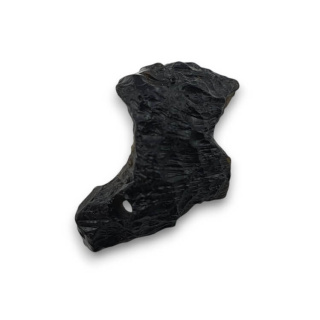
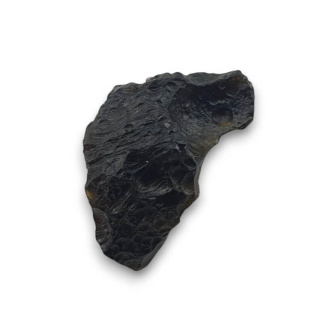
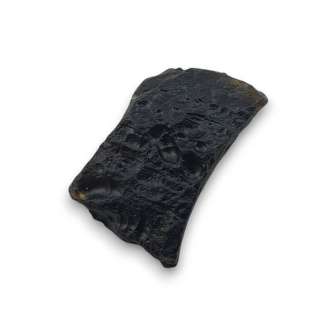
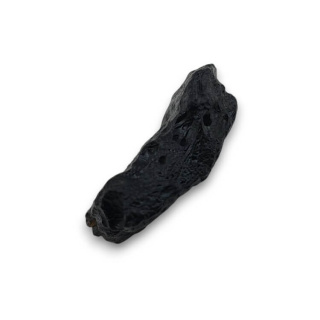
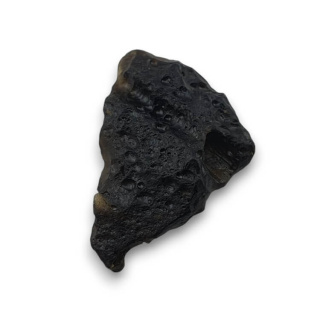
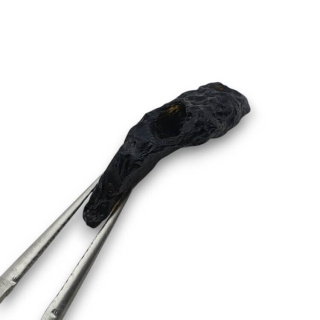
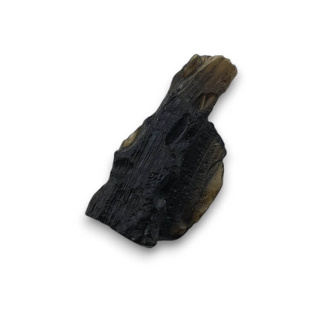
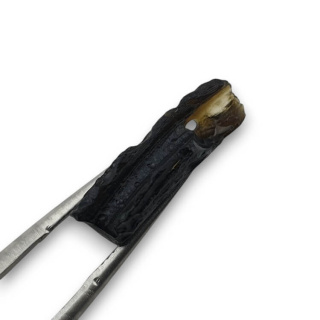
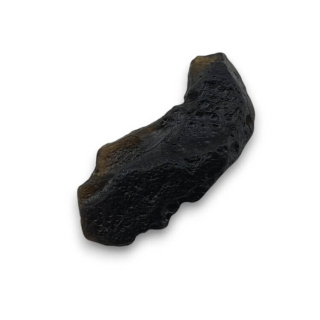
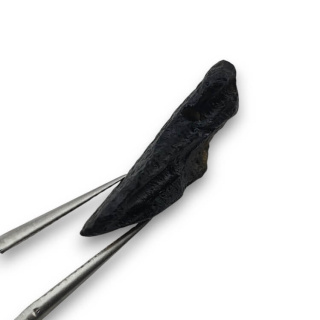
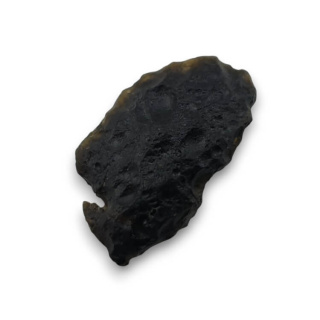
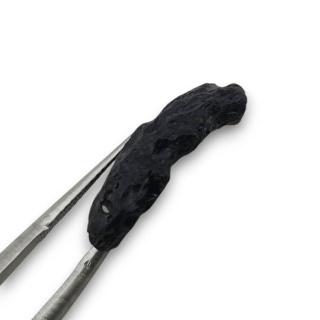
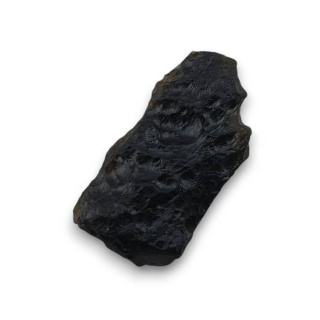
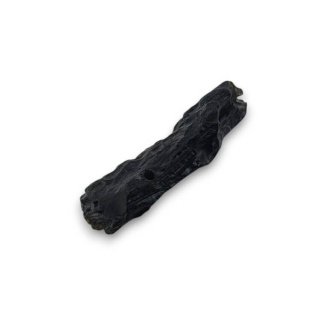
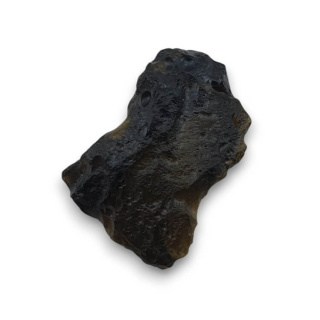
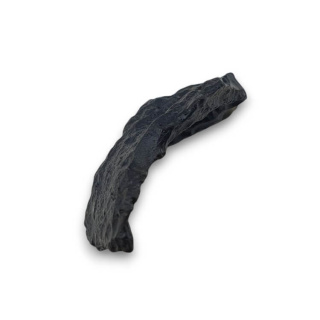
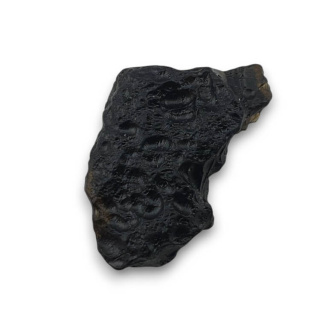
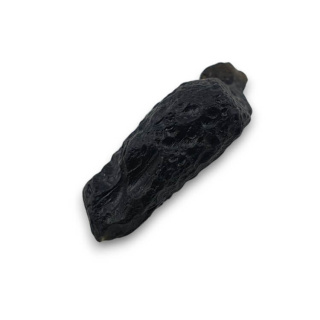
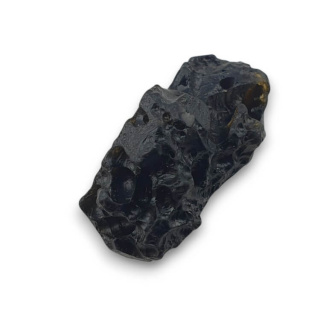
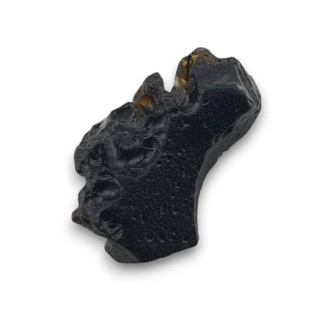
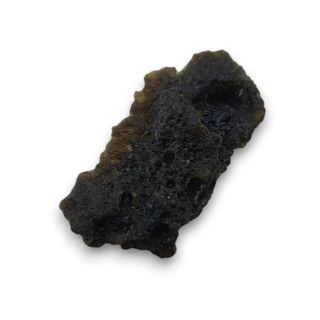
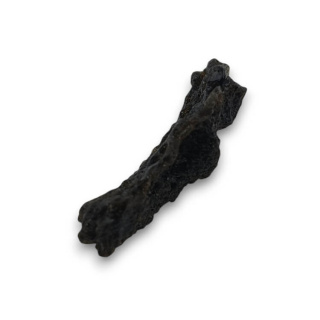
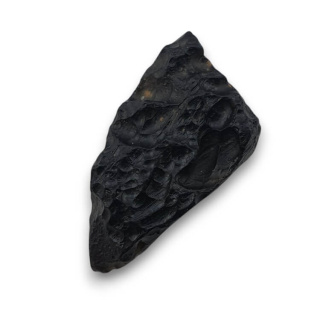
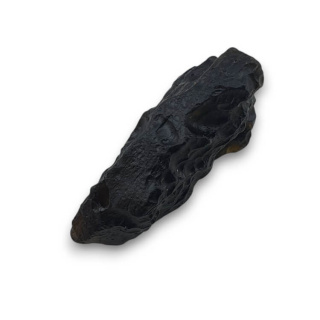
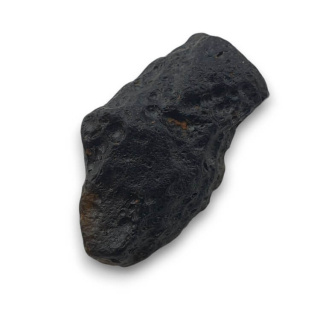
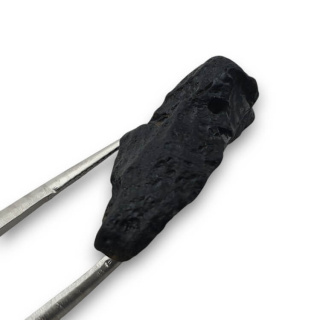
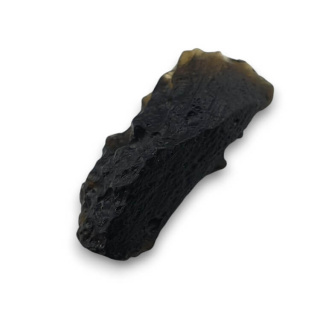
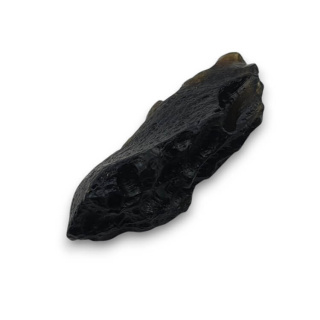
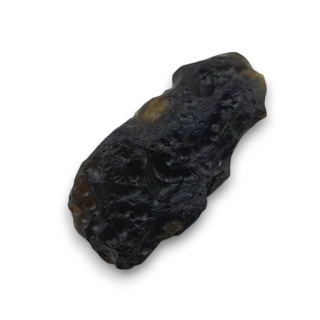
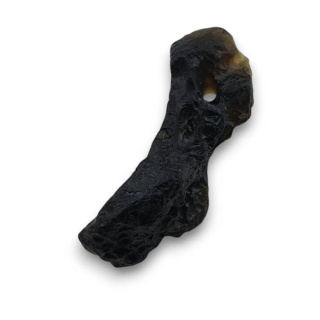
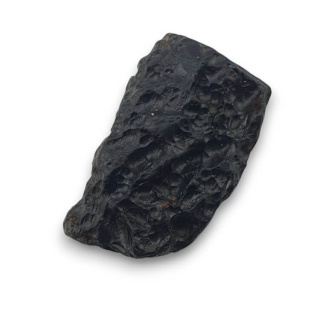
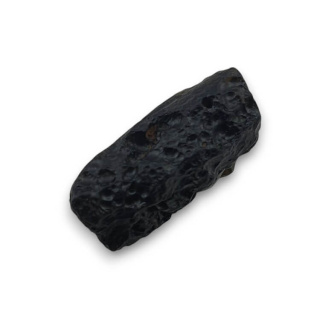
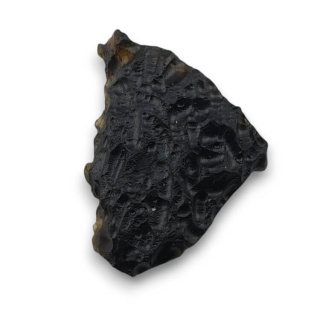
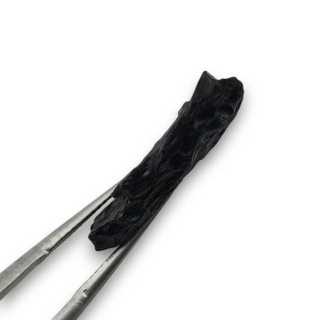
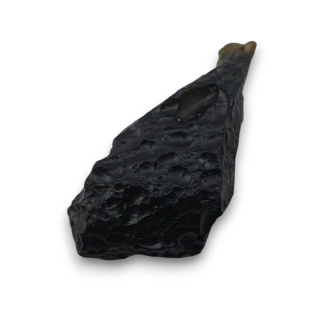
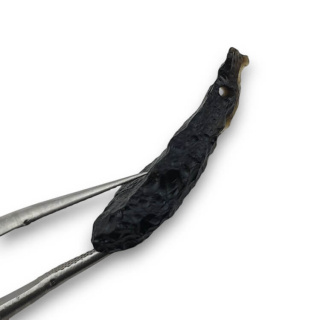
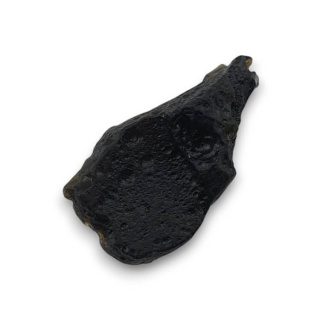
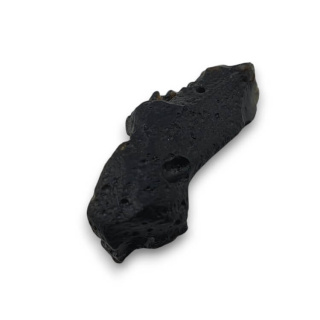
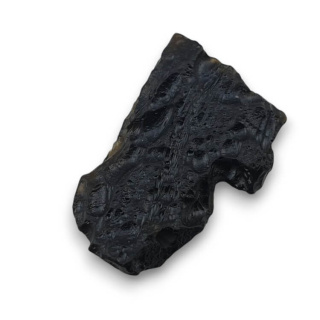
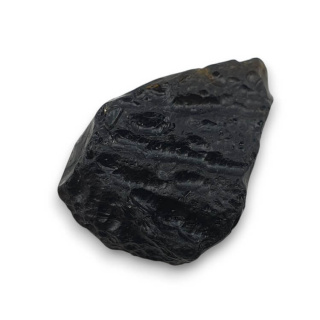
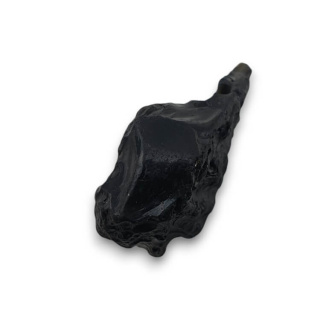
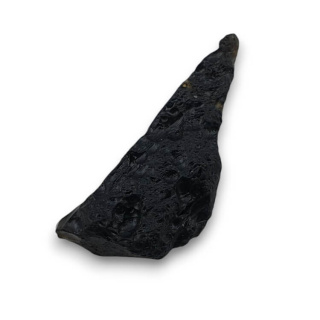
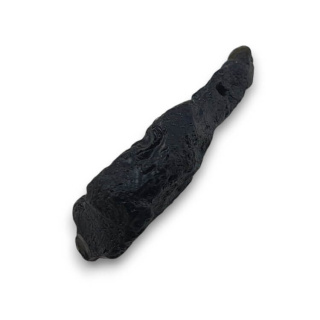
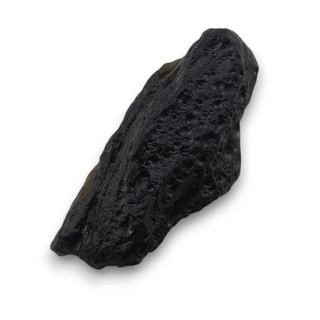
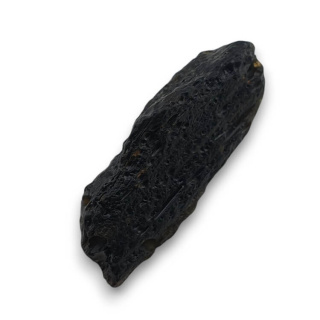
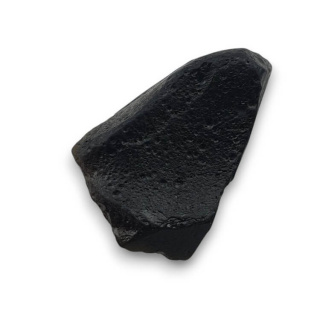
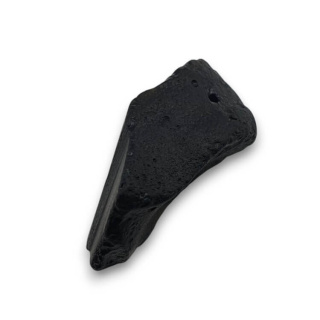
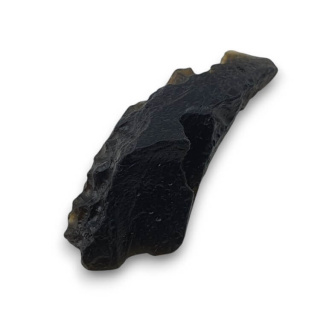
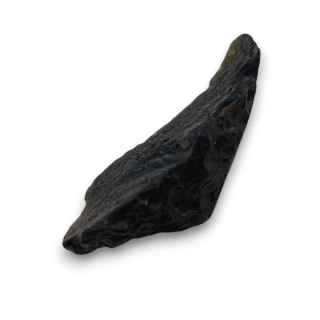
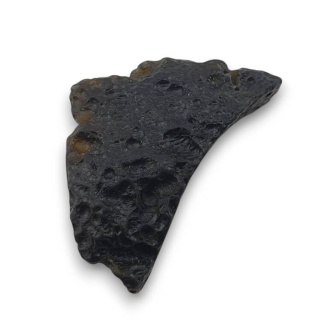
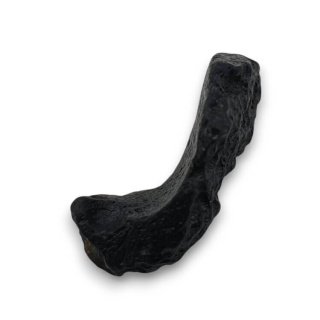
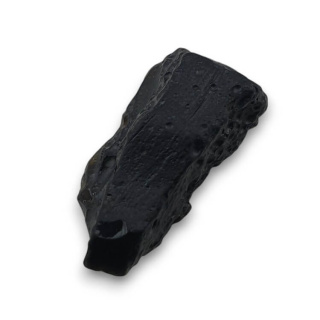
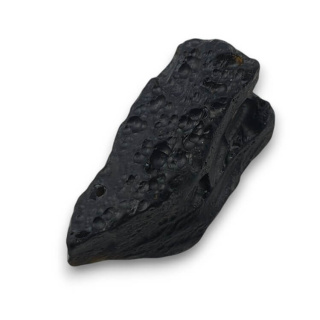
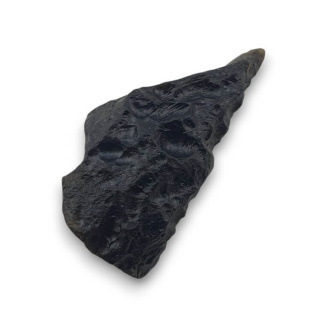
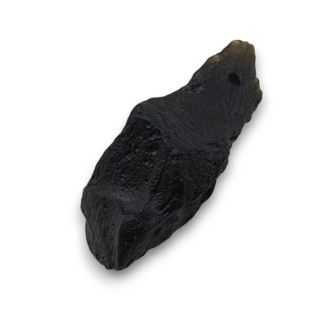
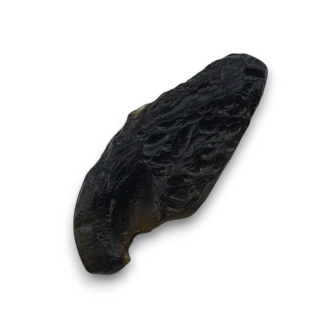
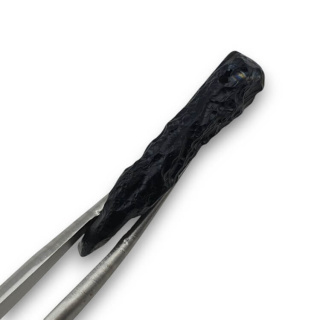
Tektyty to naturalne szkło, które powstaje w wyniku uderzenia meteorytu w powierzchnię Ziemi. W wyniku tego ekstremalnego zdarzenia, lokalny materiał skalny ulega gwałtownemu stopieniu, a następnie, podczas szybkiego ochładzania, przybiera postać amorficzną. Efektem tego procesu jest unikalna struktura bez uporządkowanego układu krystalicznego, co czyni tektyty cennymi obiektami badań geologicznych.
Pochodzenie nazwy "Tektyt"
Termin tektyt pochodzi z języka angielskiego, natomiast entymologia słowa wiąże się z greckim terminem tekton, oznaczającym budowniczego lub rzeźbiarza, co symbolicznie oddaje proces formowania tych naturalnych szkieł pod wpływem potężnych sił uderzeniowych.
Proces powstawania tektytu
Etapy formowania tektytu
Proces tworzenia tektytu jest związany z szeregiem dynamicznych i ekstremalnych zjawisk fizycznych:
-
Uderzenie meteorytu: Podczas kolizji meteorytu ze skorupą ziemską dochodzi do nagłego uwolnienia ogromnych ilości energii. W wyniku tego uderzenia lokalny materiał skalny zostaje stopiony, tworząc płynne masy o bardzo wysokiej temperaturze.
-
Wyrzut materiału: Stopiony materiał zostaje wyrzucony z miejsca uderzenia na znaczne odległości. Podczas tego procesu, na skutek oddziaływania oporu atmosferycznego, materiał rozbija się na drobniejsze fragmenty, które przybierają różne kształty.
-
Szybkie schładzanie i krzepnięcie: Błyskawiczne ochłodzenie wyrzuconego materiału uniemożliwia wykształcenie uporządkowanej struktury krystalicznej. W efekcie powstaje amorficzne szkło o charakterystycznym szklistym połysku i unikalnych właściwościach optycznych.
Mechanizmy fizyczne i chemiczne
Badania laboratoryjne wykazały, że tektyty charakteryzują się bardzo wysoką zawartością tlenku krzemu (SiO₂), co jest typowe dla materiałów bazaltowych. Dodatkowo, obecność domieszek tlenków glinu, żelaza oraz magnezu świadczy o ich pochodzeniu z pierwotnego materiału skorupy ziemskiej, który został poddany ekstremalnym warunkom termicznym i ciśnieniowym.
Charakterystyka tektytu
Struktura i skład chemiczny
-
Amorficzna struktura: Tektyty nie wykazują uporządkowanego układu krystalicznego, co jest bezpośrednim rezultatem błyskawicznego schładzania stopionego materiału. Ta cecha nadaje im unikalny, szklisty wygląd oraz właściwości optyczne, które są przedmiotem licznych badań naukowych.
-
Wysoka zawartość tlenku krzemu (SiO₂): Skład chemiczny tektytu wskazuje na dominującą rolę tlenku krzemu, którego zawartość często przekracza 70% masy próbki. To właśnie wysoka zawartość SiO₂ odpowiada za szklistą strukturę i właściwości refrakcyjne.
-
Domieszki mineralne: Obecność dodatkowych tlenków, takich jak glinu, żelaza oraz magnezu, wpływa na zróżnicowanie barw oraz strukturę mikroskopową tektytu, co jest ważnym aspektem przy ich analizie geochemicznej.
Różnorodność kształtów i rozmiarów
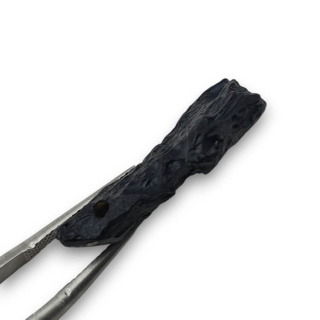
Tektyty występują w różnych formach i wielkościach. Ich kształt może być kulisty, elipsoidalny, a nawet nieregularny, co wynika z warunków aerodynamicznych panujących podczas wyrzutu i stygnięcia materiału. Rozmiary fragmentów tektytu wahają się od kilku milimetrów do kilku centymetrów, co odzwierciedla skalę uderzenia oraz intensywność sił działających podczas ich powstawania.
Znaczenie naukowe i praktyczne zastosowania
Wkład w badania geologiczne
Tektyty są niezwykle ważnym materiałem badawczym, gdyż dostarczają informacji o:
-
Historiach impaktowych: Analiza rozkładu tektytu (tzw. strewn fields) pozwala na rekonstrukcję trajektorii uderzeń meteorytowych oraz określenie intensywności tych zdarzeń.
-
Procesach termodynamicznych: Badania nad błyskawicznym schładzaniem i przemianami fizycznymi w trakcie formowania się tektytu umożliwiają lepsze zrozumienie ekstremalnych warunków panujących podczas impaktów meteorytowych.
Zastosowanie w materiałoznawstwie i przemyśle artystycznym
Ze względu na swoje unikalne właściwości, tektyty znalazły zastosowanie nie tylko w badaniach naukowych, ale również w przemyśle artystycznym i jubilerskim:
-
Materiały dekoracyjne i biżuteria: Naturalne szkło meteorytowe jest cenione za swoje niepowtarzalne wzory, co czyni je atrakcyjnym surowcem do produkcji biżuterii oraz elementów dekoracyjnych.
-
Badania nad materiałami syntetycznymi: Analiza struktury tektytu inspiruje rozwój nowych materiałów syntetycznych, które mogą znaleźć zastosowanie w technologii wysokich temperatur i ciśnień.