![[{[item.product.name]}]]([{[item.product.photo.url]}] 75w)
Do bezpłatnej dostawy brakuje: -,--
Podsumowanie zamówienia
Suma 0 zł
Cena uwzględnia rabaty

Chryzokola: Właściwości, zastosowania i historia tego pięknego minerału
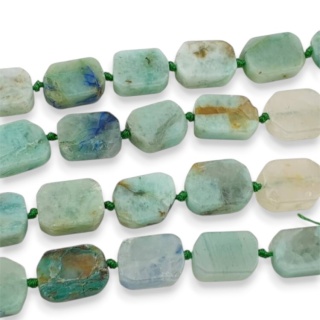
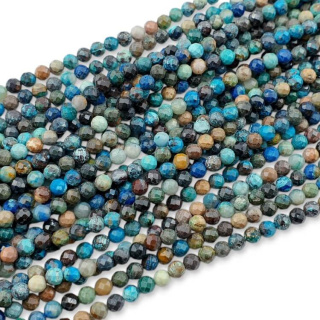
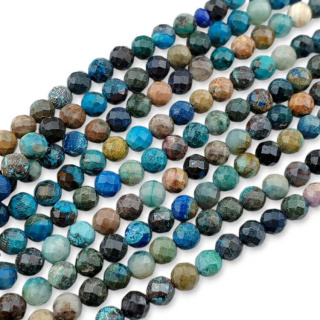
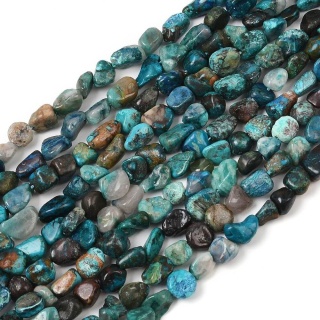
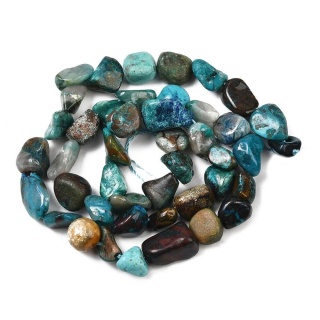
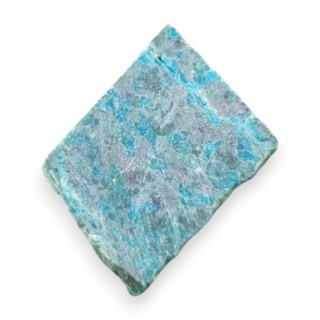
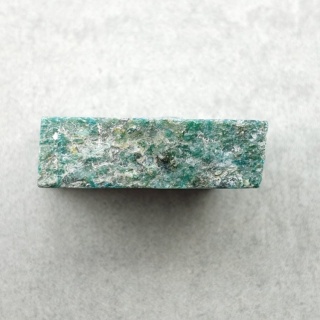
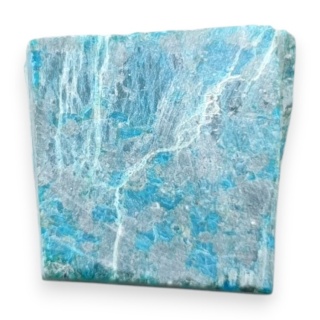
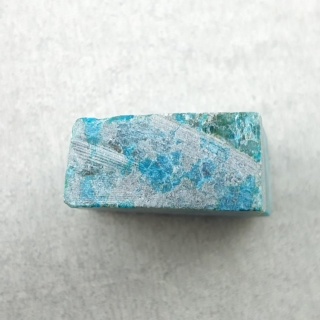
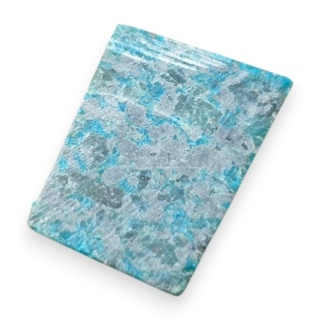
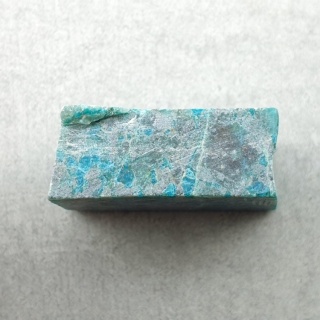
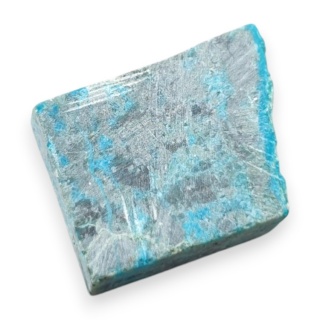
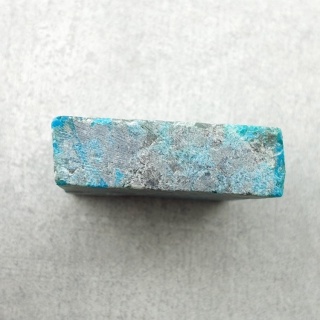
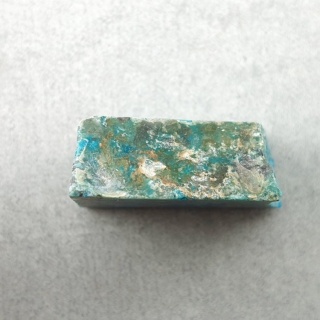
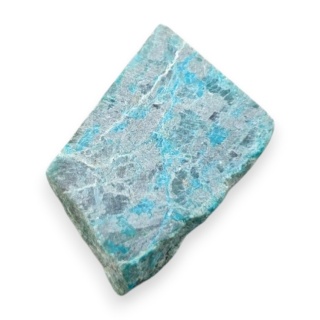
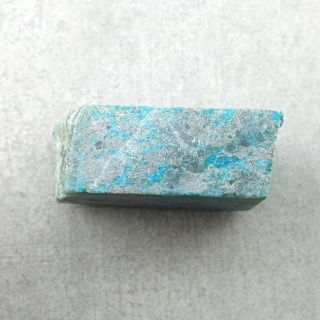
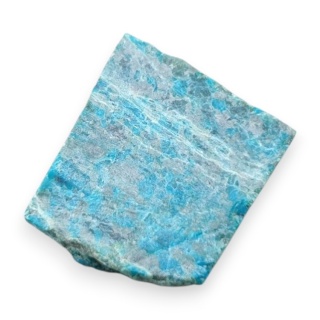
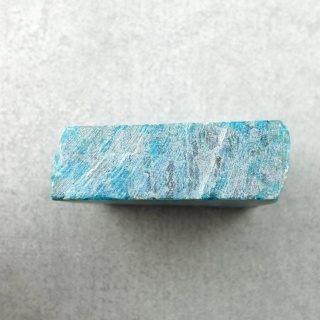
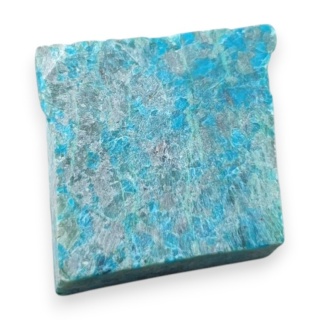
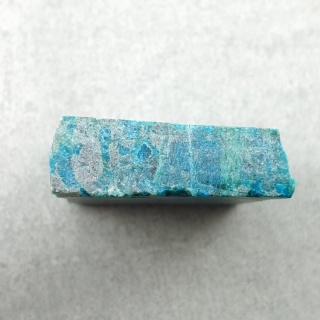
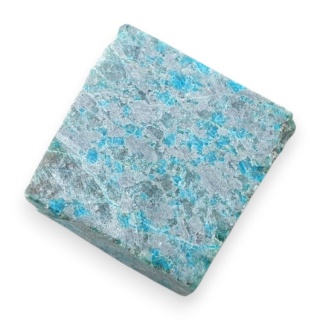
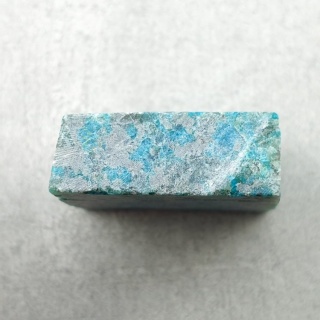
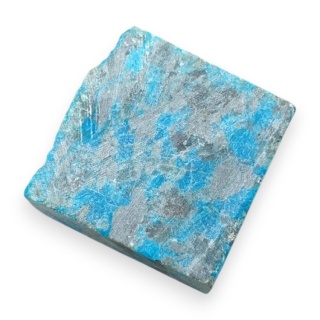
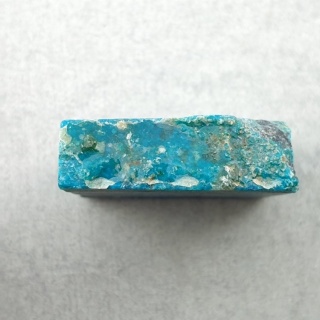
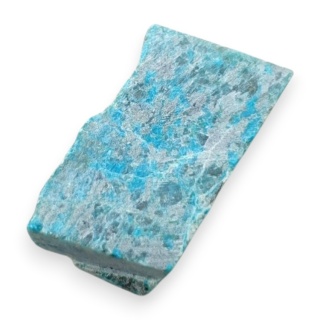
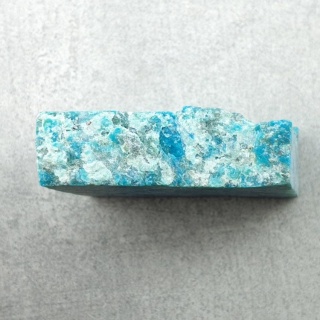
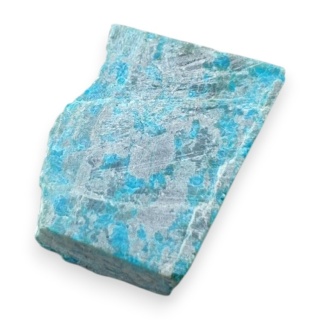
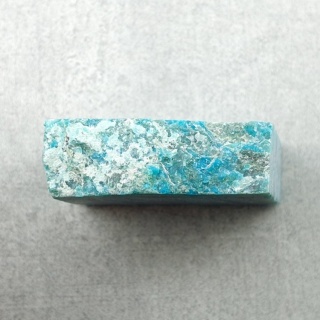
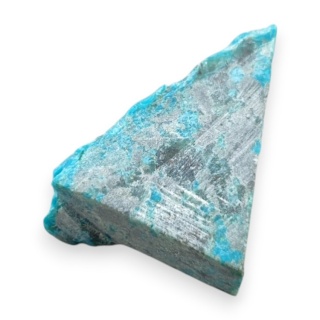
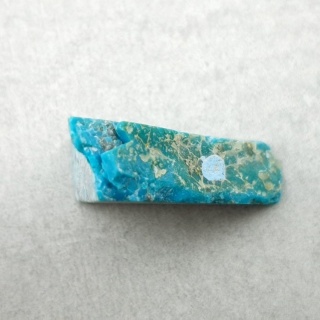
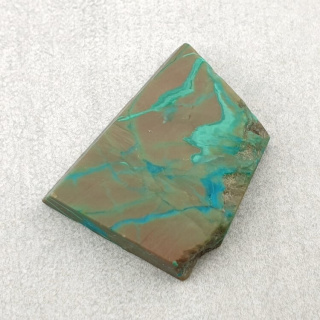
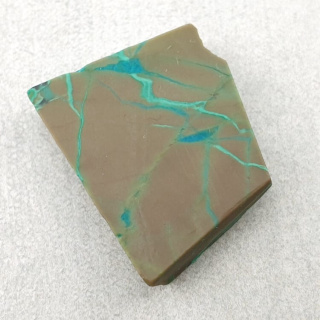
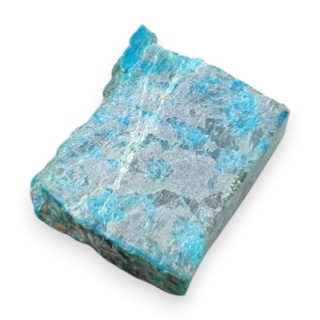
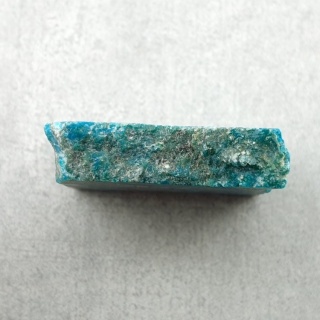
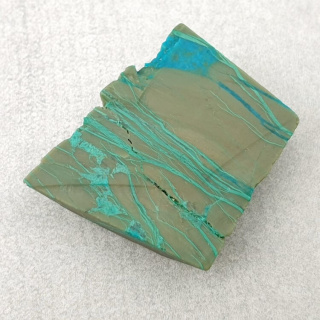
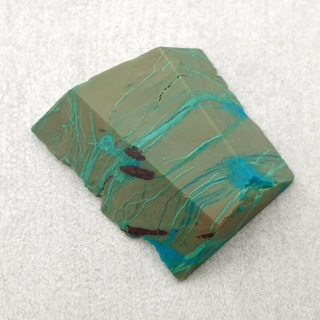
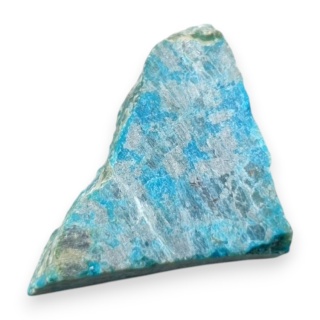
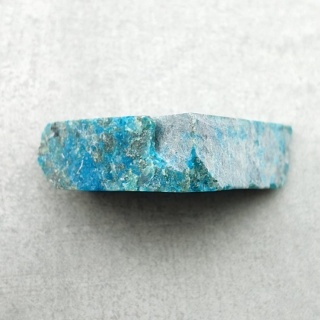
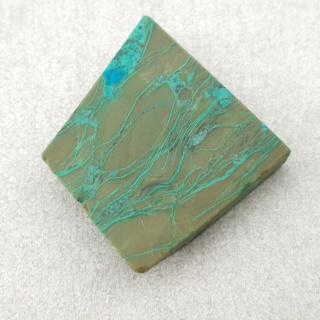
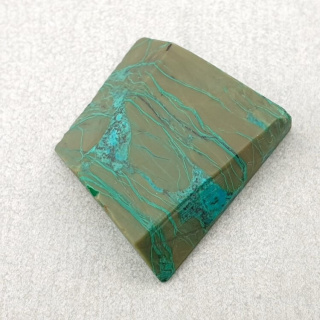
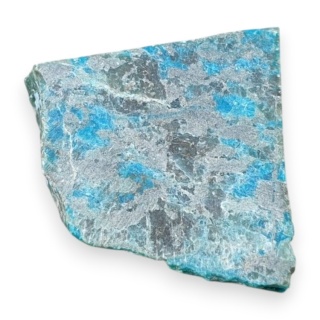
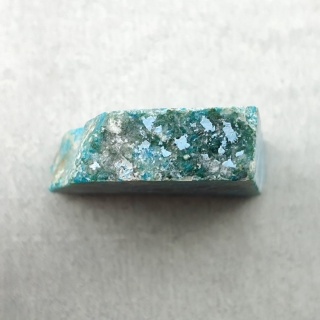
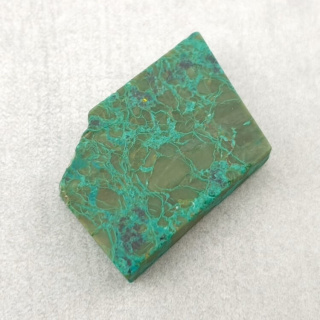
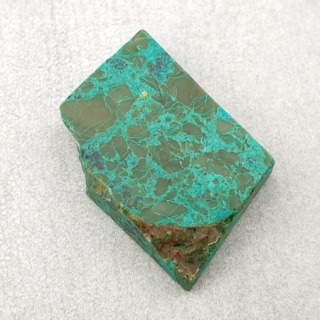
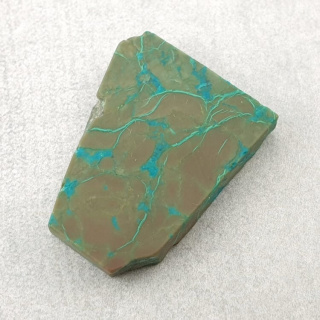
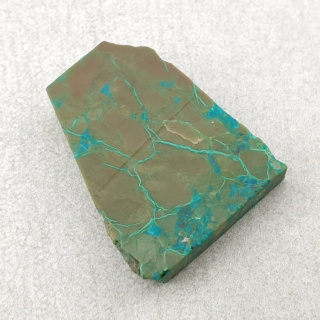
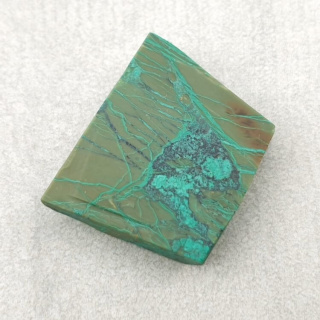
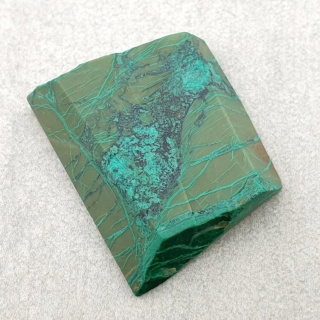
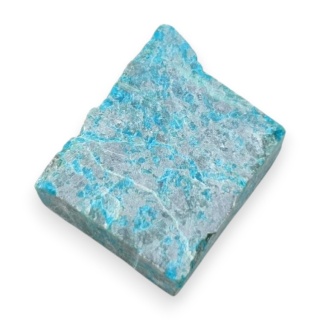
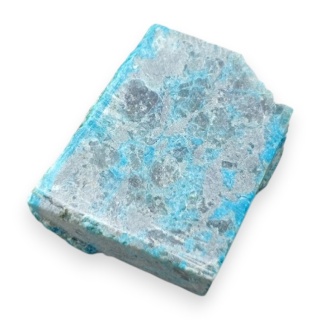
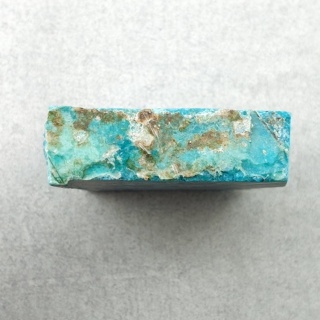
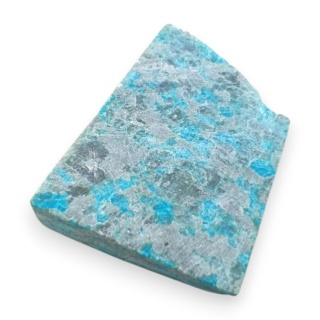
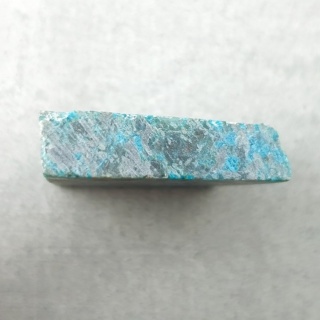
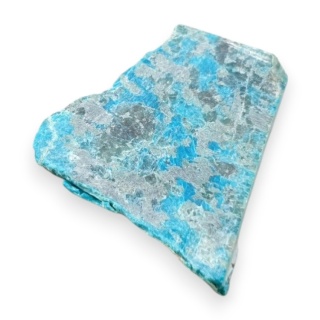
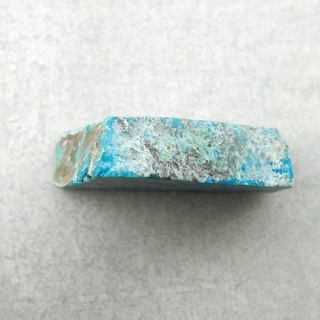
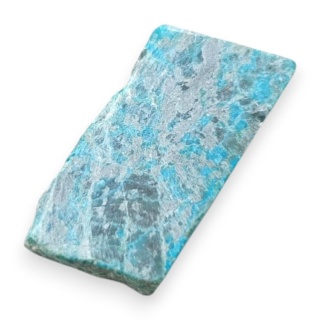
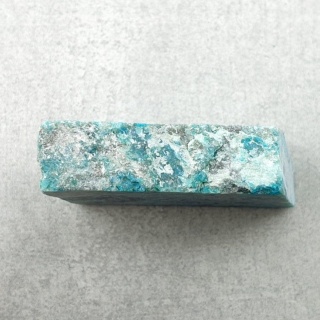
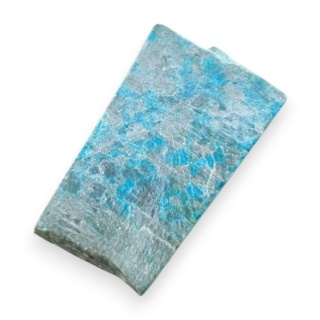
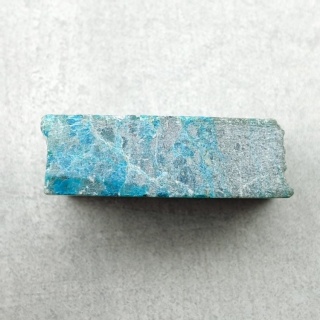
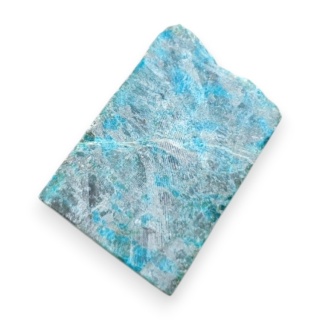
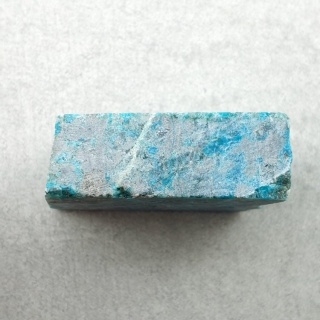
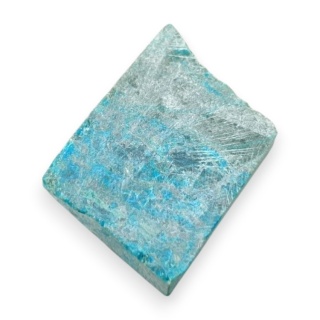
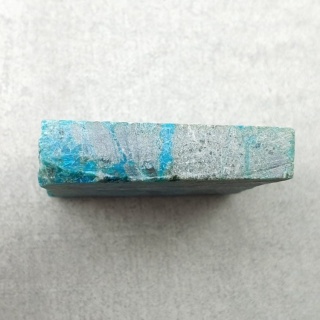
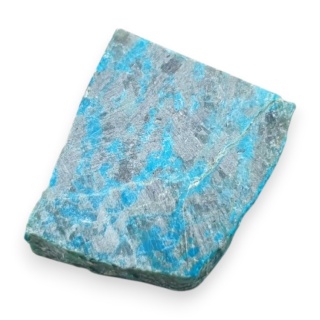
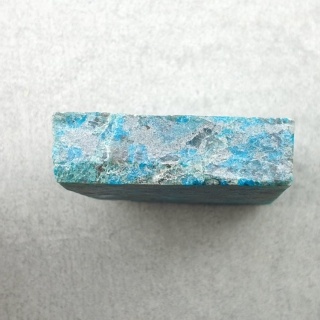
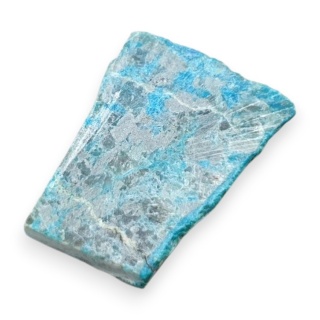
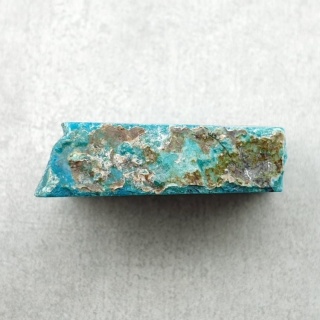
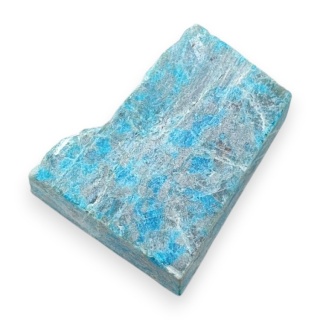
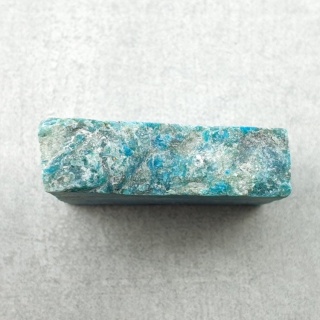
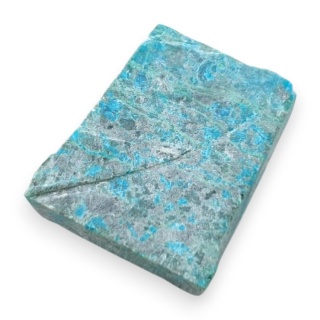
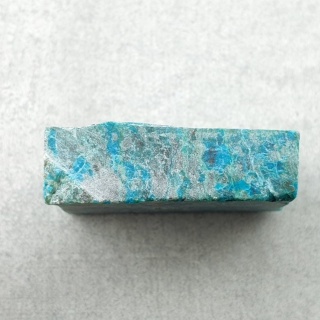
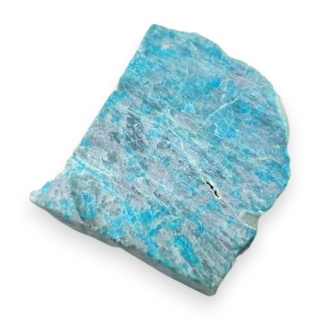
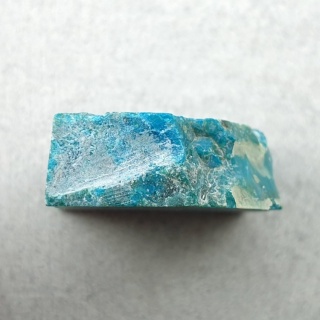
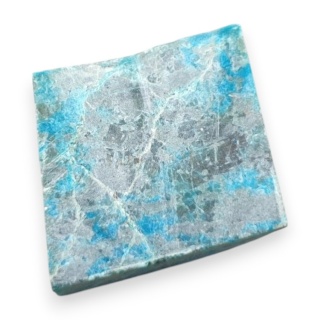
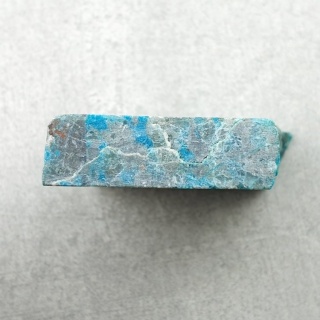
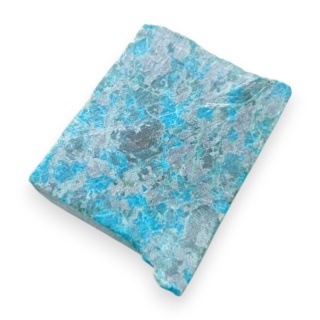
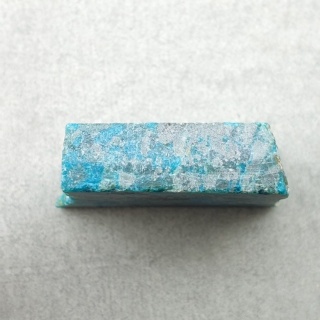
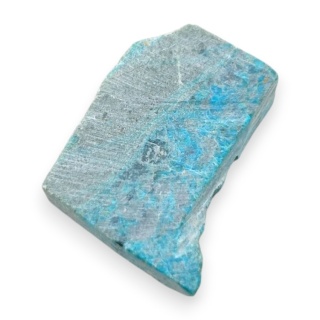
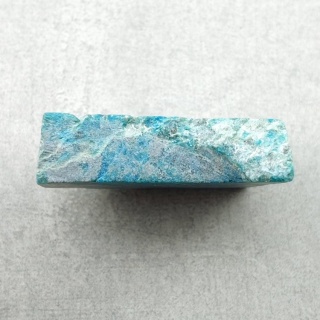
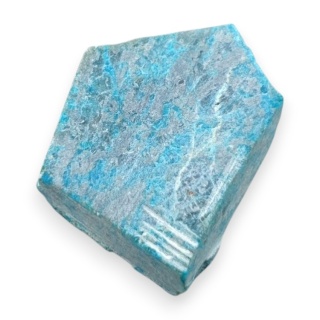
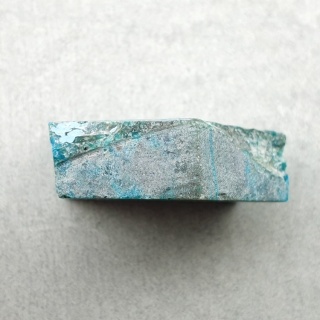
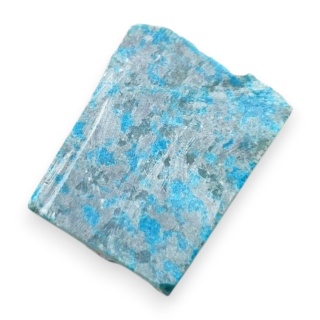
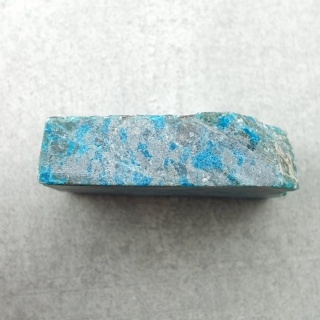
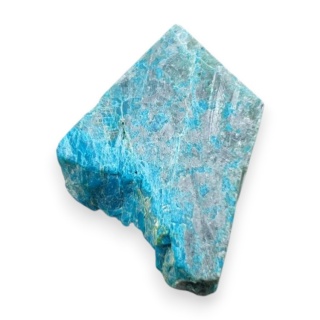
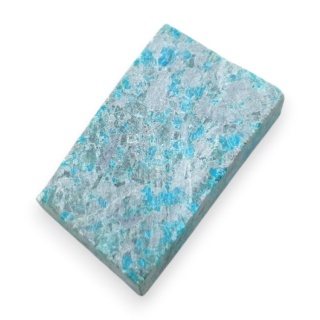
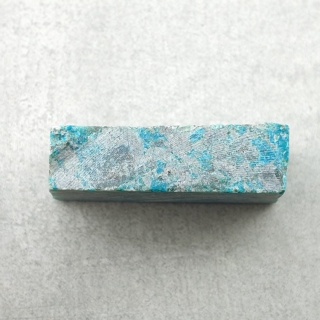
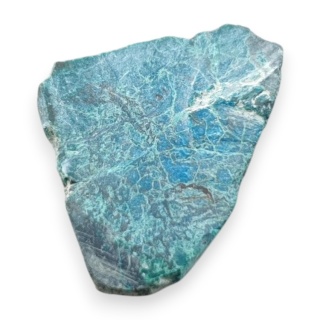
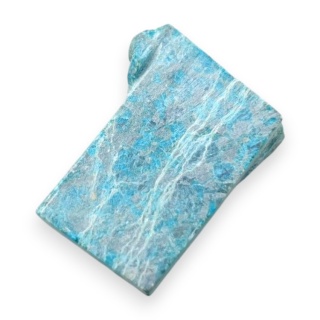
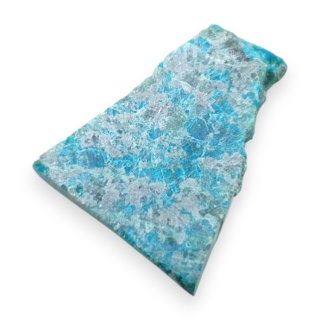
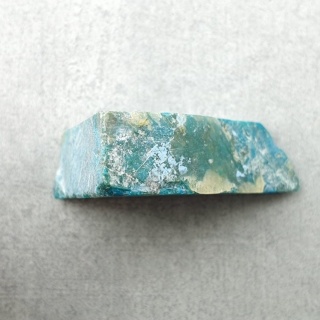
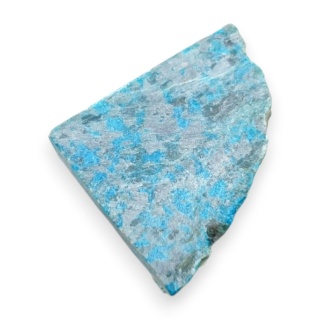
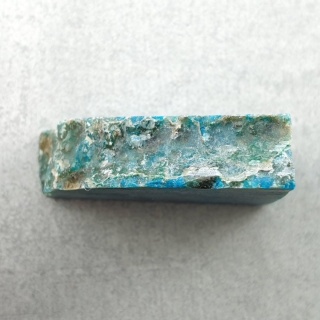
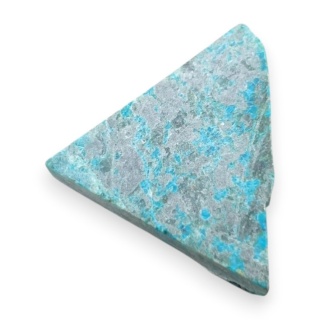
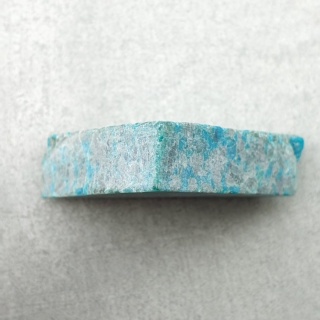
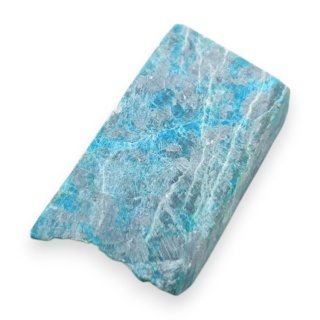
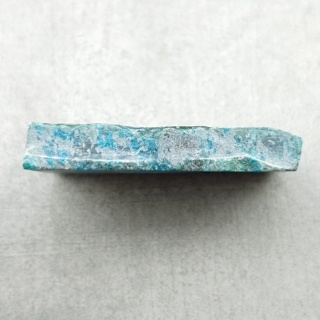
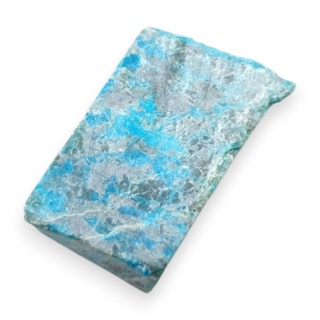
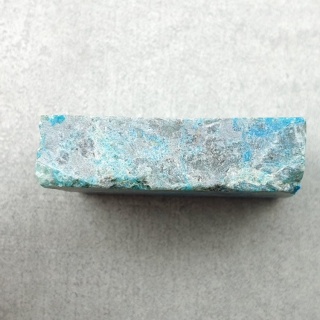
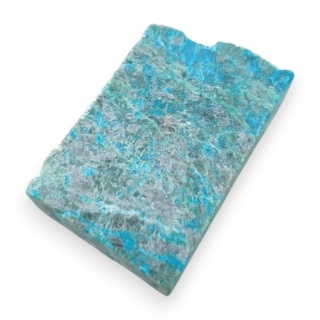
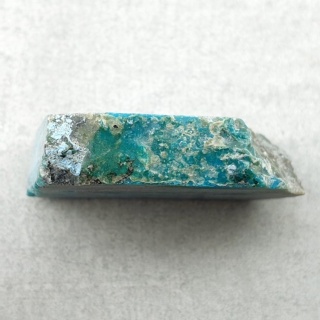
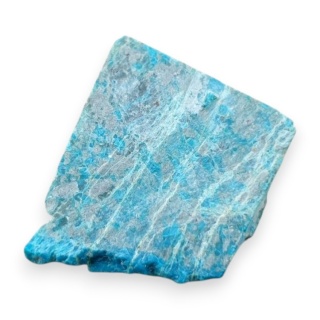
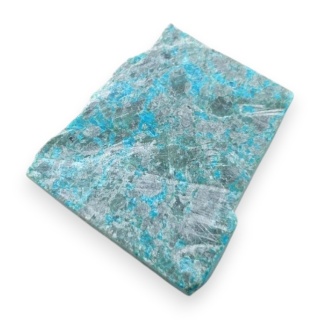
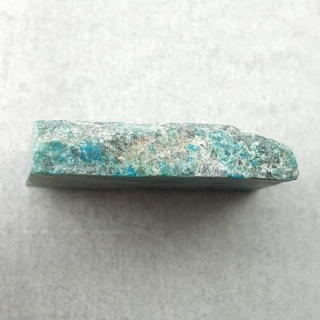
Liczba produktów: 159Chryzokola to minerał z grupy węglanów. Ma zazwyczaj kolor niebieskozielony, błękitno-zielony lub zielony, choć może występować w różnych odcieniach tych kolorów.
Jest to minerał zawierający miedź, glin, tlenek krzemu, tlenek wodoru i węgiel. Jego nazwa pochodzi od greckich słów "chrysos" (co oznacza złoto) i "kolla" (co oznacza klej), co może być związane z jego historycznym wykorzystaniem jako pigmentu malarskiego.
Chryzokola jest stosunkowo miękkim minerałem o wartości 2,5 do 3,5 w skali twardości Mohsa, co oznacza, że można go łatwo rysować ostrym narzędziem. Jest często spotykany jako produkt wtórny w strefach utleniania złóż miedzi i może towarzyszyć innym minerałom zawierającym miedź, takim jak malachit i azuryt.














Chryzokola właściwości fizyczne i chemiczne
Chryzokola to minerał o konkretnej strukturze i właściwościach fizycznych oraz chemicznych. Oto główne cechy chryzokoli:
Właściwości fizyczne:
- Chryzokola Barwa: Kolorem dominującym jest kolor niebieskozielony, choć czasem może występować w innych odcieniach tych dwóch kolorów.
- Twardość: Minerał ten ma stosunkowo niską twardość Mohsa, wynoszącą około 2,5 do 3,5. Jest to minerał miękki, co oznacza, że może być łatwo rysowany ostrym narzędziem.
- Połysk: Chryzokola kamień wykazuje połysk szklisty do tłustego.
- Przełam: Jego przełam jest kruchy lub muszlowy.
- Łupliwość: Minerał chryzokola często wykazuje łupliwość doskonałą, co oznacza, że może być łatwo rozdzielany na cienkie blaszki.
- Gęstość: Gęstość chryzokoli wynosi zazwyczaj około 2,0 do 2,4 g/cm³.
Właściwości chemiczne:
- Skład chemiczny: Chryzokola jest złożonym minerałem chemicznym zawierającym miedź (Cu), glin (Al), tlenek krzemu (SiO2), tlenek wodoru (H2O) i węgiel (C). Jego dokładny skład chemiczny może się różnić w zależności od konkretnego znaleziska.
- Współwystępowanie z innymi minerałami: Chryzokola minerał jest często spotykana jako produkt wtórny w strefach utleniania złóż miedzi i może towarzyszyć innym minerałom zawierającym miedź, takim jak malachit i azuryt.
- Reakcje chemiczne: Chryzokola jest wrażliwa na działanie kwasów i może reagować z kwasami, szczególnie z kwasem siarkowym (H2SO4).
- Woda: Chryzokola często zawiera cząsteczki wody w swojej strukturze, co jest charakterystyczne dla wielu minerałów węglanowych.
Te właściwości fizyczne i chemiczne czynią chryzokolę interesującym minerałem zarówno z punktu widzenia nauki geologicznej, jak i zastosowań w jubilerstwie i innych dziedzinach.
Skąd pochodzi nazwa "chryzokola" i gdzie jest wydobywana?
Nazwa "chryzokola" pochodzi od greckich słów "chrysos," co oznacza złoto, i "kolla," co oznacza klej. Nazwa ta została nadana przez starożytnych Greków ze względu na historyczne wykorzystanie chryzokoli jako pigmentu malarskiego. W przeszłości, niektóre odmiany chryzokoli wykorzystywano do produkcji zielonej farby, co może tłumaczyć pochodzenie tej nazwy.
Jeśli chodzi o miejsca wydobycia chryzokoli, jest ona spotykana w wielu częściach świata, zwłaszcza w obszarach zawierających złóż miedzi i innych minerałów miedziowych. Niektóre z najważniejszych miejsc wydobycia chryzokoli to:
- Kongo: Chryzokola jest wydobywana w Demokratycznej Republice Konga, zwłaszcza w rejonie Katangi, który jest znanym obszarem z dużymi złożami minerałów miedziowych.
- Chile: Chile jest jednym z głównych producentów miedzi na świecie, a chryzokola jest często wydobywana jako produkt wtórny w kopalniach miedzi w tym kraju.
- USA: Chryzokola jest również wydobywana w Stanach Zjednoczonych, zwłaszcza w rejonie zachodniego wybrzeża, w miejscach takich jak Arizona, Nowy Meksyk i Utah.
- Rosja: W Rosji można znaleźć chryzokolę, szczególnie w rejonach znanych ze złóż miedzi.
- Australia: Minerał chryzokola jest również spotykana w Australii, gdzie występuje w niektórych rejonach związanych z przemysłem górniczym.
Oprócz tych miejsc, chryzokola jest również wydobywana w wielu innych regionach na całym świecie, gdzie występują złoża miedzi. Jest to więc mineral występujący w wielu różnych miejscach, co sprawia, że jest dostępny na rynku minerałów kolekcjonerskich i jubilerskim.
Jakie są zastosowania chryzokoli w jubilerstwie?
Chryzokola jest stosowana w jubilerstwie ze względu na swoją piękną niebiesko-zieloną do błękitno-zieloną barwę oraz atrakcyjny wygląd. Oto kilka zastosowań chryzokoli w jubilerstwie:
- Biżuteria: Chryzokola jest często szlifowana i używana do produkcji różnych rodzajów biżuterii, takich jak pierścienie, naszyjniki, kolczyki i bransoletki. Jej piękna barwa i połysk sprawiają, że jest atrakcyjnym materiałem do tworzenia wyjątkowych i kolorowych projektów biżuteryjnych.
- Kamienie ozdobne: Chryzokola jest czasem używana jako kamień ozdobny w projektach biżuteryjnych. Może być wmontowana w srebro, złoto lub inne metale szlachetne, tworząc unikalne i artystyczne wzory.
- Kamienie do wisiorków: Chryzokola jest popularnym wyborem do wisiorków ze względu na swoją barwę i estetyczny wygląd. Wisiorki z chryzokoli mogą być noszone jako ozdoba lub jako forma amuletu związana z pewnymi przekonaniami i właściwościami ezoterycznymi.
- Zestawy jubilerskie: Chryzokola często jest częścią zestawów jubilerskich, które obejmują naszyjnik, kolczyki i pierścień wykonane z tego samego kamienia. To pozwala na stworzenie kompletnej biżuterii pasującej do różnych okazji.
- Kolekcje minerałów i biżuterii: Chryzokola jest również ceniona przez kolekcjonerów minerałów i biżuterii. Osoby zbierające minerały lub biżuterię często poszukują unikalnych i rzadkich odmian chryzokoli do swoich kolekcji.
Warto podkreślić, że chryzokola jest stosunkowo miękkim minerałem, co oznacza, że może być podatna na uszkodzenia i zadrapania, dlatego biżuterię wykonaną z chryzokoli należy nosić i przechowywać ostrożnie, aby zachować jej piękno i trwałość.
Czy istnieją różnice między chryzokolą a innymi minerałami zawierającymi miedź, takimi jak malachit czy azuryt?
Tak, istnieją różnice między chryzokolą a innymi minerałami zawierającymi miedź, takimi jak malachit i azuryt. Chociaż wszystkie te minerały często występują razem w złożach miedziowych, mają różne właściwości fizyczne, chemiczne i wygląd, co pozwala na ich odróżnienie. Oto kilka głównych różnic:
Kolorystyka: Chryzokola ma zazwyczaj niebiesko-zieloną do błękitno-zielonej barwę. Jest to jedna z jej charakterystycznych cech. Malachit jest zazwyczaj intensywnie zielony, czasami z ciemnymi pasmami lub plamami. Azuryt ma głównie kolor niebiesko-niebiesko-zielony, choć może wykazywać odcienie od ciemnoniebieskiego do jasnoniebieskiego.
Chryzokola skład chemiczny: zawiera miedź (Cu), glin (Al), tlenek krzemu (SiO2), tlenek wodoru (H2O) i węgiel (C). Malachit jest związkiem węglanu miedzi (Cu2CO3(OH)2). Azuryt to węglan miedzi (Cu3(CO3)2(OH)2).
Twardość: Chryzokola jest stosunkowo miękka i ma twardość na skali Mohsa wynoszącą od 2,5 do 3,5. Malachit jest nieco twardszy i ma twardość na poziomie 3,5 do 4. Azuryt jest najtwardszy z twardością mohsa na poziomie 3,5 do 4.
Przełam: Chryzokola: ma przełam kruchy lub muszlowy, Malachit: ma przełam muszlowy do nierównego, a Azuryt nierówny do muszlowego.
Wzór krystalograficzny: Chryzokola: nie ma określonego wzoru krystalicznego, jest amorficznym lub kryształowym minerałem. Malachit ma strukturę krystaliczną i może tworzyć piękne kryształy igiełkowe lub zbliżone do ziaren. Azuryt również ma strukturę krystaliczną i może tworzyć piękne, ostre kryształy.
Czy kamień chryzokola ma jakieś znaczenie w ezoteryce lub w wierzeniach ludowych?
Tak, kamień chryzokola ma pewne znaczenie i energię w ezoteryce oraz w niektórych wierzeniach ludowych. Jednak warto zaznaczyć, że te interpretacje są subiektywne i nie mają podstaw naukowej. Oto kilka sposobów, w jakie chryzokola jest przypisywana pewnym właściwościom w ezoteryce:
- Kamień komunikacji: Chryzokola często jest uważana za kamień, który pomaga w komunikacji. W ezoterycznych przekonaniach jest powiązana z wyrażaniem myśli, uczuć i emocji. Ludzie wierzą, że noszenie biżuterii z chryzokolą może pomóc w poprawie komunikacji interpersonalnej i zdolności wyrażania siebie.
- Wzmacnianie intuicji: Niektórzy ludzie uważają, że zastosowanie kamieni chryzokola może wzmacniać intuicję i pomagać w rozumieniu swoich wewnętrznych uczuć oraz w podejmowaniu mądrych decyzji.
- Równowaga emocjonalna: działanie kamienia pomaga w utrzymaniu równowagi emocjonalnej. Ma być kamieniem, który pomaga w zarządzaniu stresem i redukowaniu negatywnych emocji.
- Kamień ochronny: W niektórych wierzeniach ludowych chryzokola jest uważana za kamień ochronny, który ma odpychać negatywne energie i wpływy.
- Podnoszenie wibracji: Chryzokola jest czasem postrzegana jako kamień, który podnosi wibracje ducha i pomaga w rozwoju duchowym.
Warto podkreślić, że te właściwości przypisywane chryzokoli są często subiektywne i oparte na wierzeniach i tradycji ezoterycznych. Nie istnieją naukowe dowody na to, że minerał ten ma rzeczywiste zdolności wpływania na ludzkie emocje czy zdolności komunikacyjne.
Zastosowanie kamieni chryzokola w produkcji ceramiki lub rzeźbach
Chryzokola jest stosunkowo miękkim minerałem, co oznacza, że jest mniej odpowiednia do produkcji ceramiki i rzeźb w porównaniu do twardszych minerałów. Jednak w pewnych przypadkach może być używana jako element dekoracyjny w ceramice lub rzeźbach, ze względu na swoją piękną barwę i unikalny wygląd. Oto kilka sposobów, w jakie chryzokola może być wykorzystywana w tych dziedzinach:
- Inkrustacje i detale: Chryzokola może być używana do inkrustacji ceramiki lub rzeźb jako dekoracyjny element. Może dodawać kolor i efekt wizualny do gotowych dzieł sztuki.
- Współpraca z innymi materiałami: Chryzokola może być łączona z innymi materiałami, takimi jak drewno, metal czy kamienie szlachetne, aby stworzyć unikalne i artystyczne prace. Ta kombinacja różnych materiałów może tworzyć kontrasty i interesujące tekstury.
- Projekty jubilerskie: Niektórzy jubilerzy mogą wykorzystywać mniejsze fragmenty chryzokoli w swoich projektach biżuterii, włączając je na przykład w metalowe ramki. Jest to bardziej powszechne niż użycie chryzokoli w ceramice czy rzeźbach.
- Eksperymenty artystyczne: Artyści i rzemieślnicy mogą eksperymentować z chryzokolą, próbując różnych technik i sposobów jej integracji w swoje prace.
Mimo że chryzokola nie jest typowym materiałem do ceramiki czy rzeźb ze względu na swoją miękkość, to może stanowić interesujący dodatek do niektórych projektów artystycznych, zwłaszcza tych, które koncentrują się na kolorze i dekoracji.