![[{[item.product.name]}]]([{[item.product.photo.url]}] 75w)
Do bezpłatnej dostawy brakuje: -,--
Podsumowanie zamówienia
Suma 0 zł
Cena uwzględnia rabaty

Chryzopraz - Kamień szlachetny o zastosowaniach jubilerskich
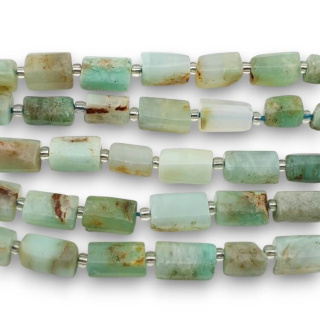
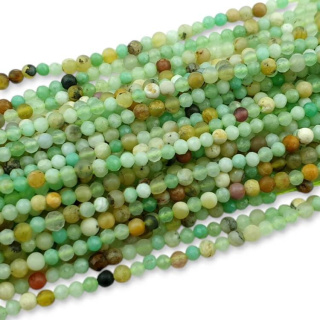
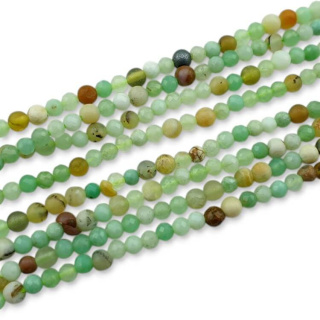
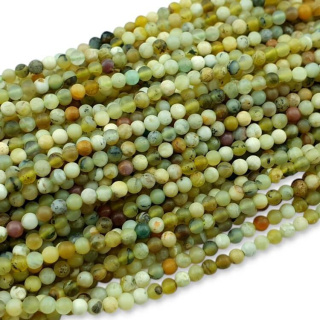
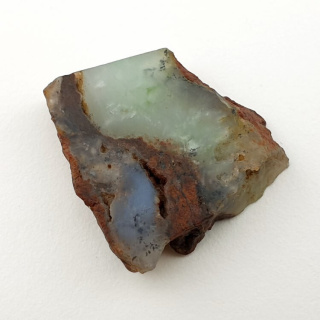
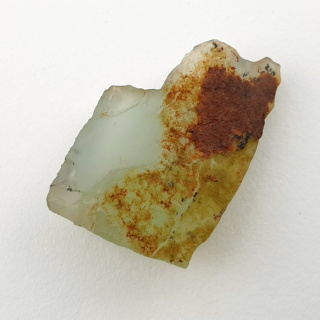
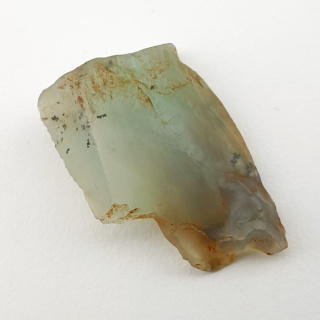
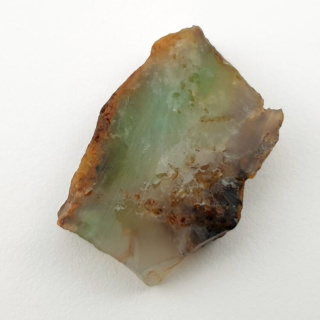
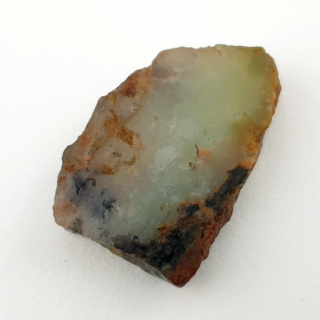
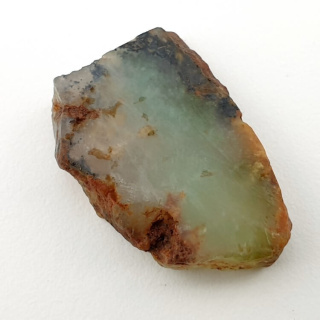
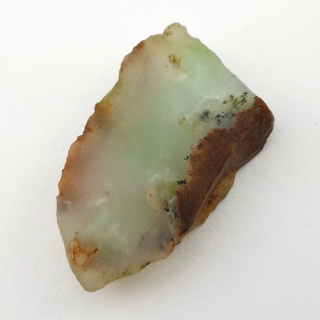
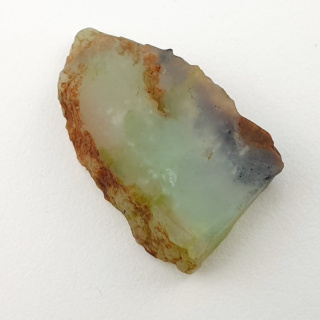
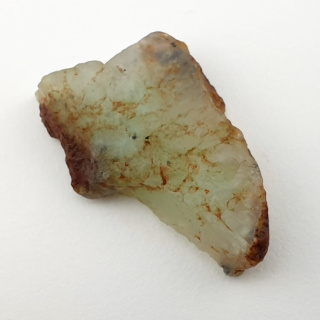
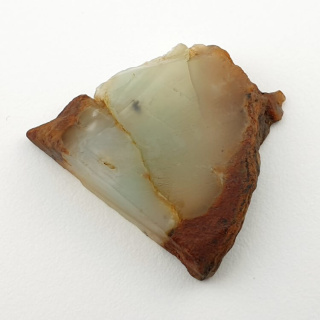
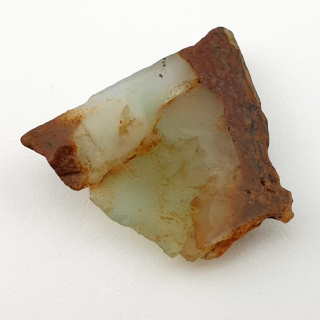
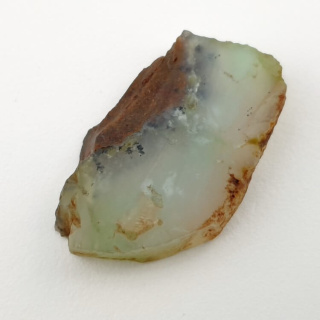
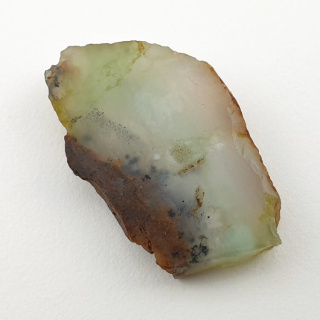
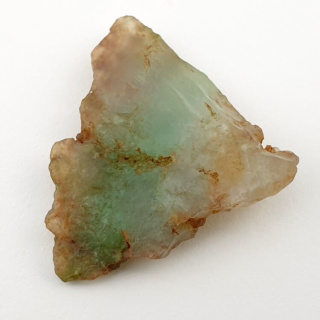
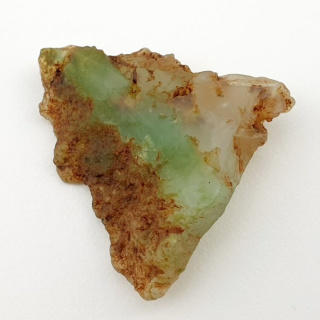
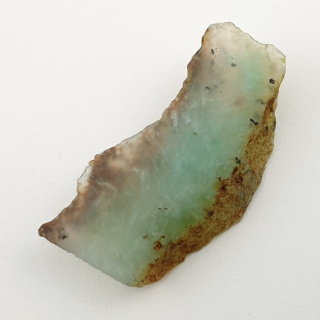
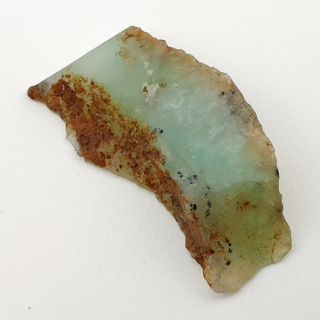
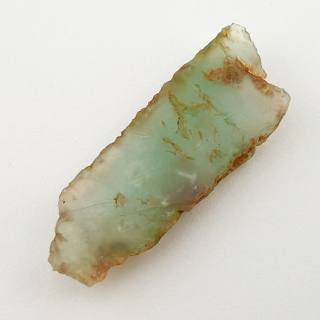
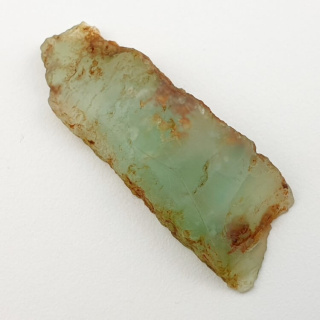
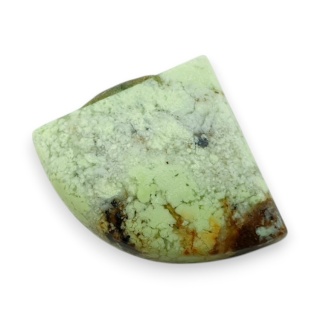
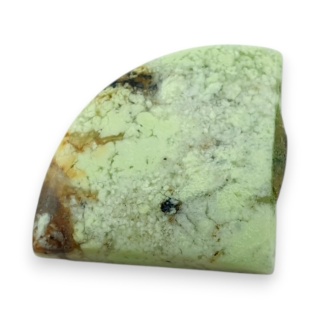
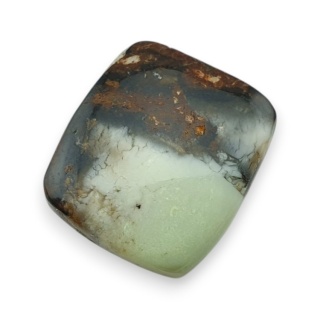
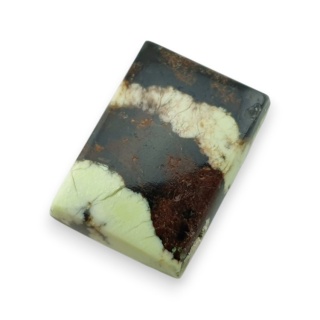
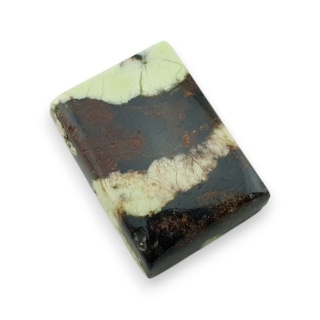
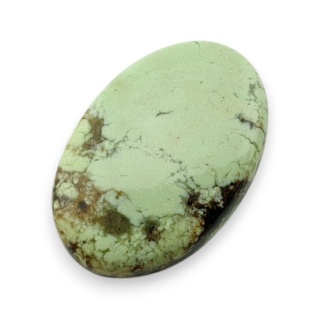
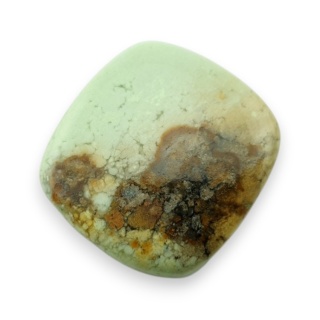
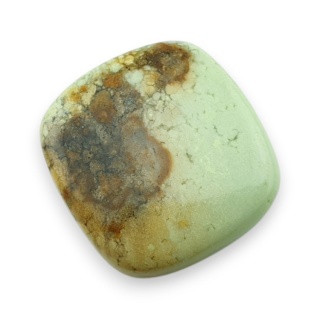
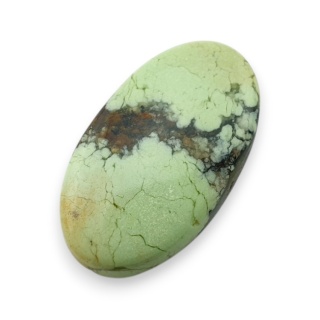
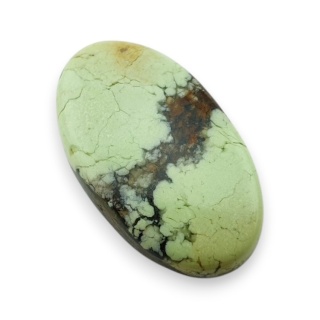
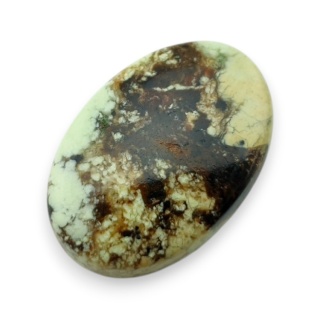
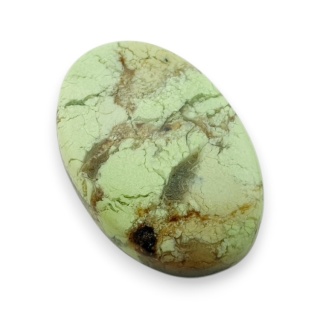
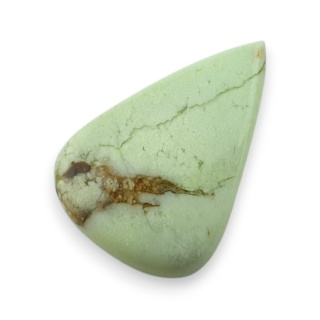
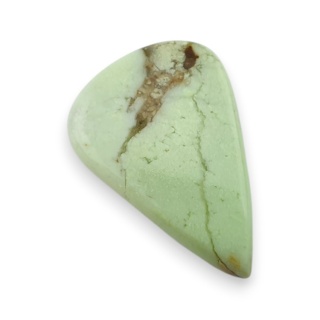
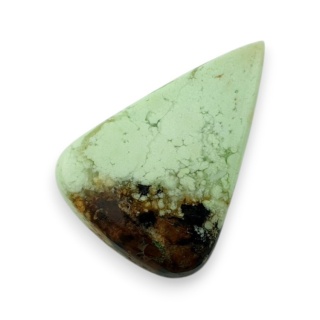
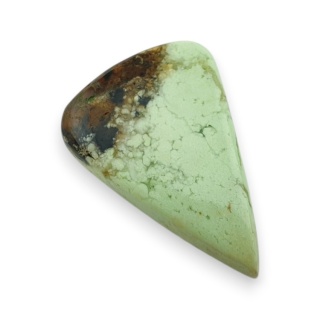
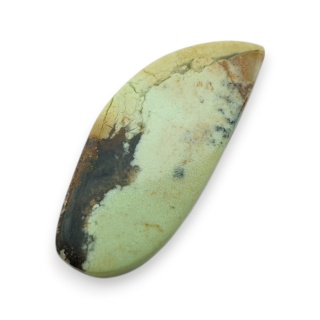
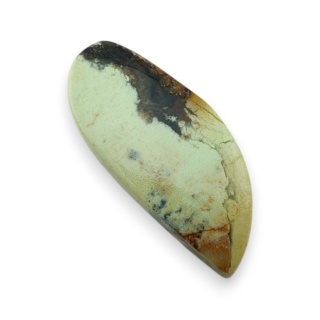
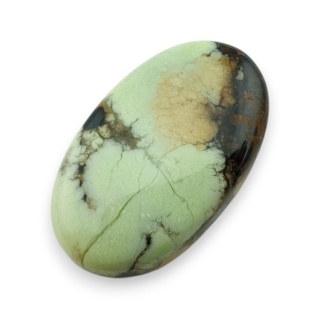
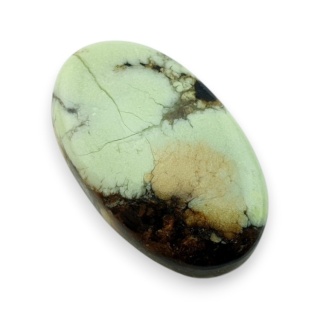
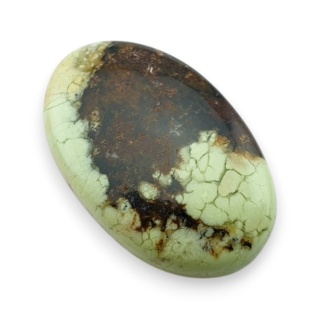
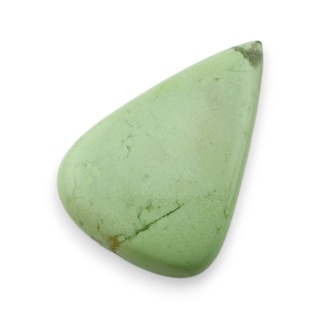
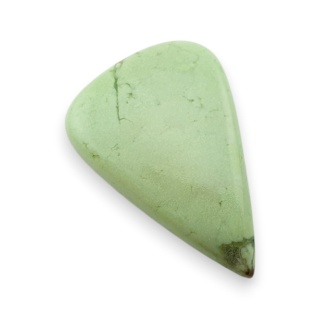
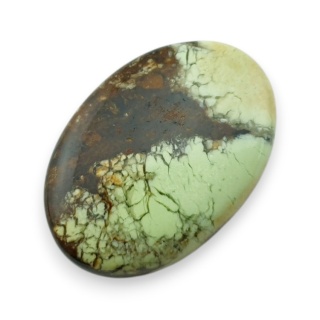
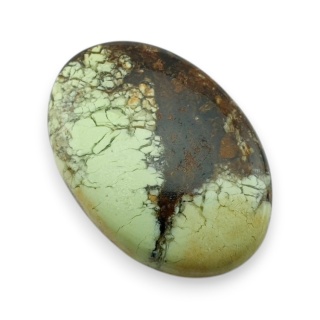
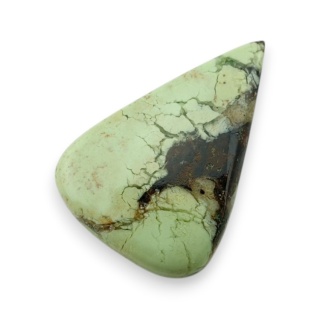
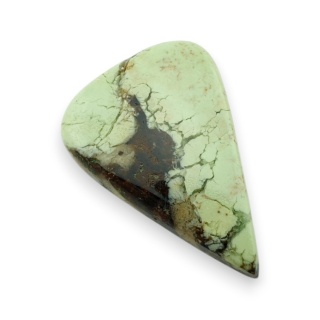
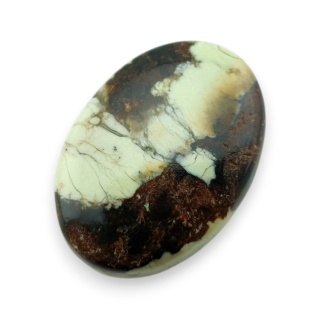
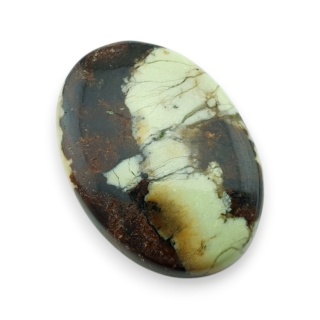
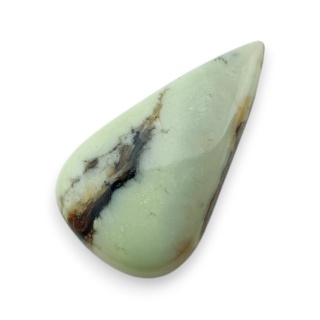
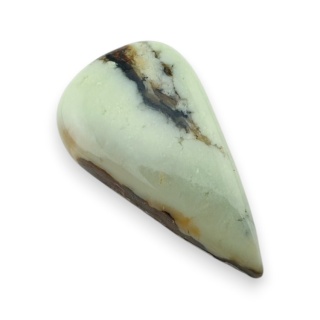
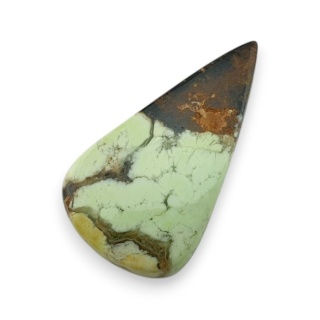
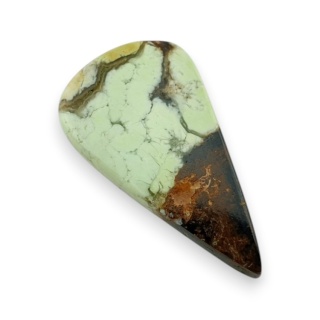
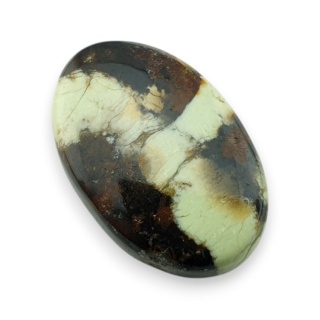
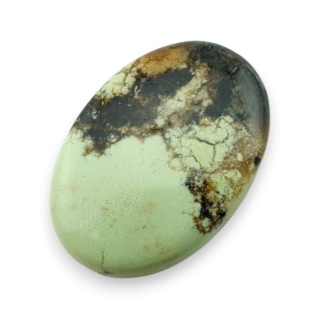
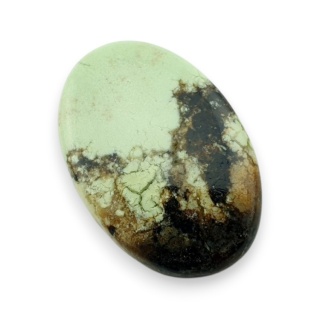
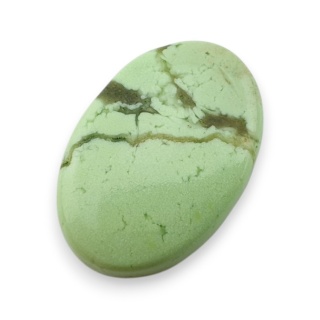
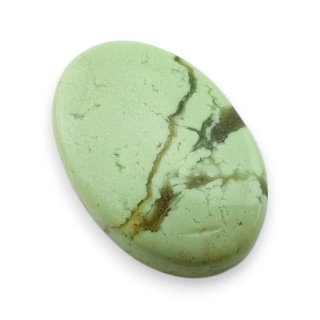
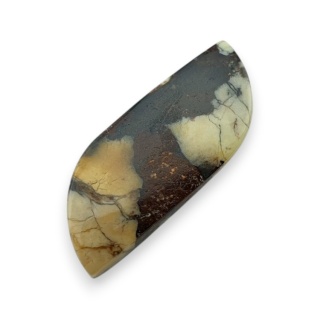
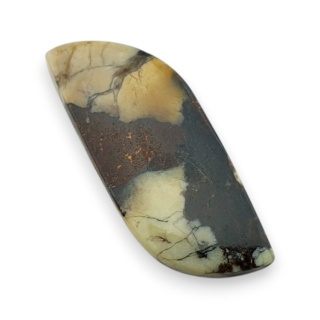
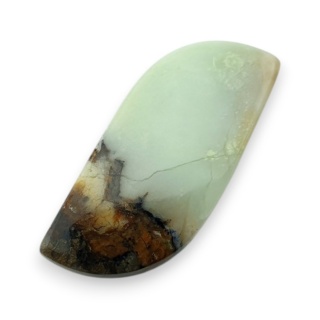
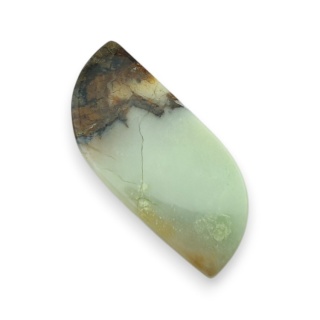
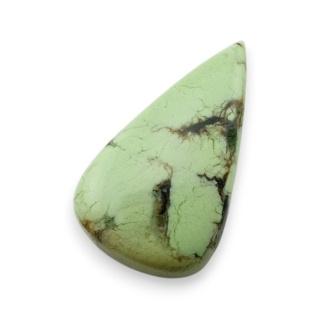
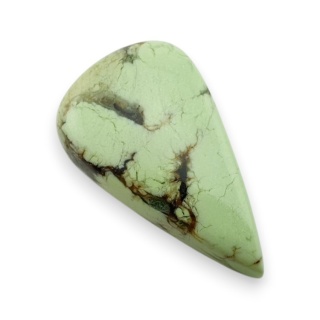
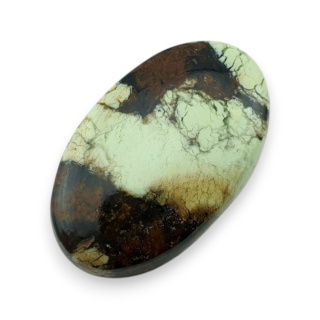
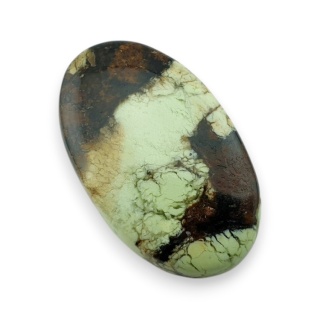
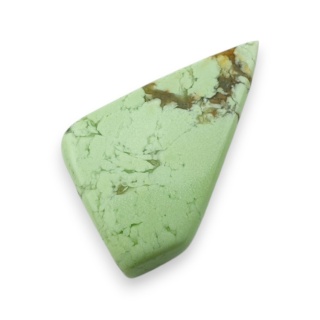
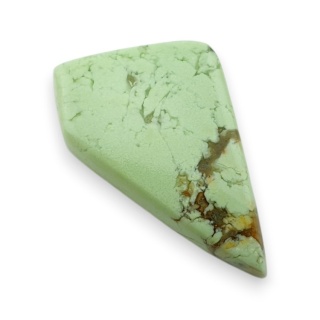
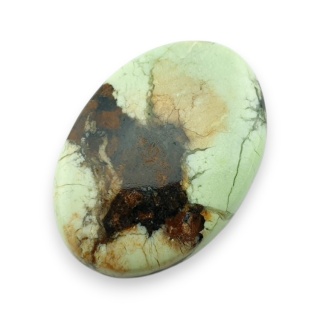
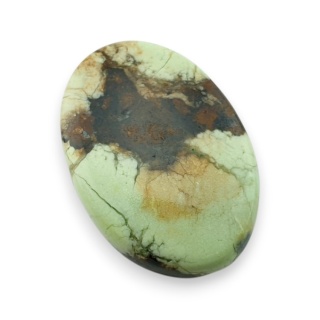
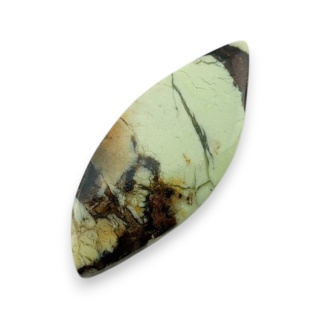
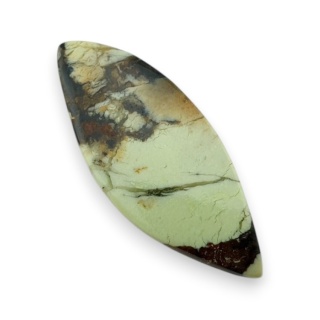
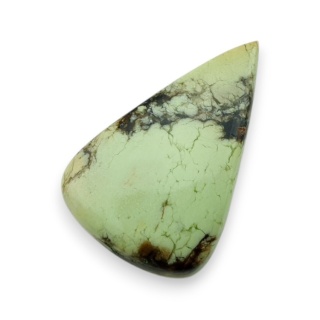
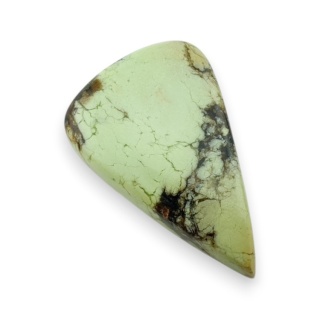
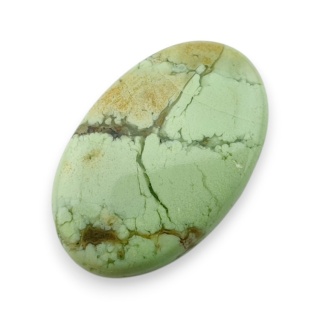
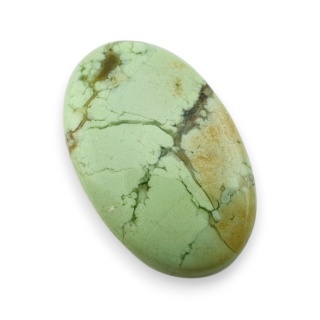
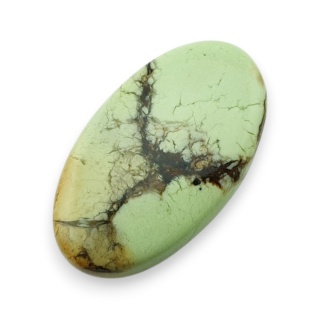
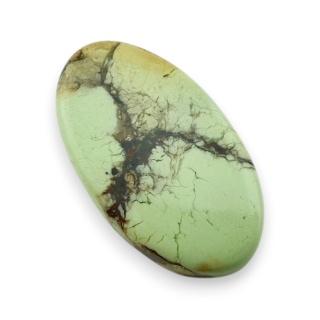
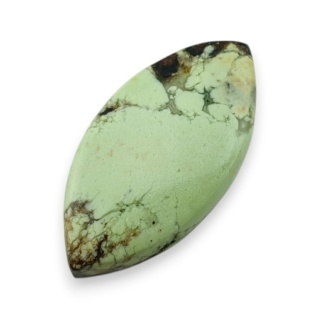
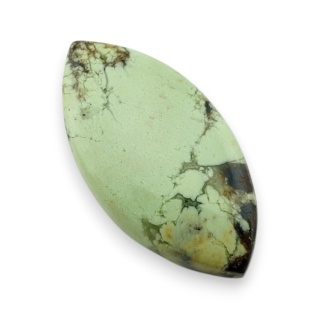
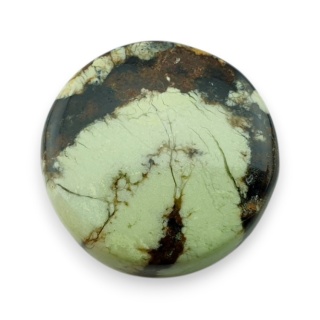
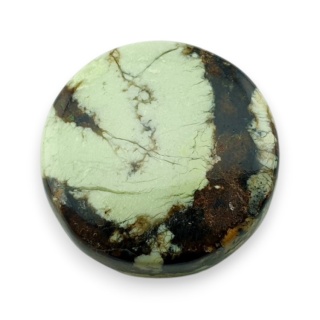
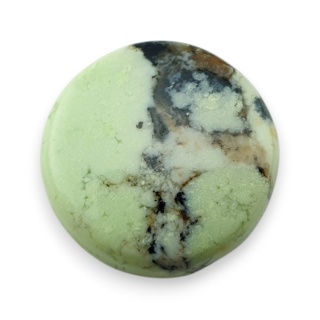
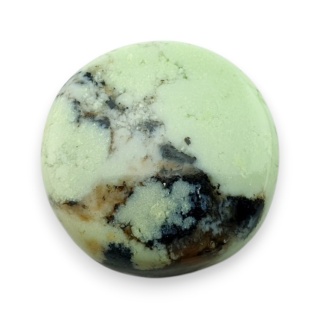
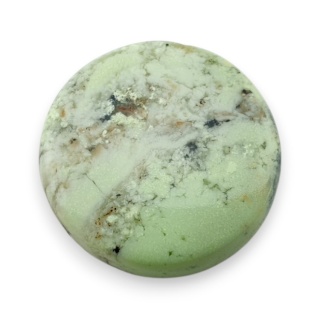
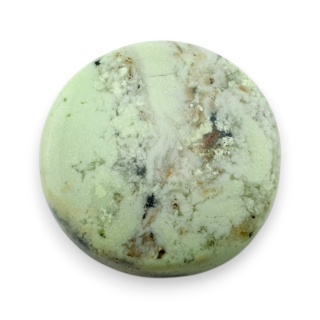
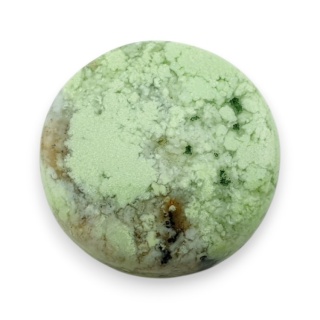
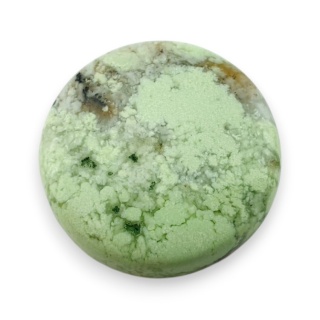
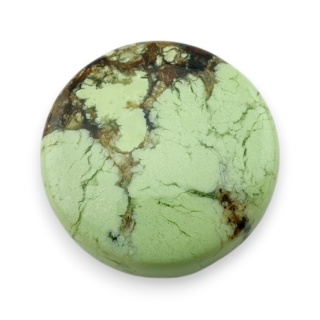
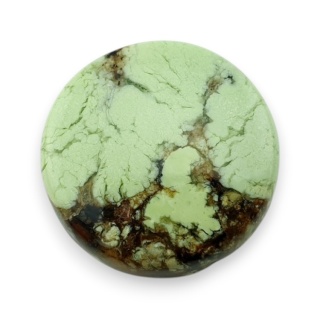
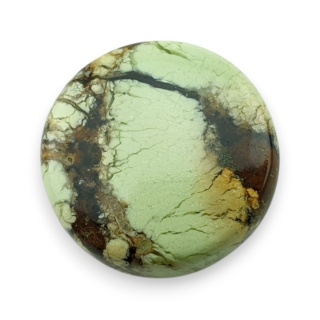
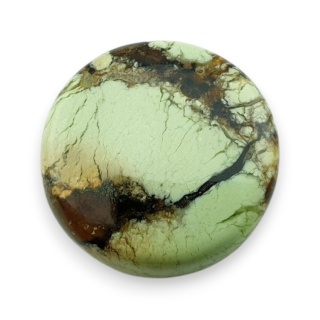
Liczba produktów: 166Zielony minerał chryzopraz to odmiana kryptokrystalicznego krzemianu niklu i magnezu, stanowiąca rodzaj kamienia szlachetnego. Jest to minerał z grupy krzemianów. Nazwa chryzoprazu pochodzenia greckiego oznacza " zielone złoto", co odnosi się do charakterystycznej zielonej barwy kamienia.
Zielony kamień chryzopraz jest stosowany w jubilerstwie, zwłaszcza w produkcji biżuterii, ze względu na swoją atrakcyjną barwę i połysk. Jest to kamień o różnorodnych odcieniach zieleni, zazwyczaj od bla
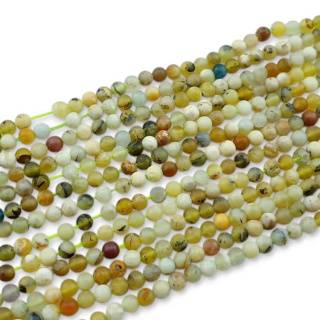
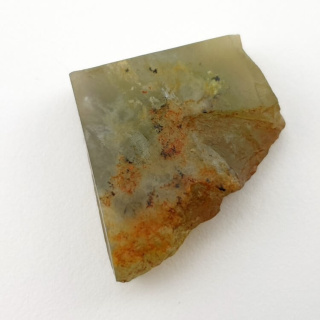
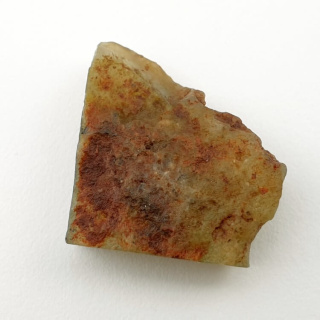
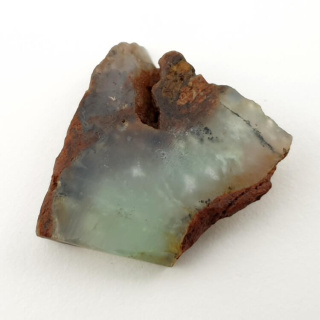



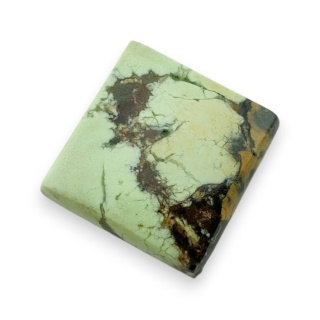
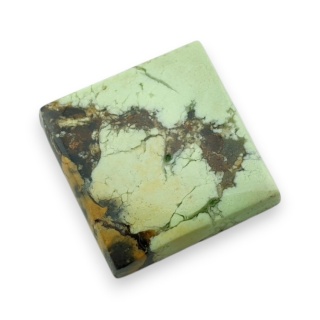
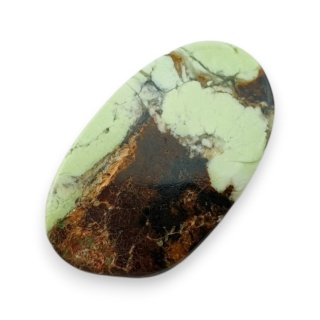
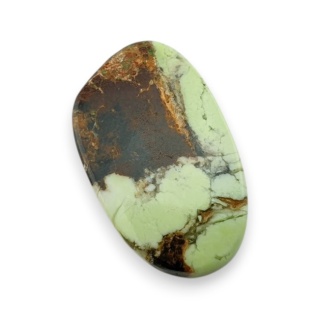







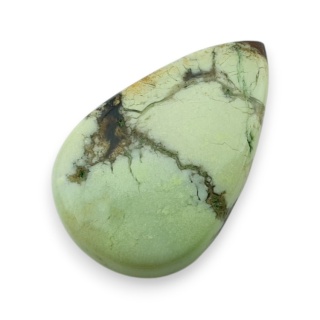
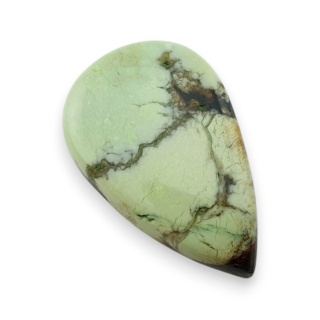
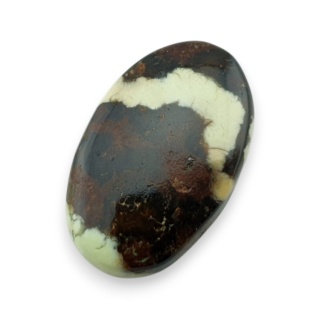

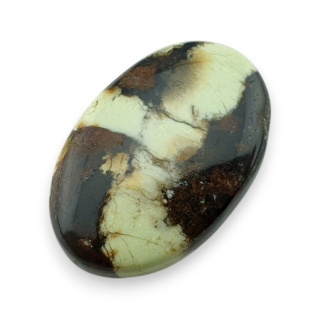
Chryzopraz - charakterystyka
Najważniejsze cechy charakterystyczne minerału chryzoprazu to:
- Kolor: Zielony kamień chryzopraz jest zazwyczaj charakteryzowany przez intensywny kolor, który może obejmować różne odcienie, od bladego zieleni do głębokiego zielonego jabłka.
- Przezroczystość: Może mieć różne stopnie przezroczystości, od przejrzystego do półprzezroczystego.
- Połysk: Dzięki swojej strukturze krystalicznej, chryzopraz wykazuje zazwyczaj połysk szklisty lub tłusty.
- Twardość: W skali twardości Mohsa, chryzopraz zazwyczaj osiąga wartość od 6,5 do 7, co oznacza, że jest stosunkowo trwały i trudny do zarysowania.
- Wzór krystalograficzny: Chryzopraz należy do grupy krzemianów, a jego skład chemiczny obejmuje głównie krzemiany niklu i magnezu.
- Wzór strukturalny: Jest to odmiana kryptokrystalicznego krzemianu, co oznacza, że ma mikroskopijne lub niemal mikroskopijne ziarna, co sprawia, że jego struktura jest mniej regularna niż w przypadku krystalicznych minerałów.
Te cechy pozwalają na identyfikację i odróżnienie chryzoprazu od innych kamieni szlachetnych i półszlachetnych.
Gdzie występują główne złoża chryzoprazu?
Główne światowe złoża chryzoprazu występują w różnych regionach świata, a niektóre z najważniejszych lokalizacji to:
- Australia: Australia jest jednym z głównych producentów cennego kamienia szlachetnego chryzoprazu na świecie. Złoża tego minerału znajdują się głównie w zachodniej Australii, w rejonie Yilgarn Craton.
- Rosja: Złoża chryzoprazu znajdują się również w Rosji, zwłaszcza na Syberii i Uralu.
- Brazylia: Brazylia jest kolejnym ważnym źródłem wydobycia. Chryzoprazowe złoża tego kamienia występują w różnych częściach kraju, w tym w stanach Minas Gerais i Bahia.
- USA: Chryzoprazowe złoża występują również w Stanach Zjednoczonych. Najważniejsze znajdują się w stanie Kalifornia.
- Południowa Afryka: Znane są także złoża chryzoprazu w Południowej Afryce, zwłaszcza w rejonie Transwalu.
Ponadto, zielone złoto chryzopraz występuje również w niektórych innych krajach, takich jak Polska, Niemcy, Indie, Kanada i Madagaskar, chociaż nie w tak dużych ilościach jak w wymienionych powyżej regionach.
Jaka jest historia chryzoprazu w jubilerstwie i rzemiośle artystycznym?
Chryzopraz ma długą historię stosowania w jubilerstwie i rzemiośle artystycznym, sięgającą starożytności. Oto kilka istotnych momentów z historii jego wykorzystania:
- Starożytny Egipt: Zielony minerał chryzopraz był ceniony przez starożytnych Egipcjan, którzy używali go do wyrobu amuletów, rzeźb oraz ozdób. Wierzono, że kamień ten posiada magiczne właściwości i przynosi szczęście swojemu posiadaczowi.
- Grecja i Rzym: W starożytnej Grecji i Rzymie chryzopraz był również ceniony jako kamień ozdobny. Używano go do wyrobu intaglii, czyli rzeźbionych kamieni szlachetnych, oraz do dekorowania biżuterii i innych dzieł sztuki.
- Renesans: W okresie renesansu wysokiej jakości chryzopraz ponownie zyskał popularność w Europie, szczególnie we Włoszech, gdzie był używany do wyrobu kamieni szlachetnych o wysokiej jakości, przeznaczonych dla arystokracji i kleru.
- XIX i XX wiek: W epoce wiktoriańskiej oraz w okresie art déco w XX wieku chryzopraz był często wykorzystywany do produkcji biżuterii o charakterystycznym, dekoracyjnym stylu, który odzwierciedlał estetykę tamtych epok.
Dzięki swojej atrakcyjnej zielonej barwie oraz symbolicznemu znaczeniu przypisywanemu przez różne kultury, chryzopraz cieszył się kontynuowaną popularnością w różnych okresach historycznych. Obecnie jest nadal stosowany w jubilerstwie, zarówno w tradycyjnych, jak i nowoczesnych projektach biżuterii.
Chryzopraz ulubiony kamień Egipcjan
Naturalny kamień chryzopraz miał duże znaczenie w starożytnym Egipcie i był uważany za jeden z ulubionych kamieni szlachetnych w tej kulturze. Egipcjanie cenili zielony chryzopraz ze względu na jego intensywny kolor oraz wierzenia związane z jego właściwościami magicznymi i duchowymi. Kamień ten był często używany do wyrobu amuletów, ozdób, rzeźb oraz innych przedmiotów o symbolicznym znaczeniu.
W starożytnym Egipcie zielony chryzopraz był często łączony z wiarą w życie pozagrobowe i był uważany za symbol trwałości, młodości, płodności oraz odrodzenia. Wierzyli, że noszenie biżuterii z chryzoprazem może zapewnić ochronę przed złymi duchami oraz przynieść szczęście i dobrobyt.
Dodatkowo, w egipskiej mitologii, zieleń była często kojarzona z oazami, z których płynęła woda, co czyniło kolor zielony symbolizującym życiodajność i płodność. W związku z tym chryzopraz, ze względu na swój intensywny zielony kolor, mógł być kojarzony z życiem i odrodzeniem, co czyniło go kamieniem o szczególnym znaczeniu w kulturze egipskiej.
Chryzopraz - charakterystyka
Naturalny kamień chryzopraz to kamień szlachetny o unikalnych cechach i właściwościach. Oto charakterystyka tego kamienia:
- Kolor: Charakterystyczny dla chryzoprazu jest intensywny zielony kolor, który może się różnić od bladego, delikatnego odcienia zielonego do intensywnego, głębokiego odcienia zielonego jabłka.
- Twardość: W skali twardości Mohsa chryzopraz osiąga wartość od 6,5 do 7, co oznacza, że jest stosunkowo trwały i mniej podatny na zarysowania w porównaniu z niektórymi innymi kamieniami szlachetnymi.
- Połysk: Kamień ten wykazuje połysk szklisty lub tłusty, co dodaje mu atrakcyjności i elegancji.
- Skład chemiczny: Chryzopraz to odmiana kryptokrystalicznego krzemianu niklu i magnezu, co czyni go minerałem z grupy krzemianów.
- Pochodzenie: Główne złoża chryzoprazu występują w Australii, Rosji, Brazylii, Stanach Zjednoczonych i Południowej Afryce, chociaż kamień ten może być również znaleziony w innych regionach.
- Zastosowania: Soczyście zielony chryzopraz jest wykorzystywany głównie w jubilerstwie do produkcji biżuterii, rzeźb i ozdób. Ma także zastosowanie w praktykach duchowych i medytacyjnych, gdzie przypisuje mu się pozytywne właściwości energetyczne.
Chryzopraz, ze względu na swoje wyjątkowe cechy i bogatą historię, cieszy się znacznym zainteresowaniem zarówno w jubilerstwie, jak i w dziedzinach związanych z medycyną naturalną i praktykami duchowymi.
Jak pielęgnować biżuterię z chryzoprazu?
Aby utrzymać biżuterię z chryzoprazem w dobrym stanie, należy przestrzegać kilku zaleceń dotyczących pielęgnacji i czyszczenia. Oto kilka wskazówek:
- Unikaj kontaktu z twardymi powierzchniami: Chroń biżuterię z chryzoprazem przed bezpośrednim kontaktem z twardymi powierzchniami, aby uniknąć zarysowań lub uszkodzeń kamienia.
- Unikaj kontaktu z substancjami chemicznymi: Unikaj kontaktu biżuterii z chryzoprazem z agresywnymi substancjami chemicznymi, takimi jak detergenty, środki czyszczące, czy kosmetyki, ponieważ mogą one uszkodzić kamień.
- Regularne czyszczenie: Regularnie czyść biżuterię z chryzoprazem miękką, suchą szmatką, aby usunąć zanieczyszczenia i osad. Można także użyć delikatnego mydła i ciepłej wody, ale należy unikać zanurzania kamienia w wodzie przez dłuższy czas.
- Ostrożność przy noszeniu: Należy nosić biżuterię z chryzoprazem ostrożnie, unikając narażenia na uderzenia i inne mechaniczne uszkodzenia.
- Przechowywanie w odpowiedni sposób: Gdy biżuteria nie jest noszona, powinna być przechowywana oddzielnie od innych przedmiotów, najlepiej w miękkiej torbie lub pudełku z tkaniny, aby uniknąć zarysowań lub uszkodzeń.
- Regularne kontrole: Regularnie sprawdzaj biżuterię z chryzoprazem, aby upewnić się, że kamień jest dobrze osadzony i nie ma żadnych widocznych uszkodzeń.
Przestrzeganie tych zaleceń pomoże zachować biżuterię z chryzoprazem w dobrym stanie na dłuższy czas i zachować jej naturalny blask i wygląd.
Jakie są zastosowania chryzoprazu poza jubilerstwem?
Chryzopraz znajduje zastosowanie nie tylko w jubilerstwie, ale również w innych obszarach ze względu na swoje właściwości i charakterystykę. Oto kilka głównych zastosowań chryzoprazu poza jubilerstwem:
- Przemysł dekoracyjny: Ze względu na swoją atrakcyjną zieloną barwę i połysk, chryzopraz jest wykorzystywany w przemyśle dekoracyjnym do wyrobu ozdób, rzeźb i innych dzieł sztuki.
- Przemysł medycyny alternatywnej: W niektórych tradycjach medycyny alternatywnej kamień ten jest stosowany do terapii kamieniami, a także w praktykach związanych z dobrostanem emocjonalnym i duchowym.
- Przemysł kolekcjonerski: Ze względu na swoją rzadkość i atrakcyjność chryzopraz jest ceniony wśród kolekcjonerów minerałów i kamieni szlachetnych, którzy poszukują unikalnych i rzadkich okazów.
- Rzemiosło artystyczne: Artystyczne wykorzystanie chryzoprazu obejmuje tworzenie rzeźb, witraży, oraz innych dzieł sztuki, w których wykorzystuje się jego niezwykłą barwę i teksturę.
- Praktyki duchowe i medytacyjne: W niektórych praktykach duchowych i medytacyjnych chryzopraz jest stosowany do wspierania równowagi emocjonalnej, medytacji i wzmocnienia duchowego rozwoju.
Chryzopraz jest ceniony nie tylko ze względu na swoją estetykę, ale także ze względu na przypisywane mu właściwości duchowe i emocjonalne, co sprawia, że ma zastosowanie w różnych dziedzinach poza jubilerstwem.
Jakie właściwości metafizyczne przypisuje się chryzoprazowi?
W różnych kulturach i tradycjach chryzoprazowi przypisuje się różnorodne właściwości metafizyczne. Oto niektóre z nich:
- Spokój emocjonalny: Wierzy się, że chryzopraz może przynieść spokój i harmonię emocjonalną, a także łagodzić stres i lęki.
- Relacje międzyludzkie: Kamień ten jest często kojarzony z miłością, przyjaźnią oraz dobrymi relacjami międzyludzkimi. Wierzy się, że może wspierać więzi emocjonalne i wzmacniać zaufanie w relacjach.
- Kreatywność: Soczyście zielony chryzopraz jest uważany za kamień pobudzający kreatywność i inspirację artystyczną.
- Ochrona: W niektórych tradycjach uważa się, że chryzopraz ma właściwości ochronne i może chronić swojego posiadacza przed negatywnymi wpływami oraz przynosić szczęście i pomyślność.
- Uzdrawianie: Wierzy się, że chryzopraz wspomaga osoby potrzebujące uzdrawiania, zarówno fizycznego, jak i emocjonalnego, poprzez stymulację witalności i pozytywnej energii.
- Jasność umysłu: Kamień ten może pomagać w poprawie koncentracji i jasności umysłu, co przyczynia się do lepszego podejmowania decyzji oraz rozwiązywania problemów.
Warto zaznaczyć, że te właściwości metafizyczne nie są naukowo udowodnione i oparte są głównie na wierzeniach oraz tradycji związanych z kamieniami szlachetnymi i minerałami.
Energetyzowanie wody pitnej chryzoprazem – czy to pomaga?
Energetyzowanie wody pitnej chryzoprazem jest jedną z praktyk alternatywnej medycyny, opartą na wierzeniach związanych z właściwościami kamieni szlachetnych. Chociaż nie ma na to naukowych dowodów, niektórzy ludzie wierzą, że chryzopraz może przyczynić się do poprawy jakości wody i jej energetyzacji. Jeśli chcesz spróbować tej praktyki, możesz postępować zgodnie z poniższymi krokami:
- Wybór odpowiedniego kamienia: Wybierz chryzopraz wysokiej jakości, który jest gładki i nie posiada ostrych krawędzi, co mogłoby spowodować zanieczyszczenie wody.
- Oczyszczenie kamienia: Przed użyciem należy dokładnie oczyścić chryzopraz, aby usunąć wszelkie zanieczyszczenia, które mogłyby negatywnie wpłynąć na wodę.
- Przygotowanie naczynia: Umieść czysty, niearomatyzowany pojemnik z wodą pitną w pobliżu chryzoprazu. Może to być szklanka, dzbanek lub butelka do wody.
- Energetyzacja: Pozwól, aby chryzopraz dotykał naczynia z wodą przez około 6-8 godzin lub nawet dłużej. W tym czasie wierzy się, że energia chryzoprazu przenika do wody, nadając jej korzystne właściwości.
- Konsumpcja wody: Po zakończeniu procesu energetyzacji możesz pić wodę, która miała kontakt z chryzoprazem. Niektórzy ludzie uważają, że ma ona korzystny wpływ na ich samopoczucie i zdrowie.
Pamiętaj, że praktyki alternatywnej medycyny, takie jak energetyzowanie wody kamieniami szlachetnymi, nie są potwierdzone naukowo, dlatego zawsze warto zachować ostrożność i zdrowy rozsądek. Jeśli masz jakiekolwiek wątpliwości, skonsultuj się z lekarzem lub specjalistą medycyny naturalnej.