![[{[item.product.name]}]]([{[item.product.photo.url]}] 75w)
Do bezpłatnej dostawy brakuje: -,--
Podsumowanie zamówienia
Suma 0 zł
Cena uwzględnia rabaty

Koraliki heishi – płaskie dyski z kamieni naturalnych, muszli i hematytu
Liczba produktów: 48Koraliki heishi to charakterystyczne, płaskie i najczęściej okrągłe elementy biżuteryjne, które od wieków wykorzystywane są w rękodziele jubilerskim. Ich nazwa pochodzi od języka rdzennych ludów Pueblo z Nowego Meksyku i oznacza „muszlę”. Pierwotnie bowiem heishi wykonywane były z naturalnych materiałów – muszli, turkusów czy kości. Dziś spotykamy je w różnych odmianach: z kamieni naturalnych, minerałów, metalu, drewna, masy perłowej, a także z nowoczesnych tworzyw sztucznych takich jak polimer czy żywica.
Co wyróżnia koraliki heishi?
- Kształt i forma – najczęściej płaskie dyski o regularnej średnicy, nawlekane jeden obok drugiego tworzą efekt przypominający jednolitą taśmę lub tubę.
- Różnorodność materiałów – od tradycyjnych muszli i kamieni naturalnych (np. opal, hematyt, jaspis) po nowoczesne koraliki akrylowe czy silikonowe.
- Kolorystyka – bogata paleta barw: naturalne odcienie minerałów, barwy pastelowe, neonowe i metaliczne.
- Wszechstronność – idealne do tworzenia naszyjników, bransoletek, kolczyków czy chokersów.
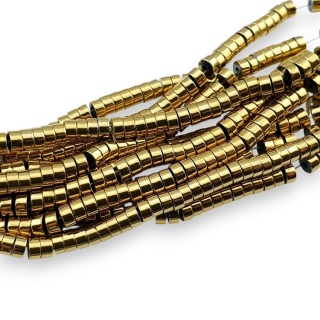
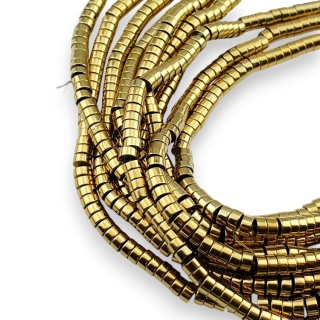


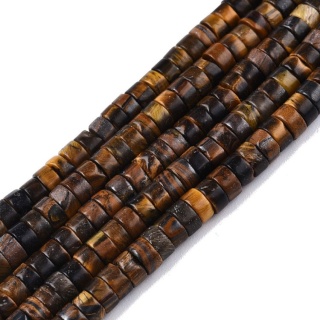
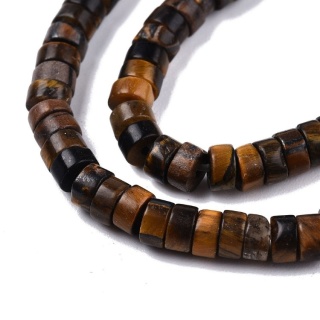
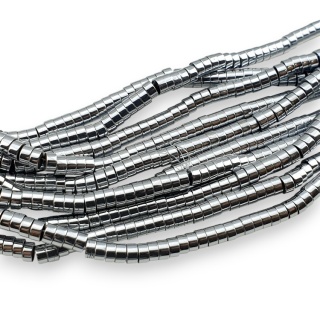
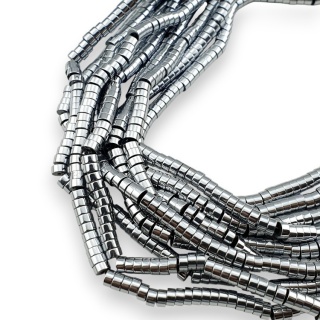


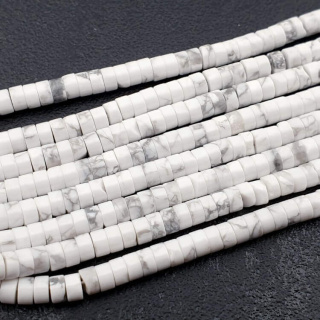
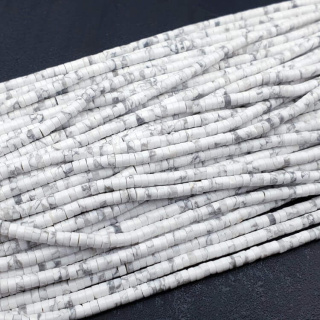
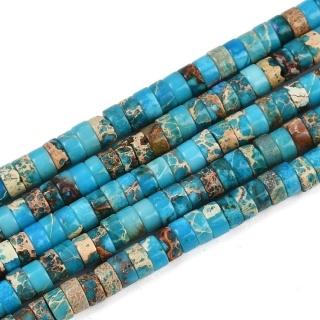
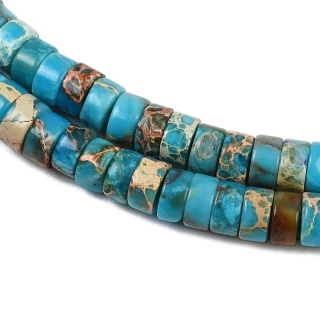
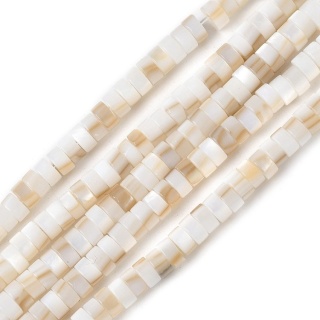
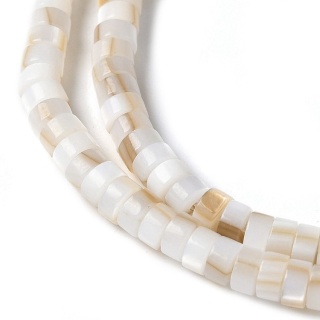

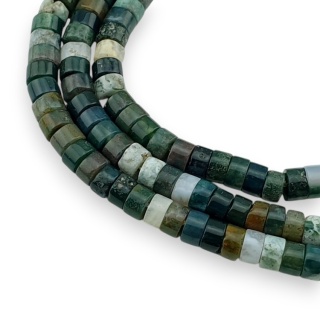
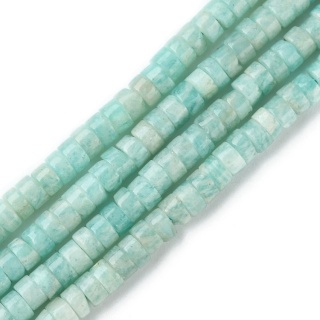
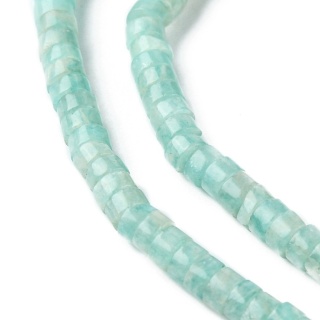
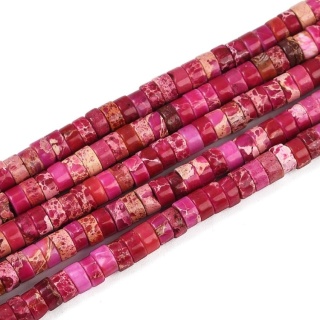

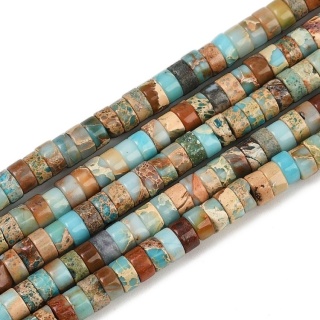
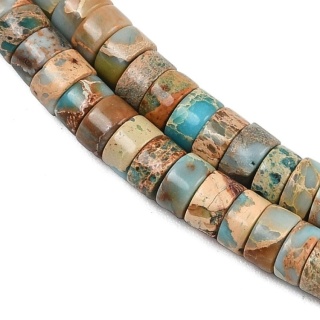

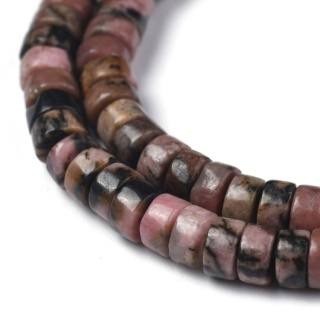
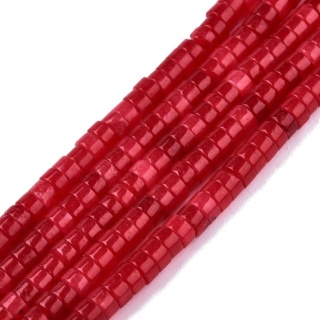
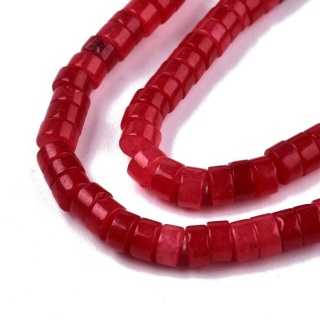
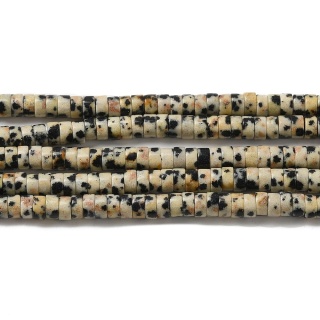
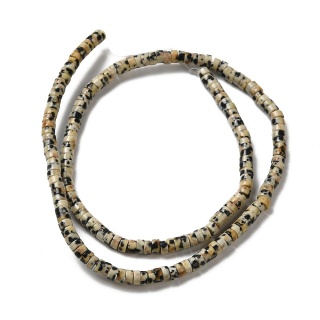
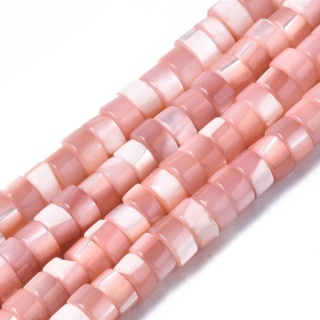
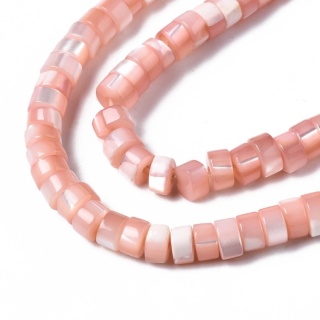
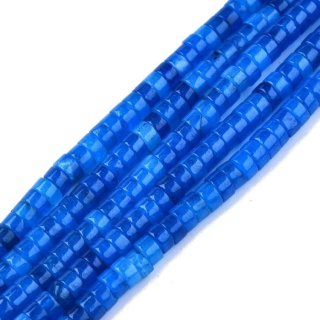
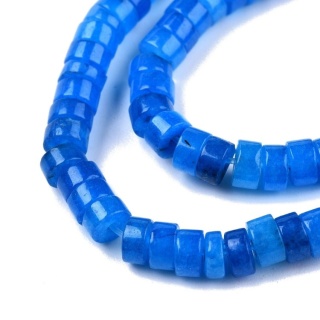


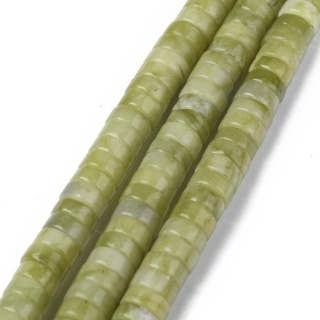
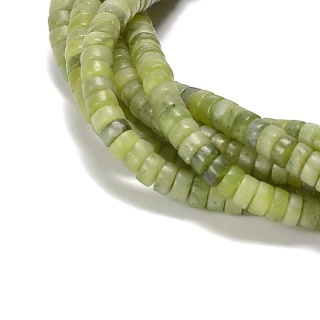
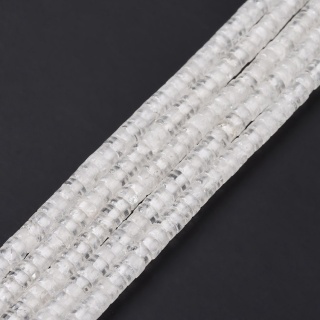
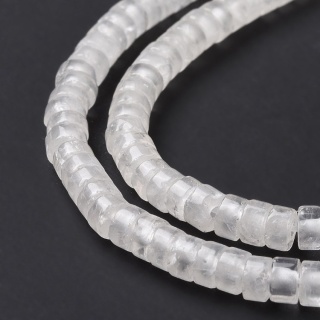

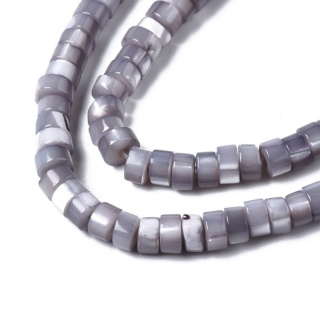
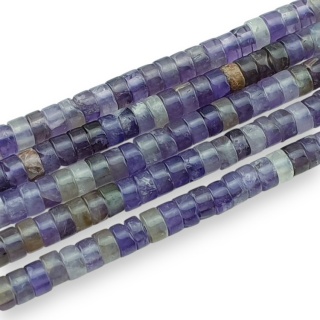
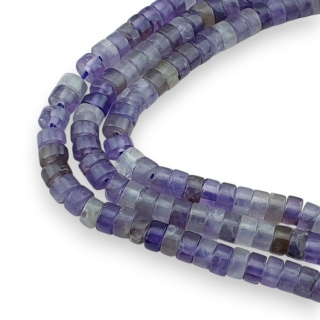
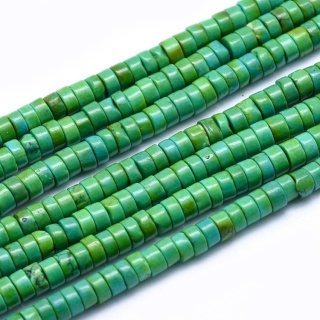


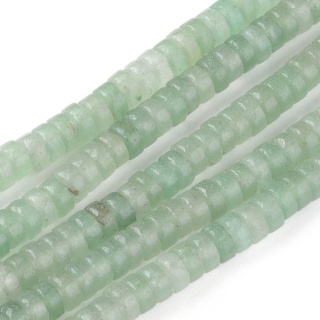
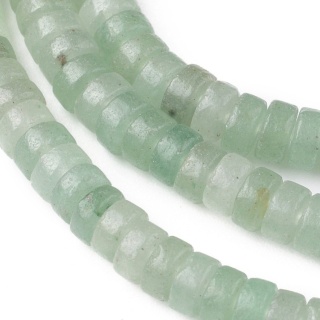
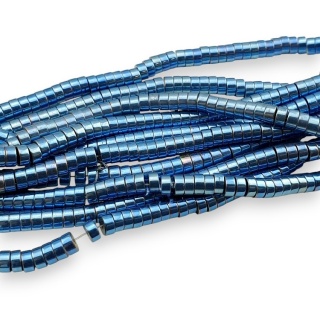
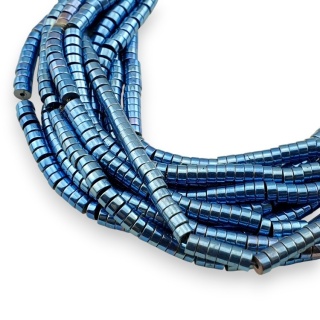


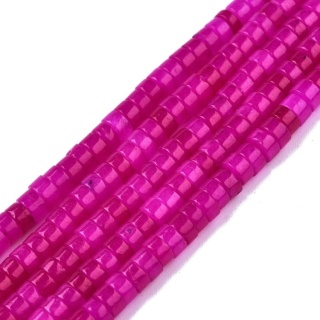

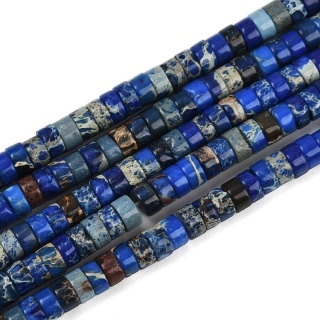
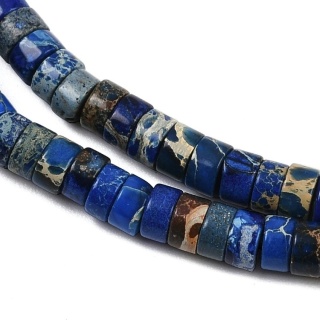
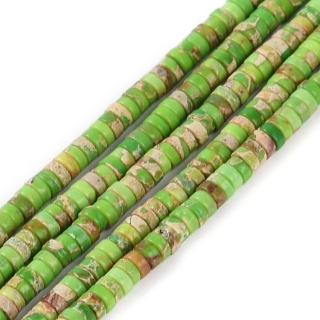
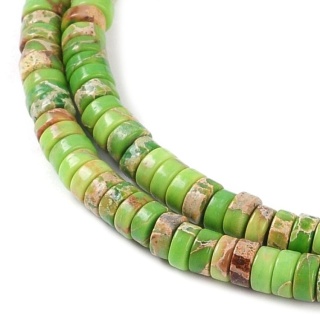

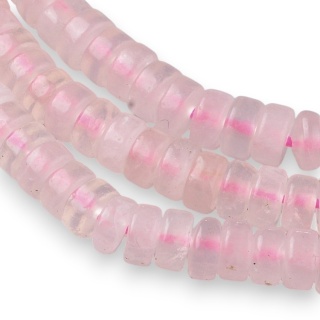
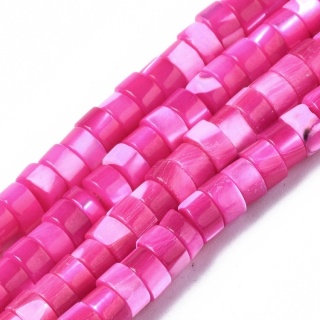
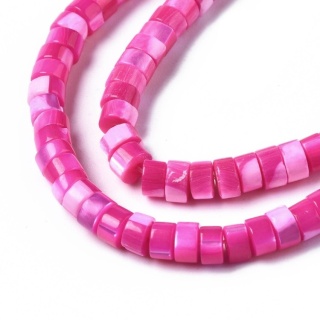
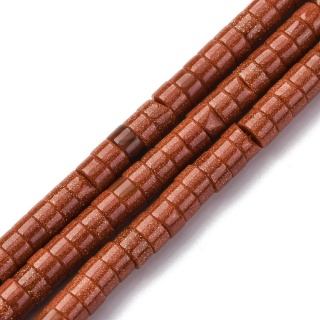

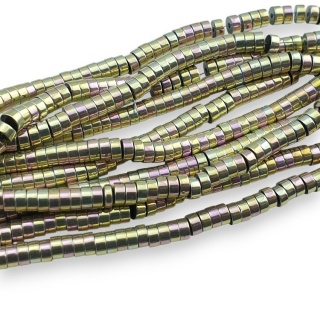
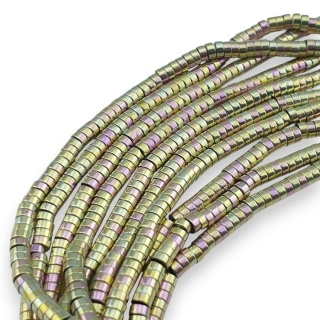
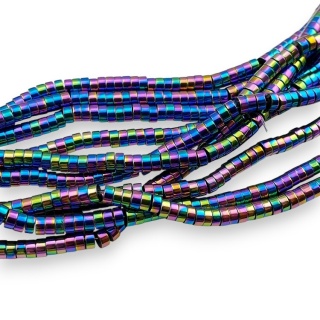
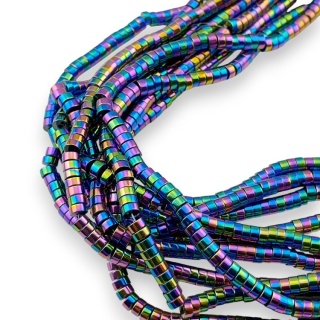
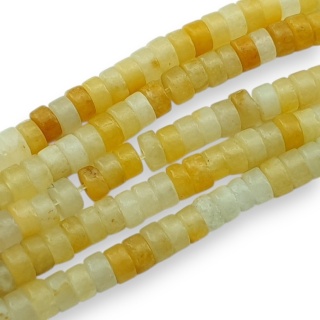
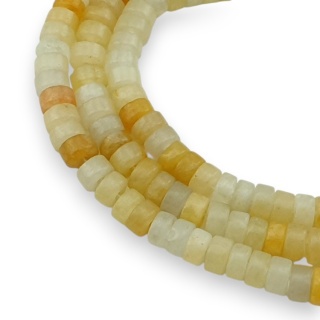

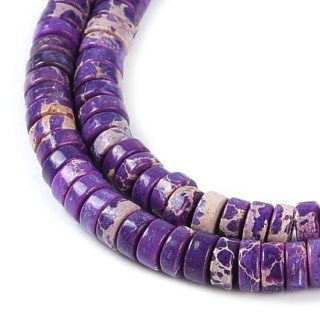
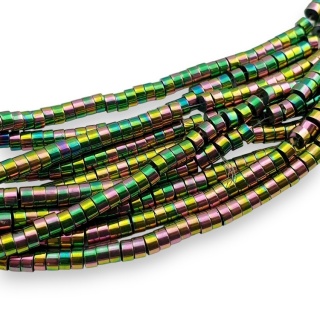
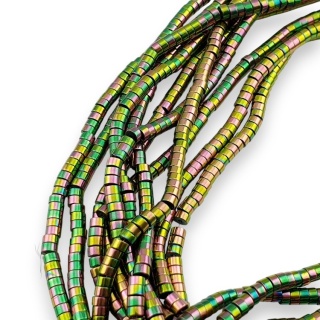
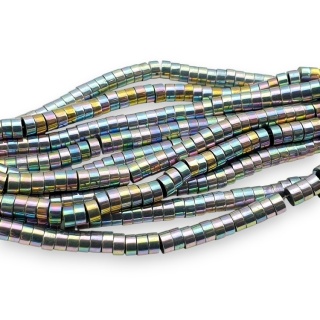
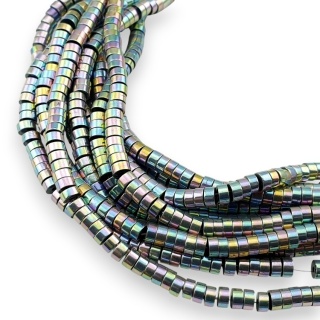
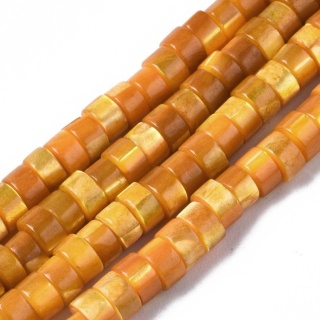
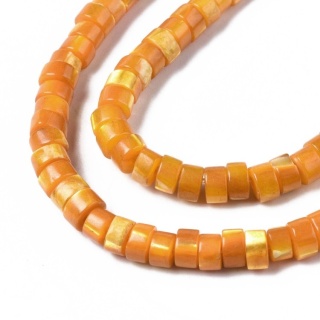
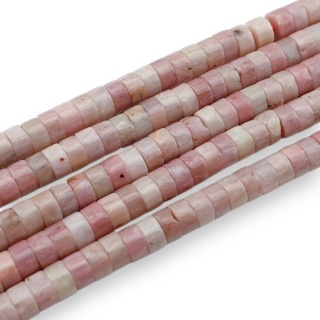

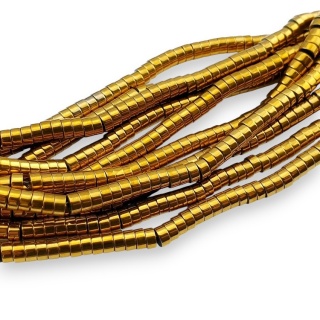
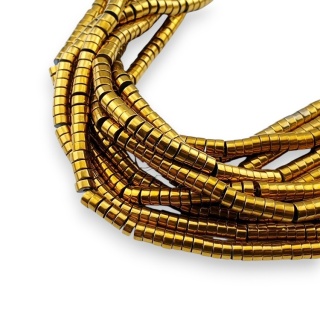

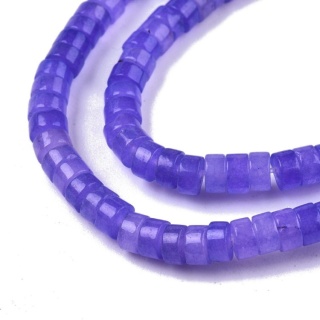
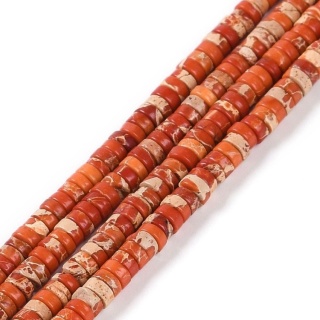
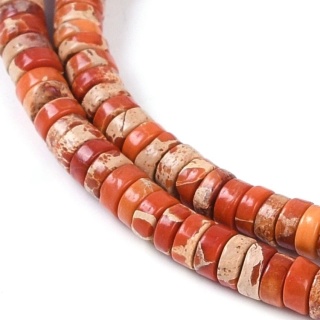
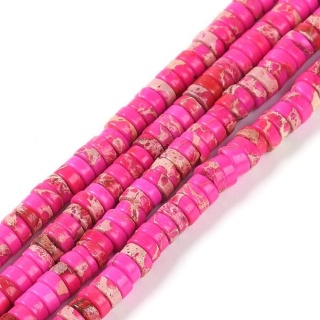
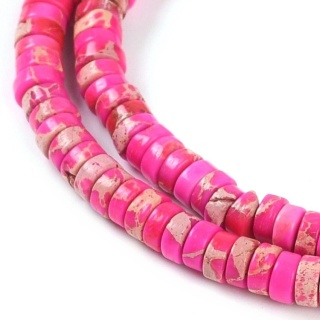
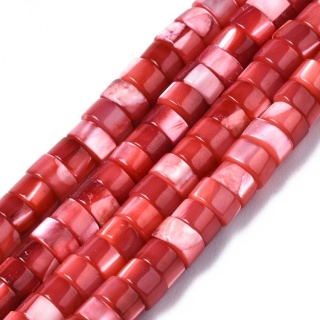
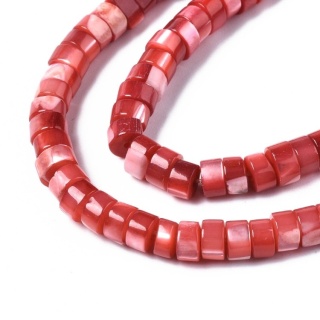

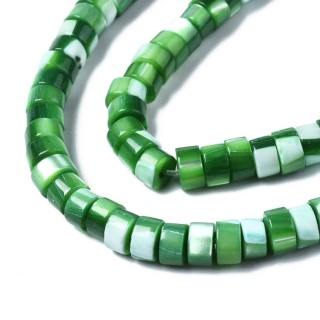
Koraliki heishi to cienkie, płaskie dyski, które po nawleczeniu tworzą równą, „taśmową” linię. Klasycznie wywodzą się z rzemiosła rdzennych ludów Pueblo (nazwa oznacza „muszlę”), dziś wykonywane są m.in. z hematytu (twardość 5,5–6,5 w skali Mohsa), jaspisu (6,5–7), howlitu (3,5), muszli/nacru (3,5–4) oraz z turkusu (często stabilizowanego).
Heishi są lekkie, wygodne i niezwykle uniwersalne: idealne do bransoletek na gumce, naszyjników i chokerów oraz kolczyków. Świetnie łączą się ze stalą chirurgiczną 316L, zapięciami, łącznikami i łapaczkami. Standardowy sznur ma zwykle 38–40 cm; do bransoletki 16 cm przy średniej grubości krążka ~1 mm potrzeba ok. 150–170 szt.
Wybierz średnicę pod projekt (2–4 mm – delikatnie, 6–8 mm – wyraźnie), zadbaj o średnicę otworu pod nośnik (gumka 0,6–1,0 mm, linka stalowa 0,35–0,45 mm, sznurek nylonowy 0,5–0,8 mm) i pamiętaj o naturalnych tolerancjach wymiarów (±0,3 mm) oraz możliwych modyfikacjach kamieni (barwienie, stabilizacja, powłoki IP/galwaniczne).
Koraliki heishi – definicja, parametry techniczne, dobór i zastosowanie w biżuterii handmade
Koraliki heishi to płasko szlifowane dyski o niewielkiej grubości, wiercone współosiowo i kalibrowane, które po szeregowym nawleczeniu układają się w gęstą, rytmiczną linię. Ich geometryczna regularność daje efekt gładkiego „węża” lub taśmy, odróżniając heishi od rondeli (bardziej obłe, często fasetowane) i od klasycznych kulek. Dzięki małej masie jednostkowej i niskiej sztywności układu idealnie dopasowują się do ciała, tworząc komfortowe w noszeniu bransoletki i naszyjniki.
Pochodzenie i nazewnictwo
Termin heishi (spotykana pisownia: heishe) wywodzi się z tradycji rzemieślniczej rdzennych społeczności Pueblo na południowym zachodzie Ameryki Północnej i pierwotnie odnosił się do ręcznie szlifowanych krążków z muszli, nacru i turkusu. Współcześnie określenie obejmuje także dyski z kamieni naturalnych, hematytu, drewna oraz nowoczesnych materiałów (np. polimerów) – w jubilerstwie artystycznym najbardziej cenione są jednak odmiany mineralne i muszlowe.
Materiały i właściwości fizyczne
Właściwości użytkowe heishi wynikają bezpośrednio z geologii materiału. Dobierając kamień, warto uwzględnić twardość (skala Mohsa), gęstość i stabilność barwy:
| Materiał | Twardość (Mohs) | Gęstość (g/cm³) | Typowe barwy | Uwagi technologiczne |
|---|---|---|---|---|
| Hematyt | 5,5–6,5 | 5,0–5,3 | metaliczny szary, powłoki złote/różowe/kolorowe | często powłoki IP/galwaniczne; dobra odporność na ścieranie |
| Jaspis (krzemian) | 6,5–7 | 2,6–2,9 | od beży i brązów po zielenie i czerwienie | naturalne pasma i inkluzje; barwienie rzadkie |
| Howlit | ~3,5 | ~2,5–2,6 | biel z szarym użyleniem; często barwiony na turkus | miększy — unikać silnej chemii i tarcia |
| Muszla / Nacre (aragonit) | 3,5–4 | ~2,7–2,9 | perłowe biele, kremy, opalizacje | wrażliwe na kwasy i perfumy, delikatna pielęgnacja |
| Turkus (często stabilizowany) | 5–6 | ~2,6–2,9 | niebiesko-zielony, żyłki matrix | stabilizacja żywicą zwiększa trwałość i połysk |
Wymiary, otwór i tolerancje
- Średnica: najczęściej Ø 2, 3, 4, 6, 8 mm (efekt od ultradelikatnego po wyrazisty).
- Grubość krążka: ok. 0,8–2,0 mm (zależnie od materiału i serii).
- Średnica otworu: zwykle 0,8–1,2 mm (sprawdź pod planowany nośnik).
- Długość sznura: standard 38–40 cm; kalibracja ±0,3 mm jest normalna dla kamieni naturalnych.
Dobór nośnika i komponentów
- Bransoletki na gumce: gumka 0,6–1,0 mm; dwu- lub trzykrotne przewleczenie w otworze zwiększa trwałość węzła.
- Naszyjniki/chokery: linka stalowa 0,35–0,45 mm + zaciski, zapięcia karabińczykowe i łapaczki.
- Sznurki: nylon 0,5–0,8 mm lub woskowana przędza do projektów etno/boho.
- Przekładki: łączniki, dystanse, kulki stalowe 316L, elementy platerowane IP dla kontrastu i rytmu.
Zastosowania i kompozycje
Bransoletki taśmowe i modulowane
Heishi układane gęsto tworzą gładką powierzchnię. Dla uzyskania lekkości co 5–10 szt. dodaj dystans 2–3 mm lub mniejszą kulkę – poprawia to elastyczność i estetykę.
Naszyjniki i chokery
Krótki choker 35–38 cm z heishi Ø 4–6 mm dobrze układa się na szyi; w projektach dłuższych (50–60 cm) warto wprowadzić segmenty z innych kształtów (kulki, kostki) dla urozmaicenia.
Kolczyki i zawieszki
Cienkie kolumny z 3–6 dysków heishi na sztyftach/biglach tworzą minimalistyczny, lekki akcent – szczególnie w hematycie i muszli.
Szybkie przeliczniki do planowania
- Przybliżona liczba koralików: liczba_szt ≈ długość_projektu (mm) / średnia_grubość_dysku (mm).
- Przykład: bransoletka 165 mm, grubość ~1,0 mm → ok. 165 szt. (odjąć 5–10% na elementy metalowe).
- Sznur 39 cm z dyskiem ~1,0 mm zawiera zwykle ~390 szt. (wartości orientacyjne).
Trwałość wybarwień i pielęgnacja
- Hematyt powlekany (IP/galwanika): wysoka odporność na ścieranie, jednak unikaj ekspozycji na chemikalia i sól.
- Howlit barwiony / turkus stabilizowany: nośność i kolor poprawione dzięki żywicom – nie stosować ultradźwięków, unikać acetonu, perfum i długich kąpieli wodnych.
- Muszla / nacre: przechowywać z dala od kwasów; czyścić miękką, lekko wilgotną ściereczką.
Jakość, kalibracja i naturalne różnice
Kamienie naturalne wykazują zróżnicowanie barwy, użylenia i mikroniedoskonałości. Różnice te są cechą naturalną, nie wadą. W seriach heishi dopuszcza się drobne odchyłki grubości i średnicy wynikające z procesu szlifowania i wiercenia.
Heishi a energia kamieni
Jeżeli pracujesz z aspektami energetycznymi, dobierz materiał do intencji: hematyt – uziemienie i witalność, jaspis – stabilizacja emocji i kreatywność, turkus – ochrona i podróże, ametyst – harmonizacja. Forma heishi, dzięki gęstemu kontaktowi elementów, daje wrażenie „ciągłego pasma” energii.
Powiązane kategorie i akcesoria
- Koraliki z kamieni naturalnych
- Elementy do biżuterii – stal 316L, przekładki, końcówki
- Karabińczyki i zapięcia
- Krawatki i łapaczki do wykończeń
- Łączniki i zawieszki jako akcenty
FAQ – najczęstsze pytania o koraliki heishi
1. Czym różni się heishi od rondeli?
Heishi to cienkie, płaskie dyski tworzące gładkie pasmo; rondela ma profil baryłkowaty/obły i bywa fasetowana, daje bardziej „koralikowy” rytm.
2. Jakie heishi wybrać na bransoletkę męską?
Najczęściej Ø 6–8 mm z hematytu lub jaspisu, ewentualnie segmenty łączone z elementami stali 316L.
3. Czy heishi są kalibrowane?
Tak, jednak w kamieniach naturalnych norma dopuszcza niewielkie odchyłki (zwykle do ok. ±0,3 mm).
4. Ile koralików potrzebuję na bransoletkę 16 cm?
Przy grubości ~1 mm to ok. 150–170 szt. W projektach z metalowymi przekładkami liczba spada o 5–10%.
5. Czy kolory hematytu mogą się ścierać?
Nowoczesne powłoki (np. IP) są wytrzymałe, lecz jak każdą powłokę mogą z czasem matowieć przy intensywnym tarciu i kontakcie z chemią.
6. Czy turkus i howlit są barwione/stabilizowane?
Często tak. Stabilizacja zwiększa twardość i odporność, a barwienie służy uzyskaniu jednolitej kolorystyki. To standardowe praktyki w branży.