![[{[item.product.name]}]]([{[item.product.photo.url]}] 75w)
Add to cart for free delivery -,--
Order Summary
Total 0 €
Price includes discounts

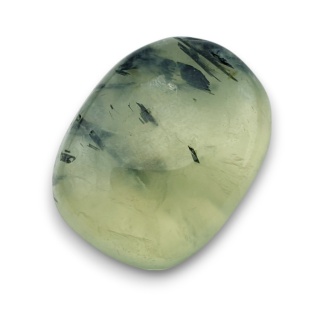
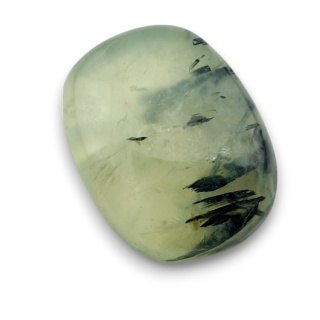
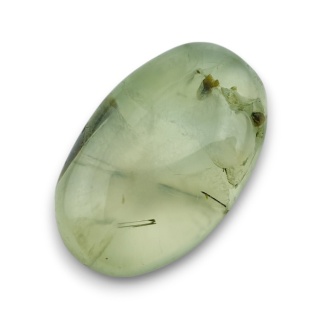
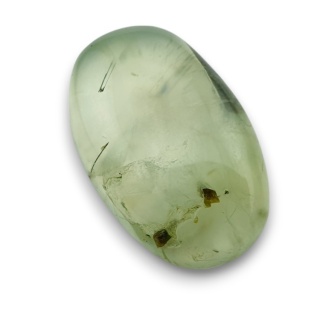
Prehnite - a light green gemstone
Number of products : 204Prehnite is characterized by a glassy or pearly luster, and the hardness of Prehnite cabochons is 6 - 6.5 on the Mohs scale. Prehnite was named in 1788 by Abraham Gottlieb Werner in honor of Dutch colonel Hendrik von Prehn, who is credited with discovering the mineral in 1774 at the Cape of Good Hope in South Africa.
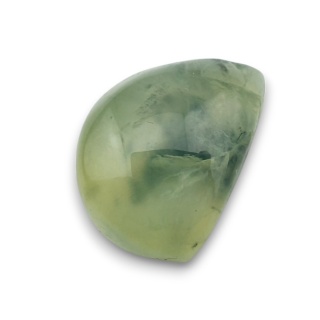
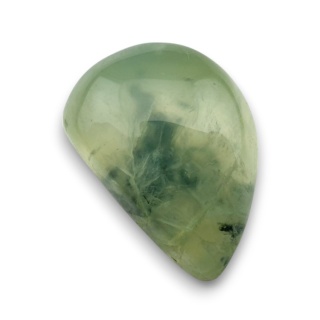
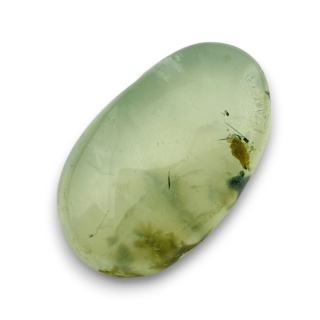
The light green Prehnite stone is known for its soft, pear-like hue, which evokes the generosity of nature and is said to have magical healing properties. Prehnite also occurs in a delicate orange hue, but this variety is considered extremely rare.
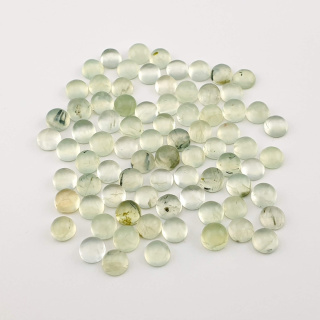
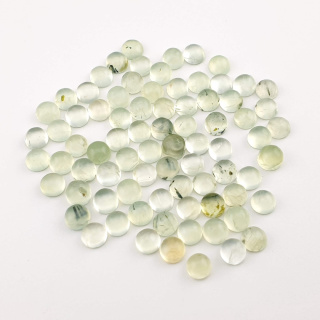
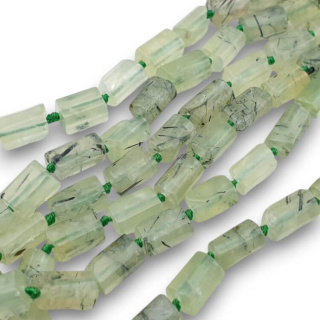
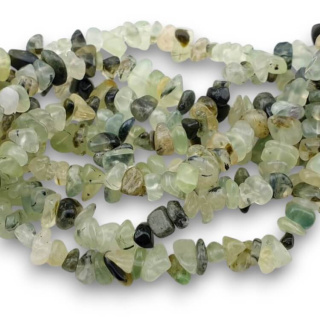
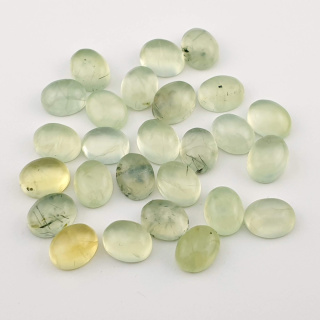
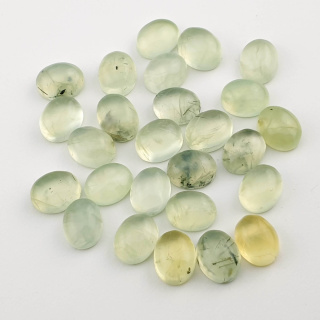
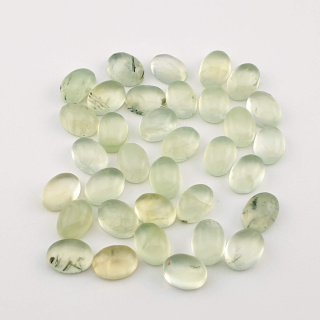
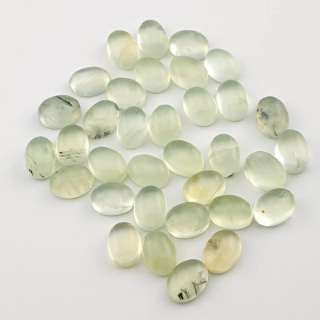
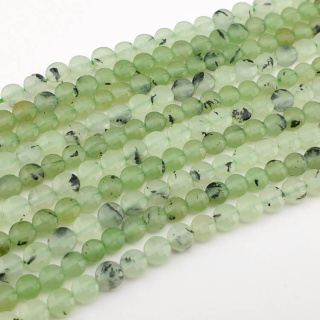
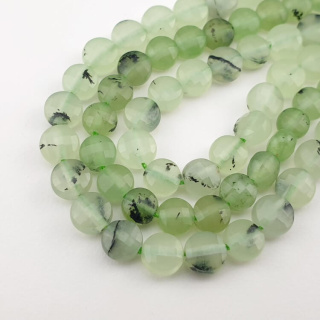

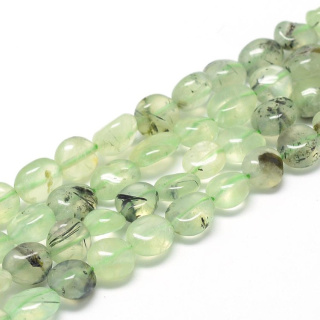
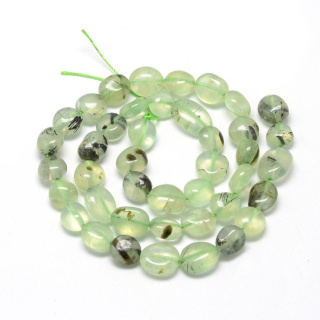
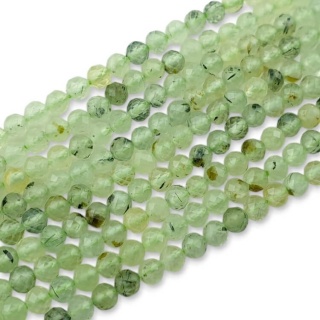
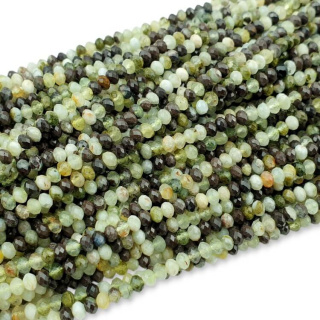
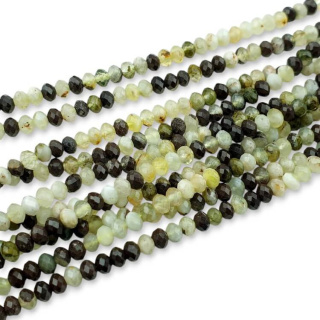
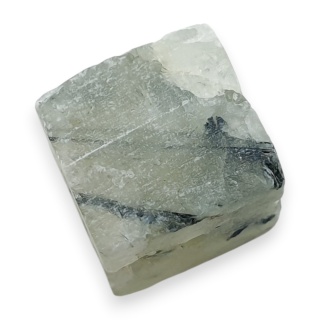
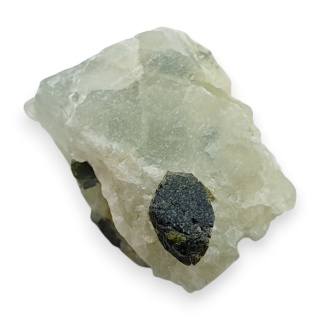
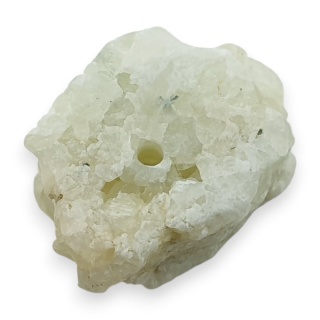
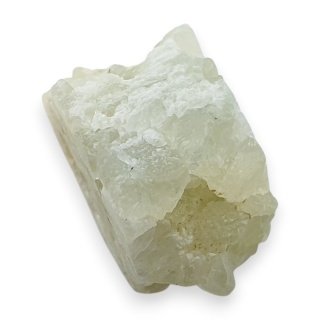
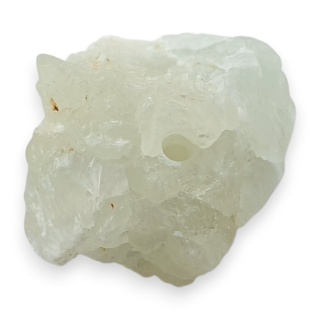
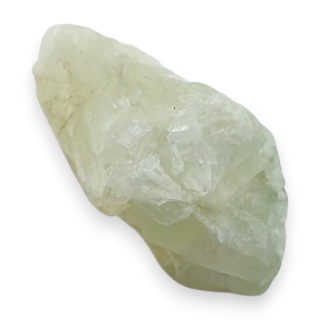
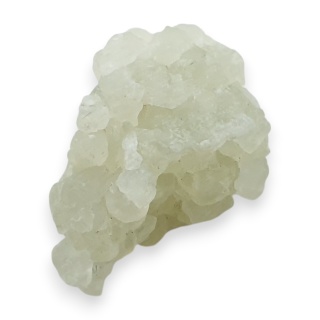
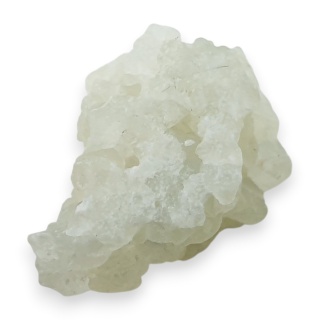
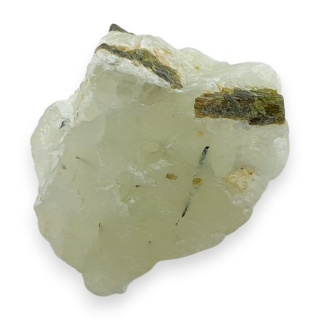
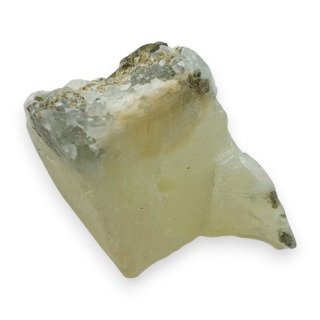
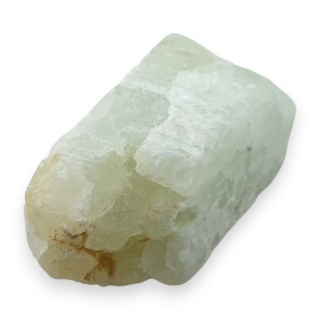
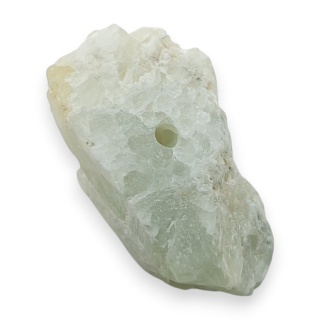
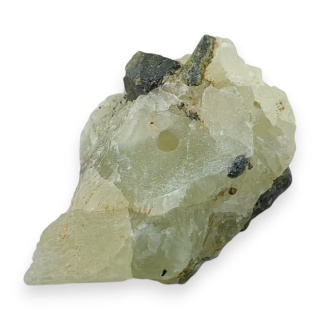
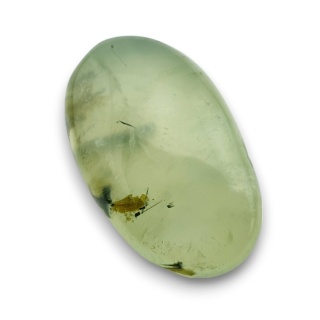
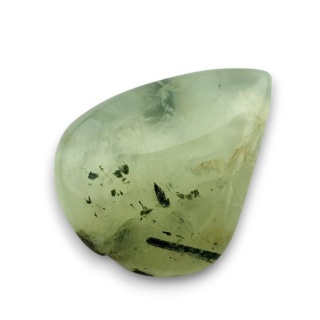

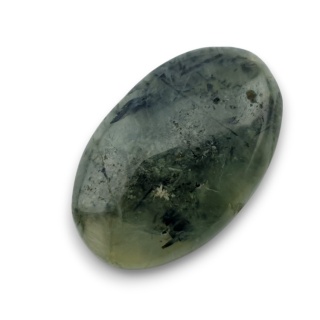
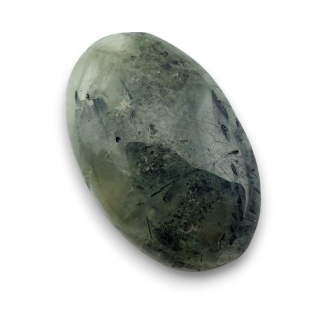
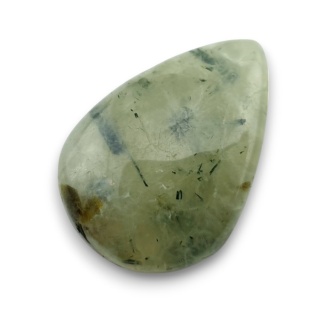
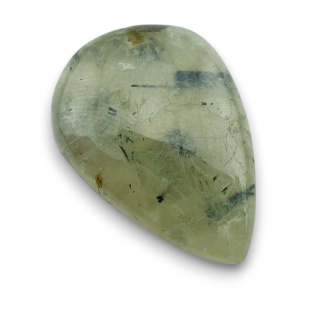
Prehnite – what kind of stone is it? Basic information
Prehnite is a mineral from the silicate group, classified as a feldspar. It was named after Dutch colonel Hendrik von Prehn, who was a mineralogist. It is a relatively rare stone, found mainly in a few places around the world, such as South Africa, Australia, the USA, Germany, and France. Prehnite often forms in igneous and metamorphic rocks, as well as in fissures and veins in sedimentary rocks. Its unique properties make it popular in jewelry and mineral collecting.
Where does the name prehnite come from?
The name comes from the Dutch colonel Hendrik von Prehn, who was a mineralogist. The mineral was named in his honor to recognize his contribution to scientific research.
A brief history of prehnite
Prehnite was described and named by German mineralogist Abraham Gottlob Werner in 1788. It was first discovered in South Africa, where it occurs in large quantities. Over time, this mineral became popular in jewelry and gained recognition among mineral collectors around the world.
What does prehnite look like? Characteristics, visual qualities, shape, and color
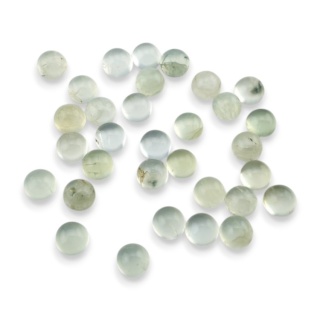
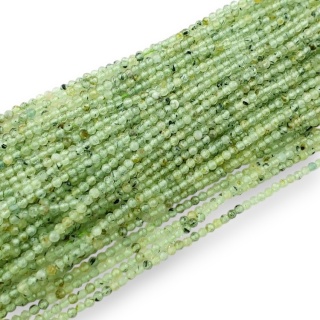
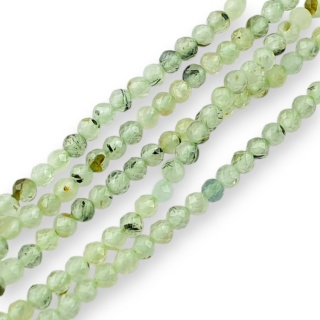
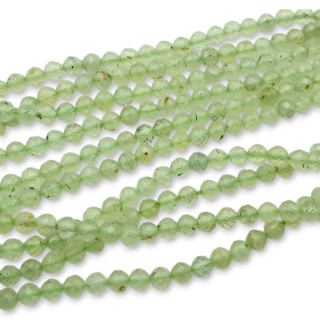
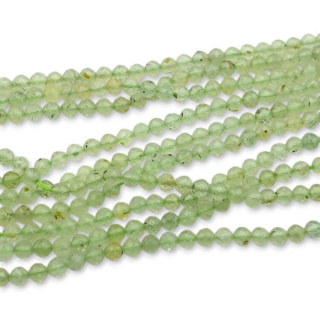
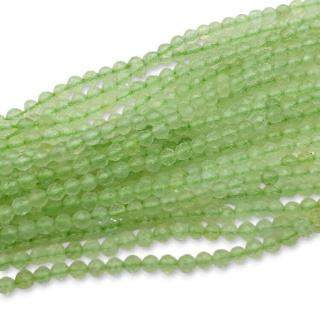
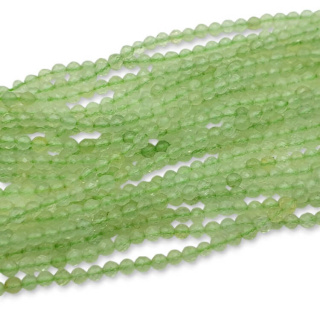
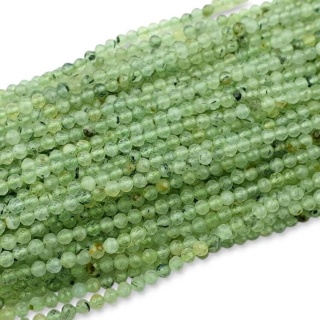
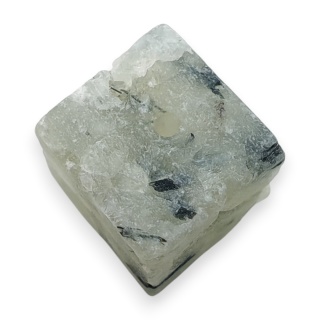
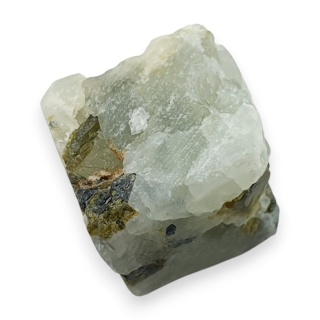
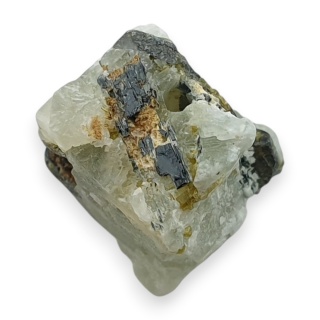
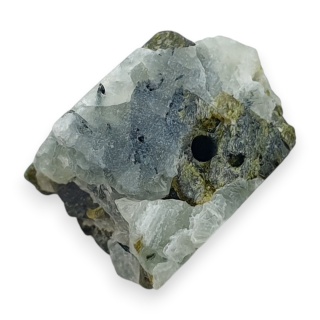
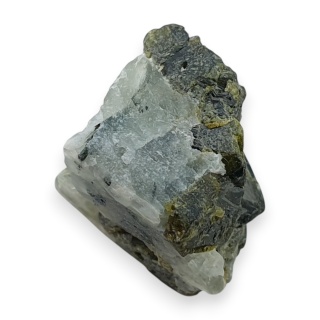
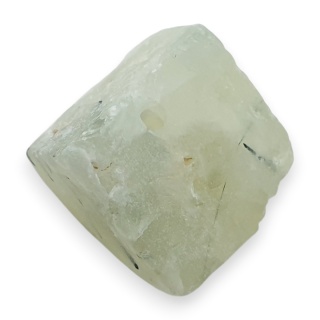
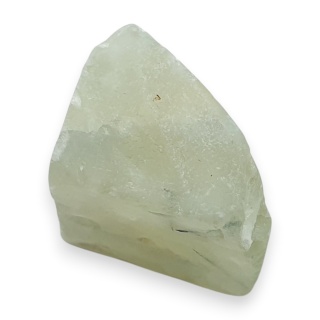
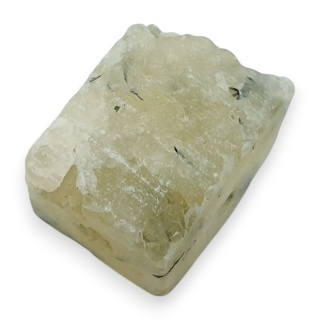
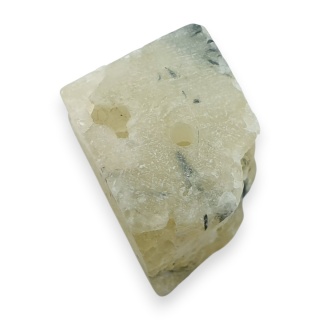
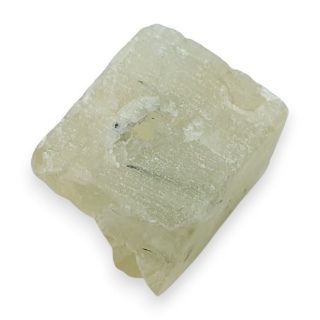
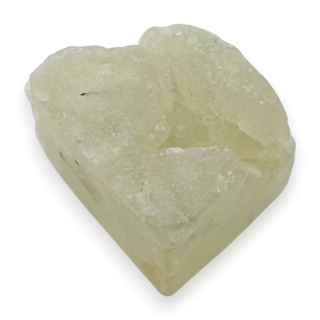
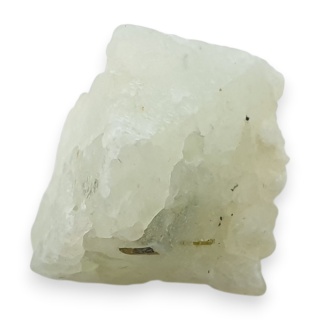
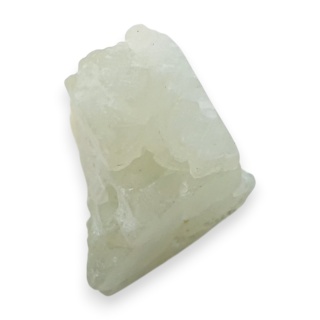
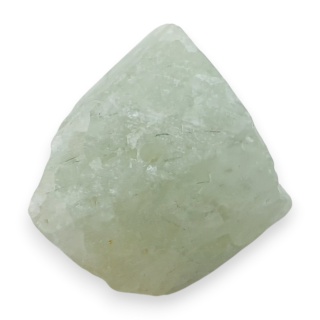
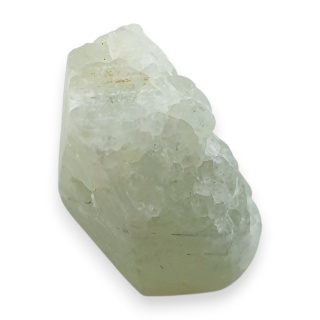
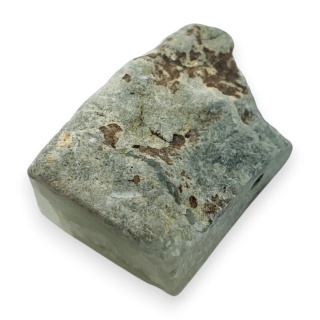
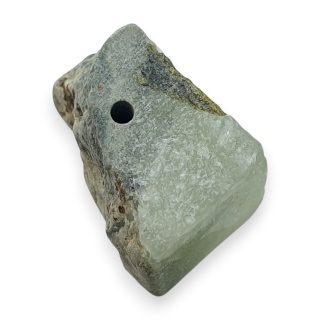
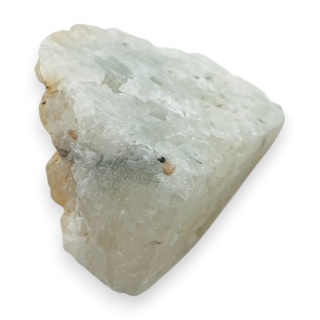
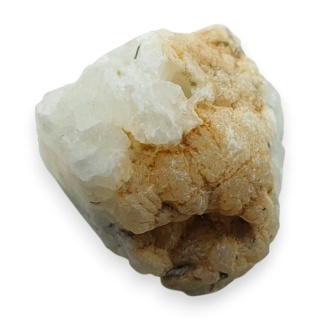
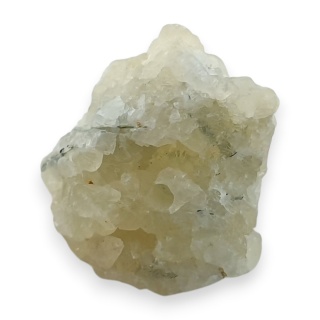
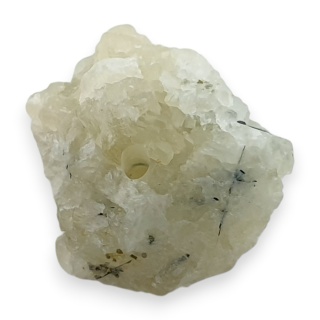
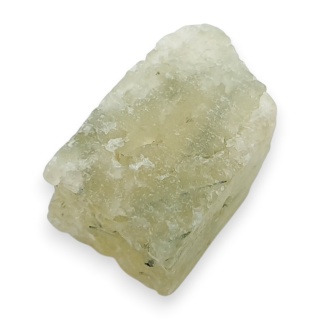
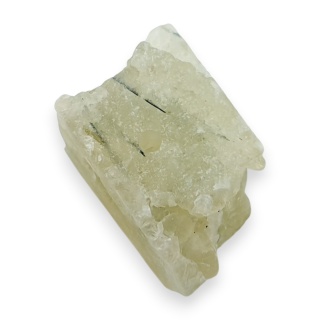
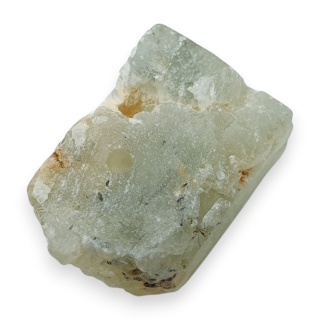
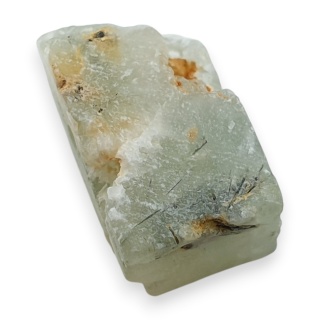
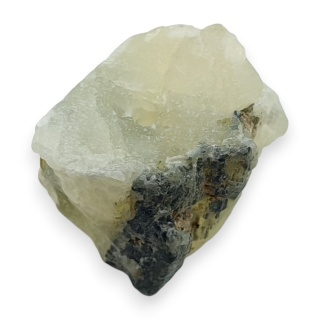
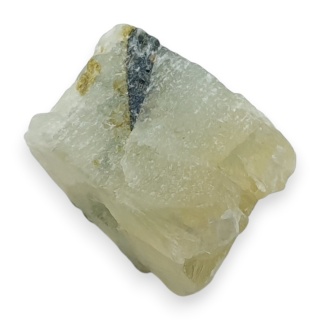
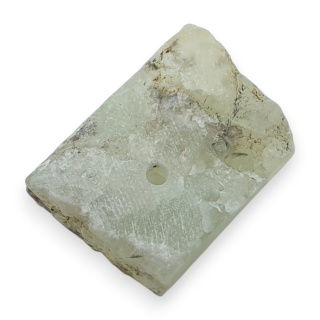
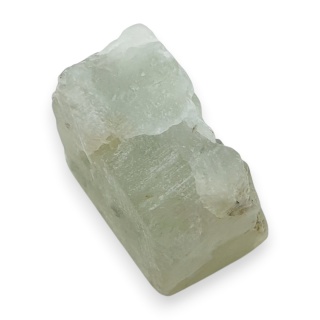
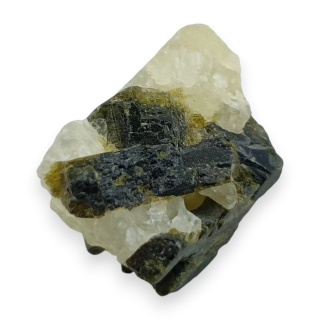
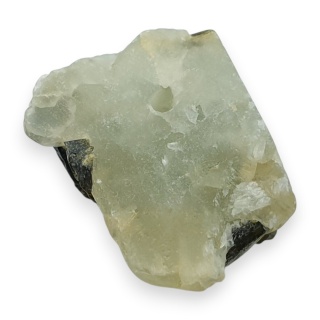
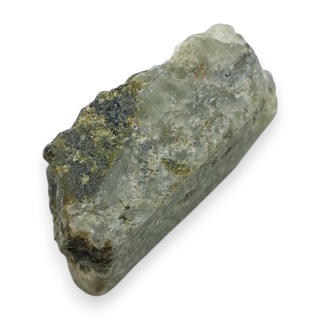
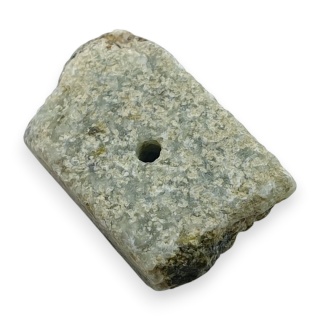
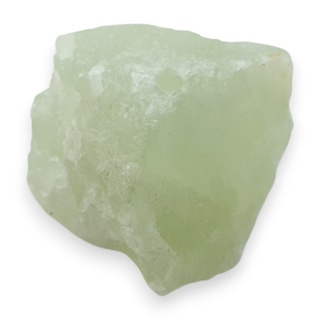
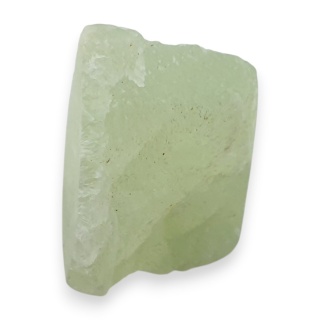
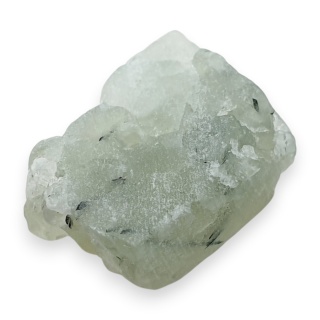
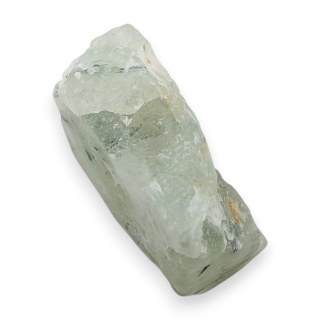
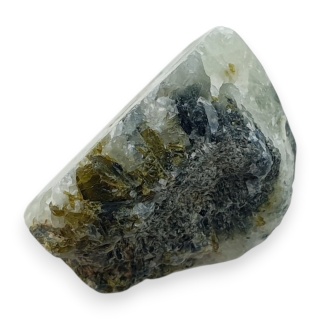
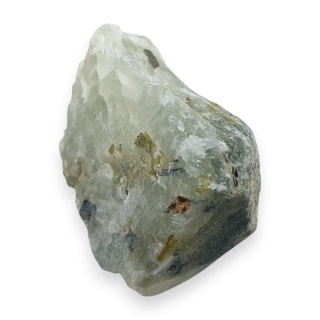
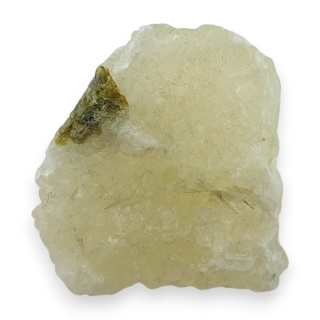
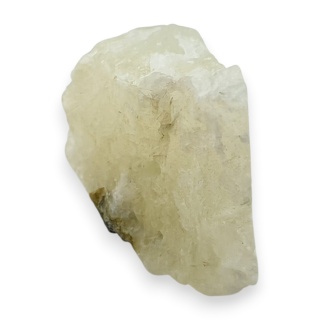
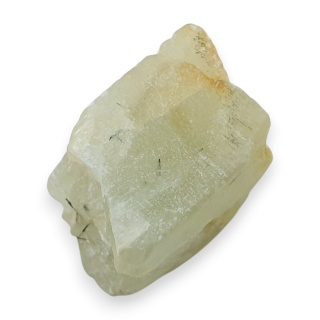
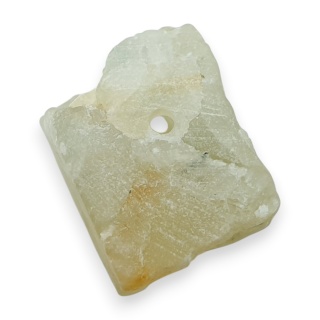
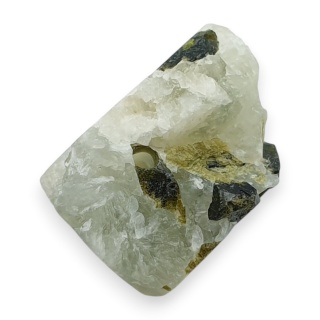
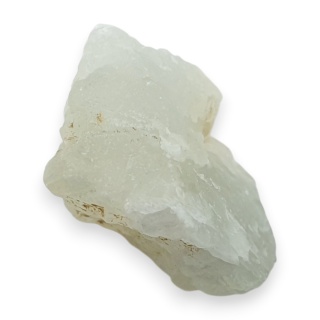
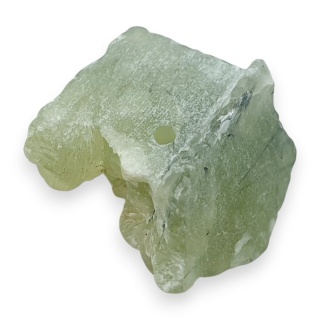
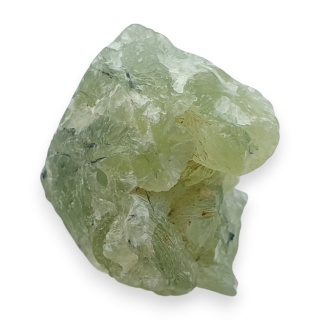
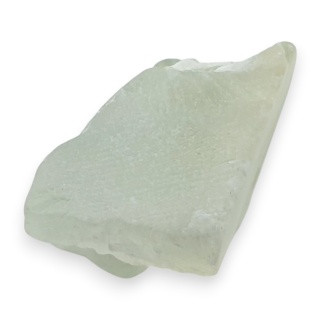
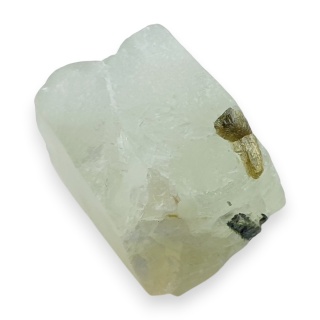
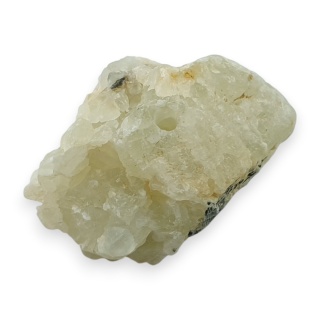
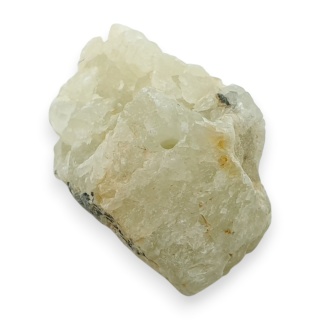
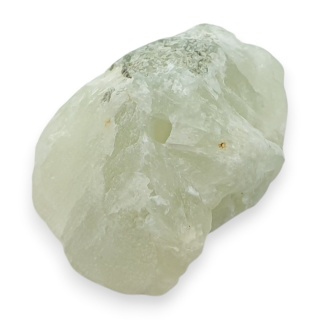
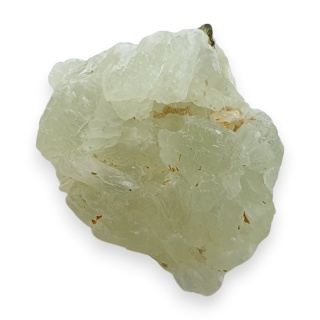
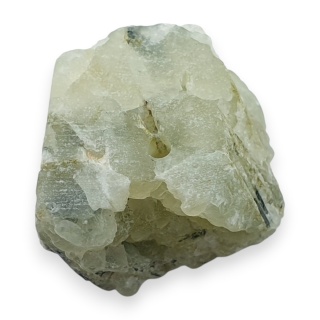
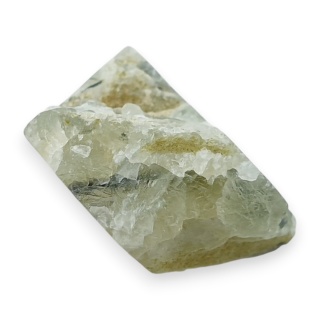
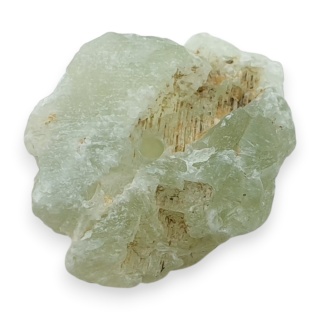
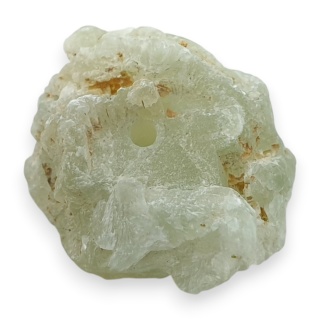
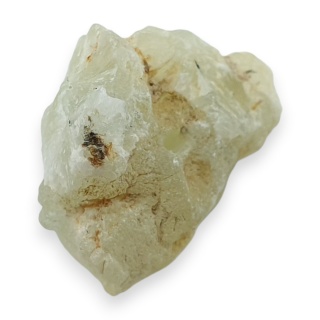
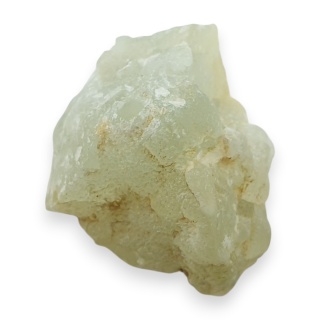
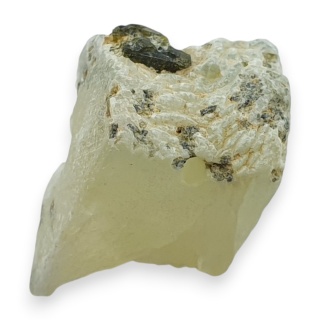
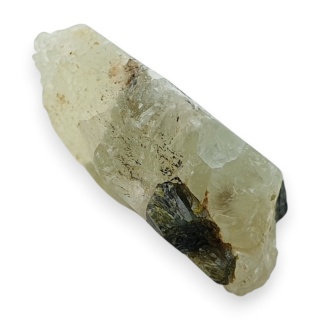
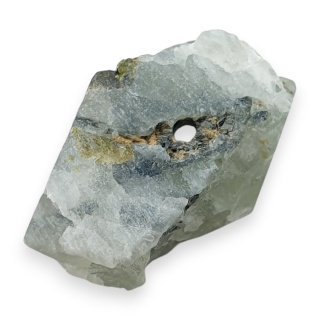
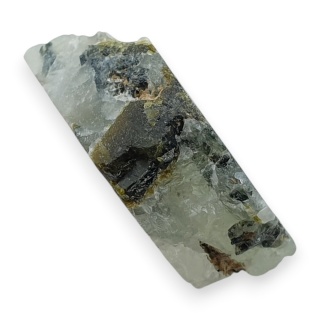
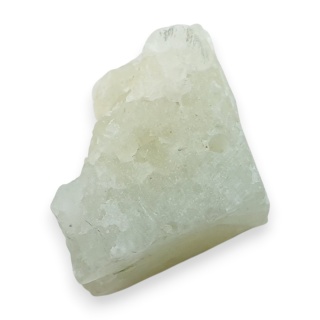
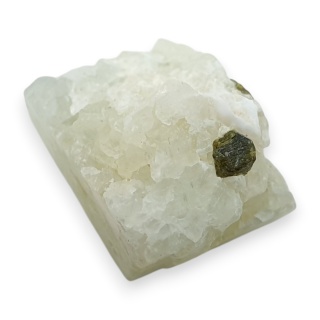
Prehnite has a distinctive appearance that sets it apart. It forms well-developed crystals in a needle or tabular form, but is often found in compact masses and clusters. The color of prehnite is primarily green, but can sometimes be yellowish-green or gray. Its transparency can range from transparent to translucent. Green prehnite has a pearly luster and often occurs with inclusions of other minerals or metal inclusions, which give it unique patterns and optical effects.
Uses of prehnite stone
Green prehnite is a highly valued stone in jewelry. Its beautiful color and distinctive appearance make it popular for use in jewelry such as rings, necklaces, bracelets, and earrings. It is also often used to make decorative items such as sculptures, figurines, and interior decorations. Prehnite is also used in esoteric practices and is considered a stone with many positive energetic properties. Some esoteric uses of prehnite include:
-
Stone of comfort: Prehnite is often used as a comfort stone, which has a calming effect on the mind and emotions. Wearing prehnite or keeping it nearby is believed to bring relief from stress, anxiety, and restlessness.
-
Heart energy stone: Prehnite is associated with heart energy and love. Wearing prehnite near the heart or holding it during meditation practices is believed to open and strengthen the heart, promoting self-love, empathy, and understanding for others. Some call prehnite the stone of life and the stone of unconditional love.
-
Intuition-enhancing stone: Prehnite is often considered a stone that aids the development of intuition and clairvoyance. Esoteric practitioners often use prehnite to strengthen their connection to their inner wisdom and perceptive abilities. Prehnite is the third eye stone.
-
Stone of the new age, transformation and purification: Prehnite also has transformative and purifying properties. Prehnite is believed to help release old thought and emotional patterns and support processes of growth and transformation.
The use of stones for esoteric purposes is related to the beliefs and practices of individuals. The effects of stones may vary depending on the individual and the context. If you are interested in using prehnite in esoteric practices, we recommend consulting an experienced practitioner or researching more information on the subject.