![[{[item.product.name]}]]([{[item.product.photo.url]}] 75w)
Add to cart for free delivery -,--
Order Summary
Total 0 €
Price includes discounts

Glaucophane
Number of products : 2Glaucophane is one of the most interesting minerals found in metamorphic rocks. Although it remains less well-known than amethyst, lapis lazuli, sodalite, or kyanite, it is a true natural curiosity for collectors and jewelry makers. Its characteristic blue or blue-violet, and sometimes brown, color makes it difficult to confuse with other minerals.
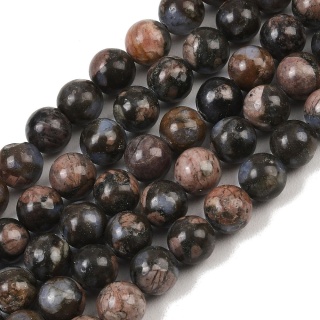
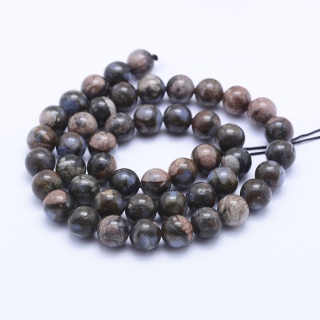
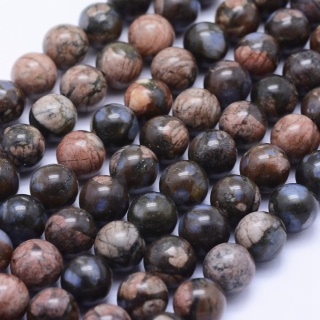
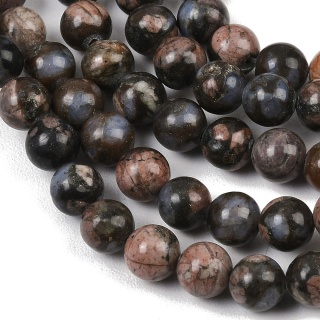
What Is Glaucophane?
Glaucophane belongs to the sodium amphibole group of minerals. Its name comes from the Greek words "glaukos," meaning bluish-gray, and "phainein," meaning to appear or shine. The name perfectly reflects the characteristic color of this mineral.
Chemically, glaucophane is a complex silicate containing sodium, magnesium, aluminum and hydrogen. It most commonly occurs as elongated crystals, fibrous aggregates or granular masses.
Basic Properties of Glaucophane
- Hardness: 6–6.5 on the Mohs scale
- Crystal system: Monoclinic
- Luster: Vitreous to silky
- Color: Blue, navy blue, bluish-violet
- Transparency: Semi-transparent to opaque
- Mineral group: Sodium amphiboles
- Density: Approximately 3.0–3.2 g/cm³
How Does Glaucophane Form?
Glaucophane forms through high-pressure metamorphic processes. Such conditions occur primarily in subduction zones, where one tectonic plate moves beneath another.
During this process, rocks are subjected to enormous pressure while temperatures remain relatively moderate. These unique conditions promote the crystallization of glaucophane.
For geologists, the presence of glaucophane is extremely important. This mineral serves as an indicator of ancient subduction zones and helps reconstruct the geological history of entire regions.
Glaucophane Schist – Rocks Associated with Glaucophane
One of the most characteristic geological environments in which glaucophane occurs is glaucophane schist, commonly referred to as blueschist.
These rocks owe their distinctive blue color to the presence of glaucophane. They are highly valuable to scientists because they provide information about the geological conditions that existed during their formation.
Where Is Glaucophane Found?
Glaucophane is not a common mineral. It occurs only in specific geological environments, making significant deposits relatively rare.
Main Sources of Glaucophane
- Japan
- Greece
- Turkey
- Italy
- France
- Norway
- New Zealand
- Canada
- United States
In many locations, glaucophane occurs alongside jadeite, lawsonite, garnet, epidote, quartz and omphacite.
History of Glaucophane Discovery
Glaucophane was scientifically described during the nineteenth century when advances in mineralogy and petrology allowed researchers to study metamorphic rocks in greater detail. Initially, it attracted the attention of geologists because of its significance in understanding tectonic processes.
Over time, mineral collectors also became interested in glaucophane. Today, high-quality specimens often command considerably higher prices than they did several decades ago.
Why Is Glaucophane Valued by Collectors?
Collectors appreciate glaucophane primarily because of its rarity and unique coloration. Blue minerals are much less common in nature than green, brown or colorless minerals.
An additional advantage is its scientific importance. Many collectors seek glaucophane specifically as an indicator mineral associated with subduction-related geological processes.
Glaucophane in Jewelry Making
Although glaucophane is not as widely known as amethyst or agate, it is becoming increasingly popular in artisan jewelry. Jewelry designers appreciate its unique color and natural appearance.
Popular Glaucophane Products
- Glaucophane beads
- Glaucophane cabochons
- Pendants
- Bracelets
- Handmade necklaces
- Collector specimens
Which Gemstones Pair Well with Glaucophane?
Glaucophane combines beautifully with many other gemstones. It looks especially attractive when paired with stones that have light or metallic tones.
- Rock crystal
- Moonstone
- Larimar
- Labradorite
- Hematite
- Sodalite
- Aquamarine
Glaucophane vs. Sodalite
Both minerals can display blue coloration, which sometimes leads to confusion among beginner collectors.
Sodalite is usually more uniform in color and often contains white calcite veining. Glaucophane generally exhibits a more fibrous structure and greater variation in shades of blue.
Glaucophane vs. Lapis Lazuli
Lapis lazuli is a decorative rock composed primarily of lazurite and often contains golden pyrite inclusions.
Glaucophane does not contain such inclusions and typically displays a more subtle and natural blue appearance.
Glaucophane vs. Kyanite
Glaucophane and kyanite are often compared because of their similar blue tones. However, kyanite usually forms more distinct elongated crystals and has a different chemical composition.
Metaphysical Meaning of Glaucophane
In crystal traditions, glaucophane is considered a stone associated with intuition, awareness and communication.
According to metaphysical beliefs, it may support:
- Inner peace
- Intuition
- Meditation
- Conscious communication
- Emotional balance
Glaucophane and Meditation
Because of its calming blue color, glaucophane is often used as a meditation stone. Practitioners believe it helps quiet the mind and improve concentration.
The color blue has long symbolized peace, harmony and reflection, making glaucophane a popular choice among those seeking emotional balance.
Glaucophane and Chakras
Throat Chakra
Traditionally associated with communication, honesty and self-expression.
Third Eye Chakra
Symbolically connected with intuition, awareness and spiritual insight.
Glaucophane and Zodiac Signs
In crystal astrology, glaucophane is most commonly associated with the following zodiac signs:
- Aquarius
- Pisces
- Libra
- Scorpio
It is believed to encourage creativity, intuition and communication.
Glaucophane and Numerology
In numerological traditions, glaucophane is often linked to the vibrations of:
- 7 – spiritual growth, wisdom and introspection
- 11 – intuition and inspiration
- 22 – achievement and manifestation
Interesting Facts About Glaucophane
- It is one of the most important indicator minerals of high-pressure metamorphism.
- It is responsible for the blue color of blueschist rocks.
- Its name originates from the Greek language.
- Gem-quality material suitable for jewelry is relatively rare.
- It is valued by both scientists and mineral collectors.
- It provides evidence of ancient tectonic processes.
How to Care for Glaucophane
Proper care helps preserve the beauty of glaucophane for many years.
- Clean with a soft cloth.
- Avoid harsh detergents.
- Protect from impacts.
- Store separately from harder gemstones.
- Avoid prolonged exposure to chemicals.
FAQ – Frequently Asked Questions
Is glaucophane rare?
Yes. Glaucophane occurs only under specific geological conditions and is considered a relatively rare mineral.
Is glaucophane a natural mineral?
Yes. It is a naturally occurring mineral formed through metamorphic geological processes.
What color is glaucophane?
It is typically blue, navy blue or bluish-violet.
Is glaucophane suitable for jewelry making?
Yes. It is commonly used for beads, cabochons, pendants and artisan jewelry.
Which gemstones pair well with glaucophane?
It pairs beautifully with rock crystal, larimar, labradorite, sodalite, aquamarine and hematite.
Is glaucophane suitable for collectors?
Absolutely. Its rarity and geological significance make it a highly desirable collector's mineral.
Why Buy Glaucophane?
Glaucophane is a mineral that combines exceptional beauty with a fascinating geological history. Its natural blue coloration, relative rarity and versatility in both jewelry making and mineral collecting make it an excellent choice for beginners and experienced enthusiasts alike.
If you are looking for a unique natural gemstone for handmade jewelry or wish to expand your mineral collection with a rare and distinctive specimen, glaucophane is undoubtedly worth considering.
```