![[{[item.product.name]}]]([{[item.product.photo.url]}] 75w)
Add to cart for free delivery -,--
Order Summary
Total 0 €
Price includes discounts

Palm root agate: The beauty and uniqueness of stones from palm roots
Number of products : 37What is palm root agate?
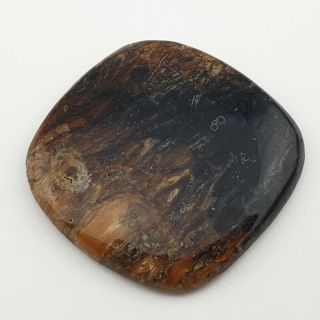
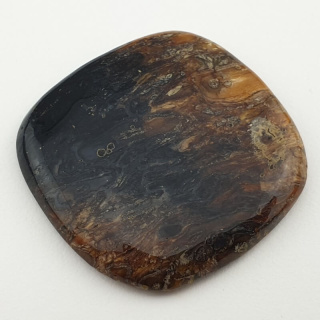
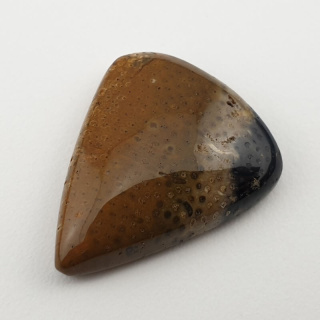
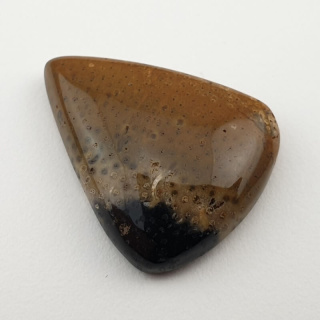
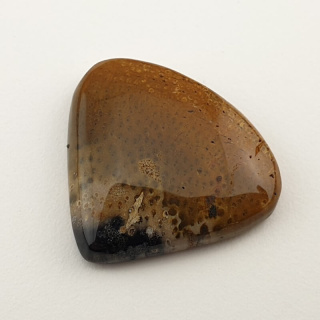
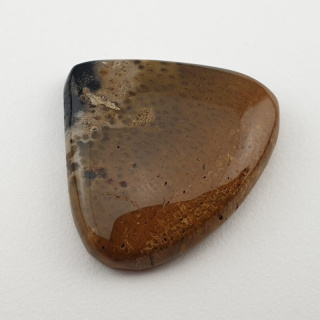
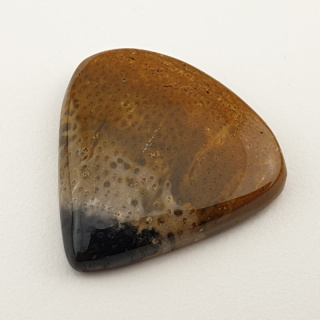
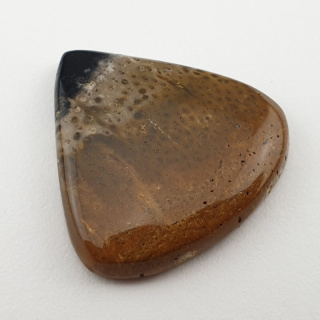
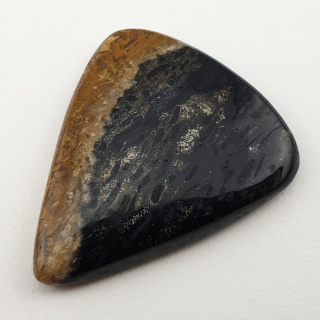
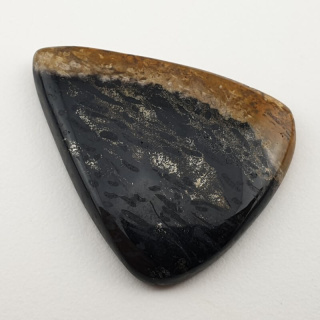
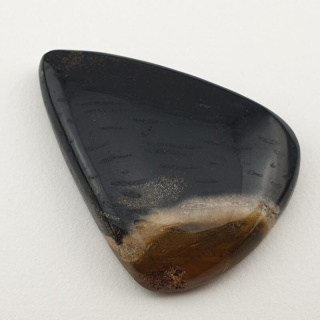
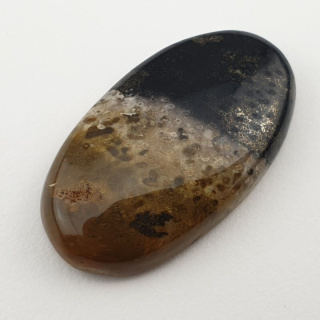
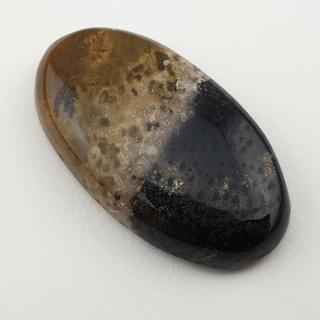
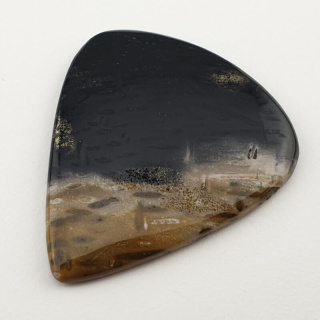
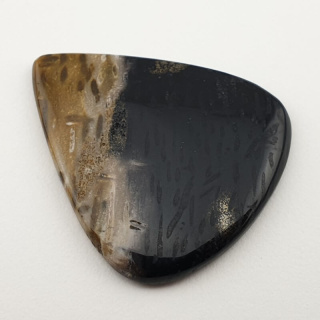
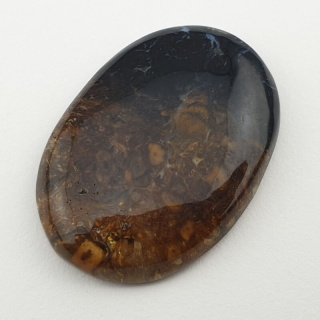
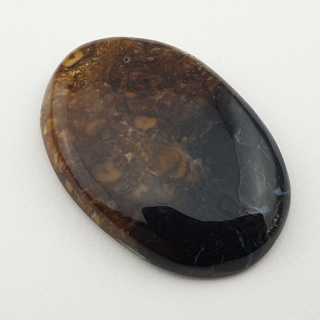
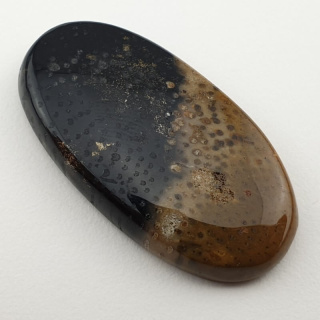
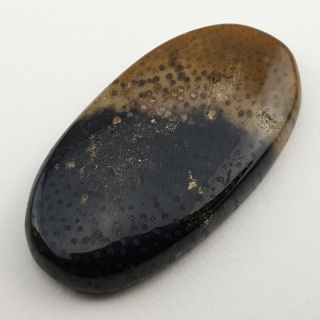
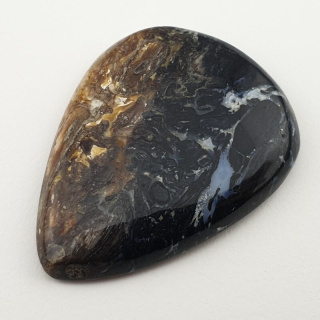
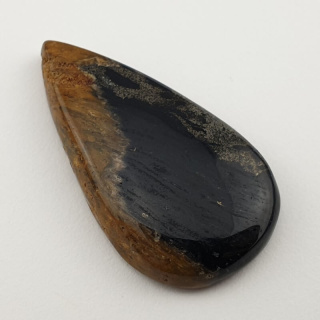
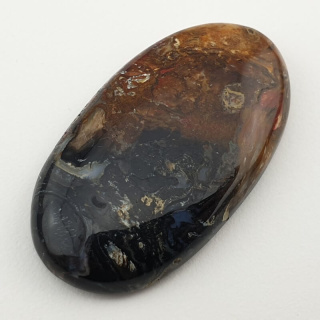
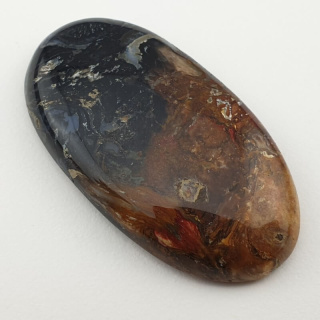
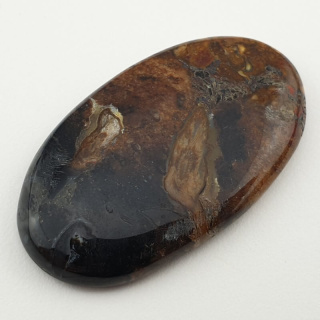
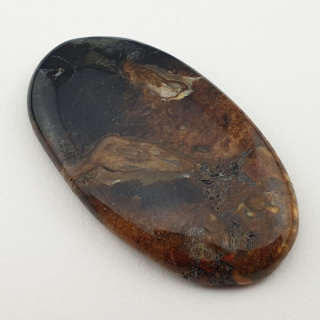
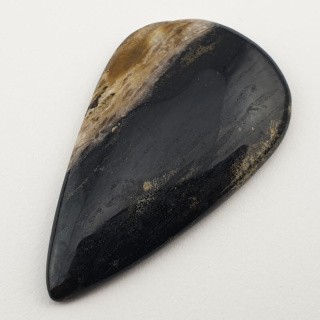
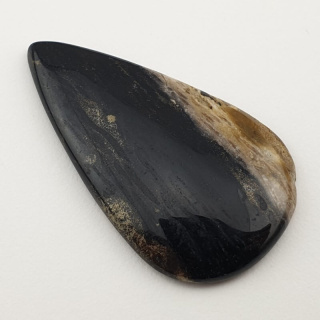
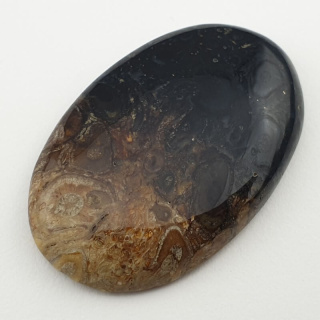
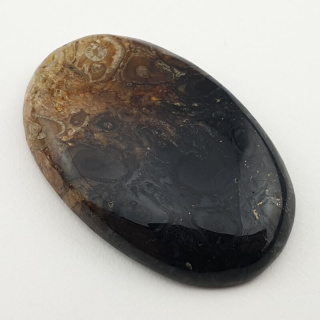
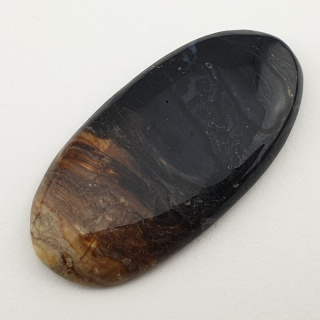
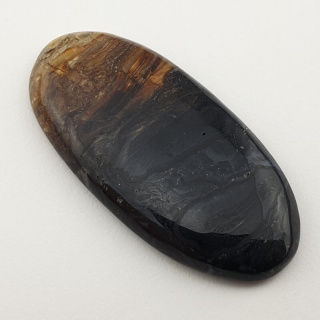
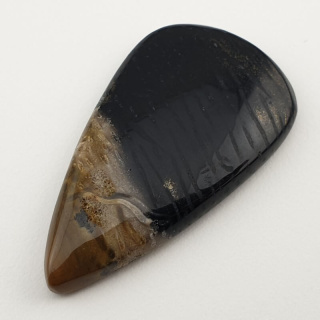
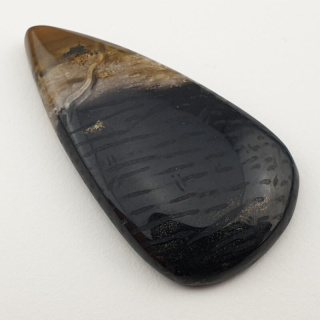
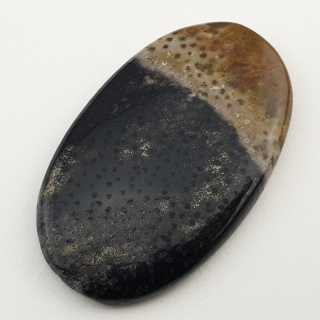
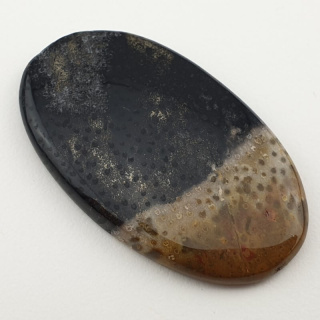
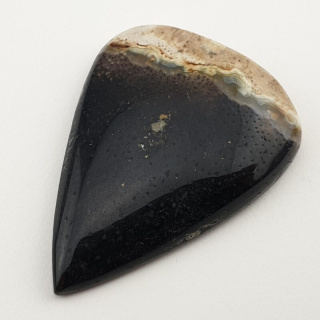
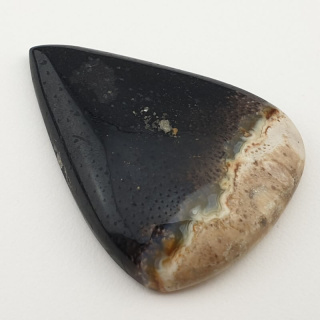
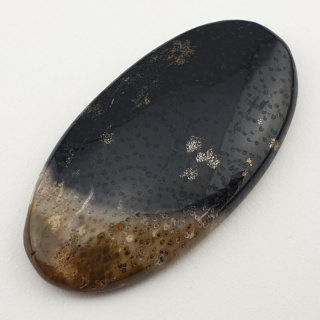
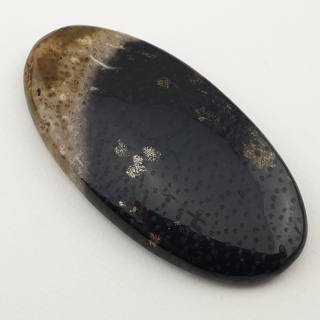
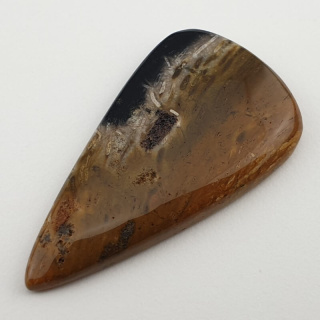
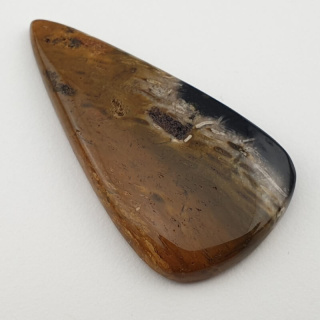
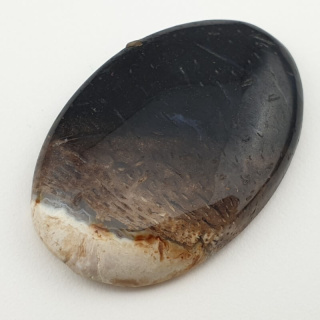
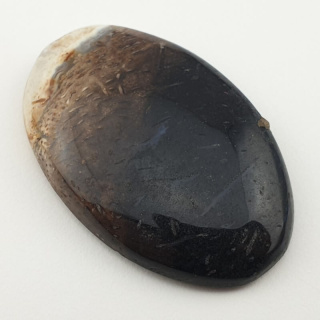
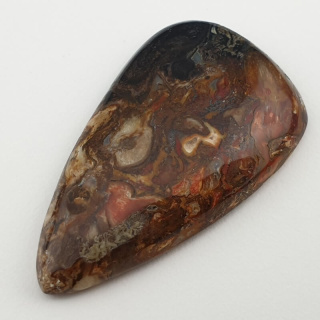
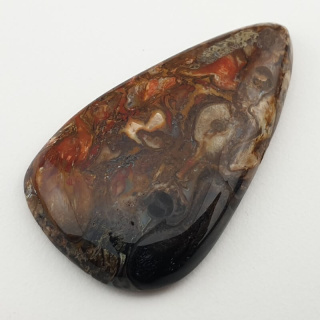
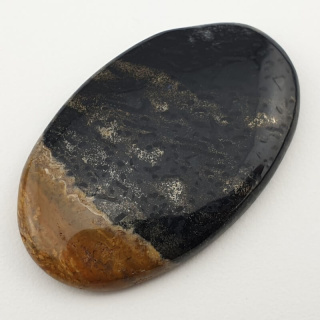
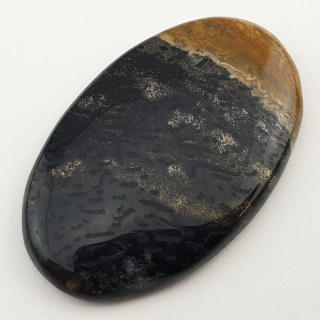
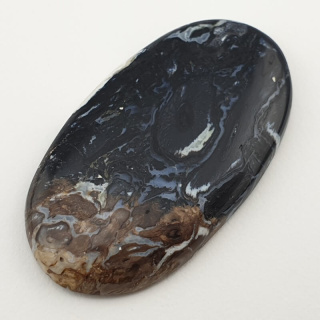
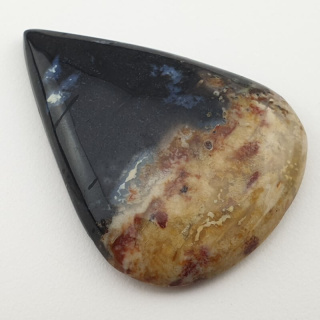
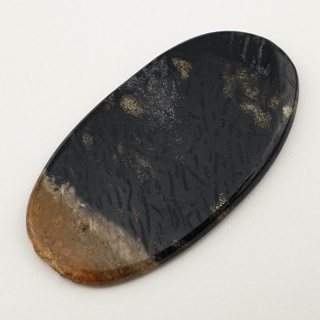
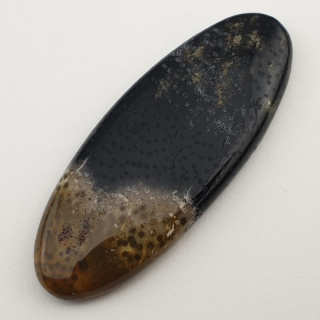
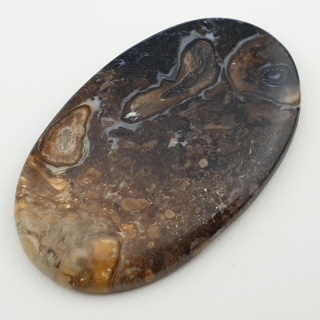
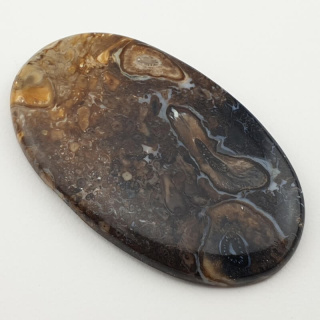
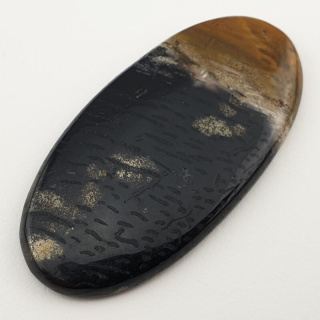
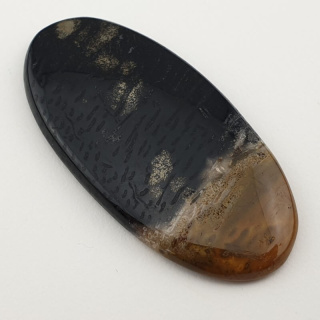
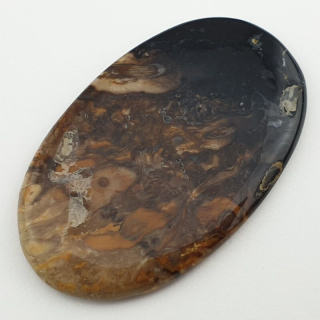
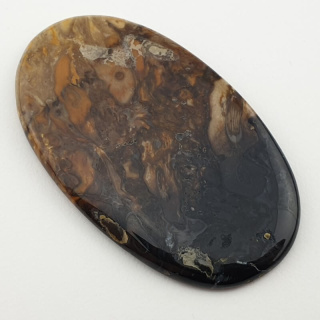
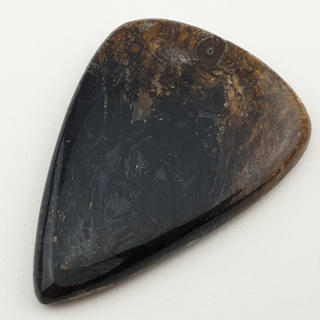
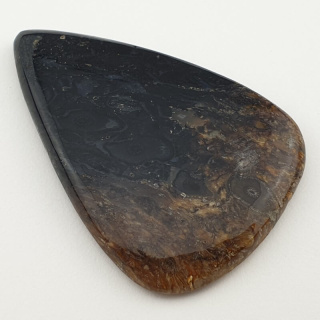
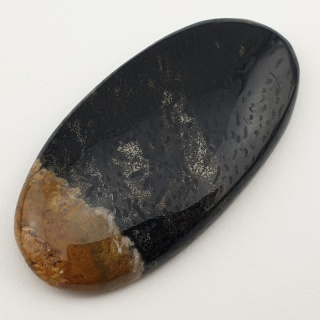
Palm root agate is known for its distinctive patterns and structure. The name Palm Root Agate refers to the appearance of the patterns on the stone, which resemble palm roots or other organic structures.

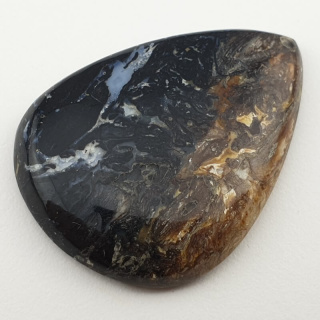
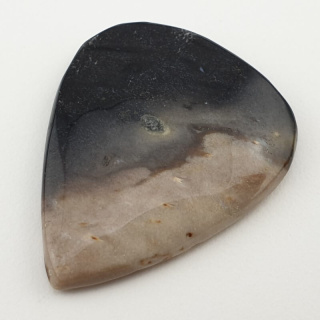
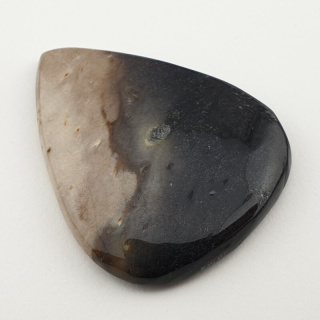
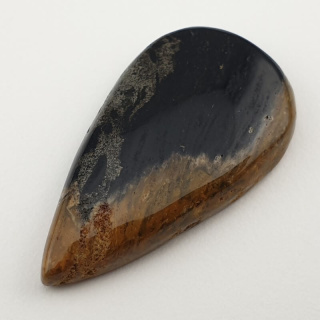
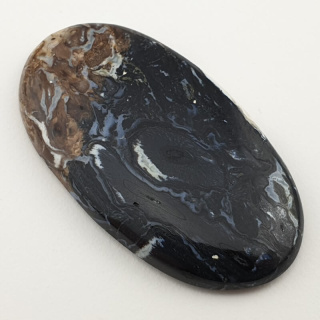
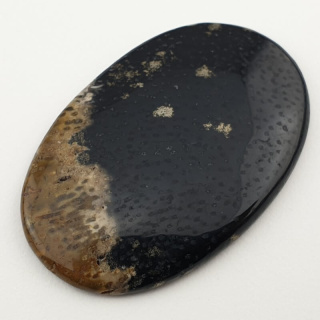
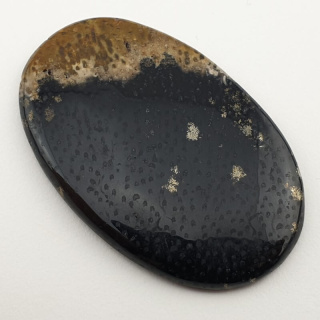
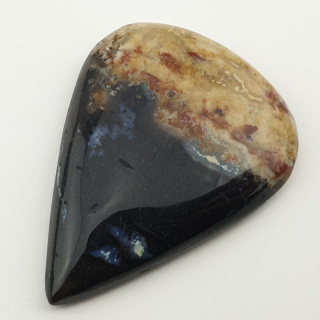



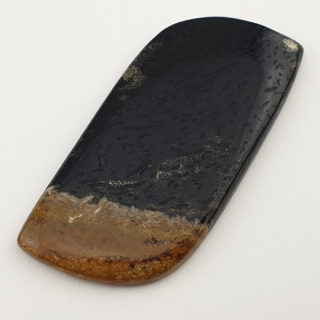
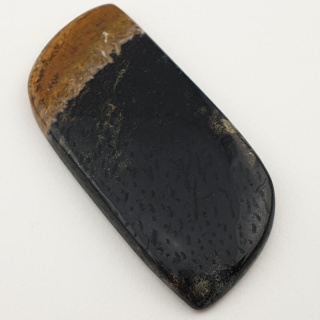
What are the main features that distinguish palm root agate from other varieties of agate?
Palm root agate is distinguished by several main features that distinguish it from other varieties of agate:
- Surface patterns: The most distinctive feature of palm root agate is its unique patterns and structure. It is mainly mined for the distinct patterns on the surface of the stone, which resemble plant roots, lines, circles, or other organic structures. These patterns create interesting and often very attractive compositions on the stone. They often occur in bands or spots, which gives the stone additional depth of color.
- Source: This type of agate is often mined in Indonesia, especially on the island of Sumatra. This is one of the main sources of Palm Root Agate, although these stones can also be found in other parts of the world.
- Application: Due to its unique patterns and colors, Palm Root Agate is often used in jewelry to create necklaces, bracelets, earrings, and other jewelry. It is also valued in arts and crafts for creating various types of decorations.
These characteristics distinguish Palm Root Agate from other varieties of agate and make it a stone prized by collectors and those interested in creating unique works of art.
Where does palm stone come from and where is it most commonly mined?
Palm stone is often mined on the island of Sumatra in Indonesia. This is one of the main sources of this stone. The island of Sumatra is known for its abundance of various types of agate.
The process of extracting agate from palm roots can be quite tedious, as these stones are usually buried underground and must be carefully uncovered and extracted to preserve their natural structure and patterns. After extraction, the stones are processed, including polishing, to achieve a shiny surface and fully highlight their unique patterns.
It is worth noting that agates are found all over the world, with different varieties occurring in different geographical regions. However, palm root agate is particularly prized for its unique patterns and colors, making it highly sought after by collectors and jewelry craftsmen.
What are the most popular colors found in Palm Root Agate?
Palm stone comes in various earth tones and often has beautiful, natural colors. The most popular colors are:
- Brown: Brown shades are one of the most common colors in palm root agate. These stones can have different shades of brown, ranging from light brown to dark brown.
- Beige: Beige stripes or spots are equally common. This color adds a natural elegance to the stones.
- Red: Red shades are rare. They can be subtle or more pronounced, adding an interesting contrast to the stones.
- Yellow: Yellow spots or stripes are characteristic of some varieties of this mineral. Shades of yellow can be delicate or intense.
These stones often occur in bands or spots, giving them additional depth of color and an interesting pattern on the surface.
Does palm root agate have any metaphysical or spiritual properties?
Many people attribute various metaphysical or spiritual properties to stones, including Palm Root Agate. However, it is important to note that these interpretations are often subjective and based on beliefs and traditions. There is no scientific evidence that stones have specific spiritual properties or abilities.
Here are some of the potential metaphysical properties that some people attribute to Palm Root Agate:
- Emotional stability: Palm Root Agate is often associated with the energy of emotional stability. It is said to help maintain calm and balance in difficult situations. Earth energy: Due to its natural colors, Palm Root Agate is often associated with the energy of the earth. It is said to help connect with the energy of the earth and nature. Strengthening roots: Some believe that Palm Root Agate can help increase feelings of belonging. Grounding: Palm Root Agate is often associated with the energy of stability and balance. Stability: Palm Root Agate is often associated with the energy of stability. Stability: Palm Root Agate is often associated with the energy of stability. Stability: Palm Root Agate is often associated with the energy of stability. Stability: Palm Root Agate is often associated with the energy of stability. Stability:
- Strengthening roots: Some believe that Palm Root Agate can help increase a sense of belonging and strengthen roots, both literally and metaphorically.
- Protection: This stone is also attributed with protective properties. Some people wear it as a talisman or amulet to ward off negative energies.
Remember that interpretations and beliefs about the properties of stones vary across cultures and traditions. If you believe in the spiritual properties of stones and would like to use Palm Root Agate for metaphysical purposes, it is always a good idea to do your own research and choose stones that resonate with your intentions and beliefs.
What are the trends in the use of palm agate in jewelry and art?
Trends in the use of Palm Root Agate in jewelry and art may evolve over time, but some of the main ways this stone is used in these fields include:
- Jewelry: Palm Root Agate is a very popular material in jewelry. Palm agate stones and cabochons are used to create various types of jewelry, such as necklaces, bracelets, earrings, and rings. Thanks to its unique patterns and colors, Palm Root Agate can add a unique touch to any piece of jewelry. We offer a large selection of palm agate cabochons in our store.
- Unique surface patterns: Due to the distinctive patterns on Palm Root Agate, it is often used to create jewelry and artwork with unique designs. These patterns are often the basis for designs that attract attention and stand out from the crowd.
- Sculpture art: Palm Root Agate is also used by sculptors. These stones allow for the creation of unique sculptures and figures that bring out their natural structure and patterns.
- Watch cases: Palm Root Agate is often used to create exclusive watch cases. These cases are luxurious and elegant, and the stones add a unique character to them.
- Interior decorations: Some interior designers use Palm Root Agate as an element of interior decoration. These stones can be used to create decorative items such as candle holders, bowls, and even cutting boards.