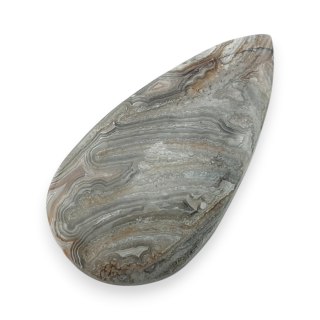
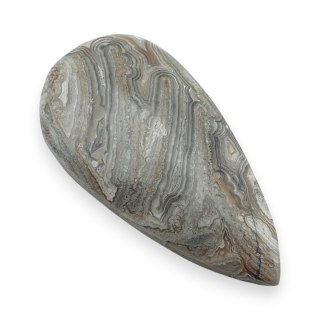
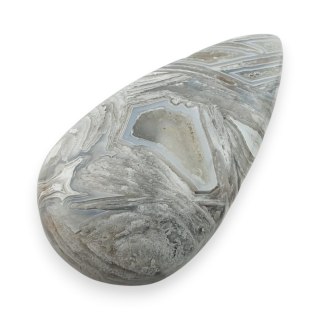
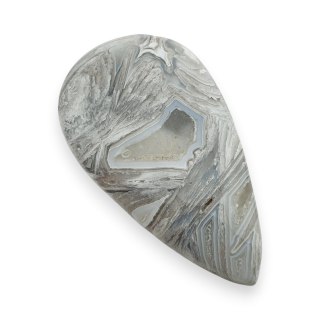
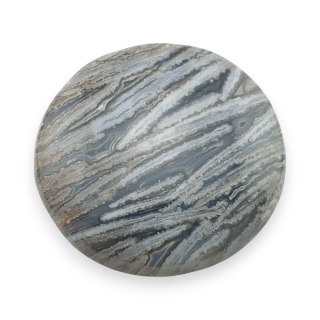
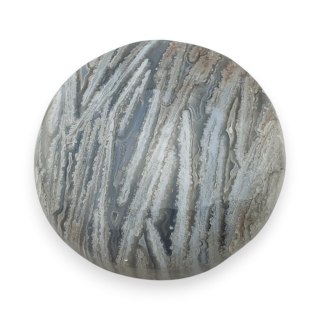
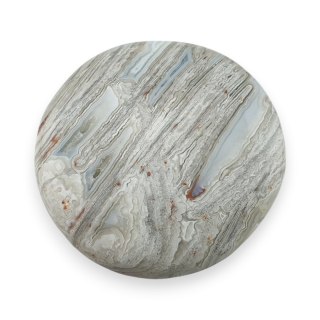
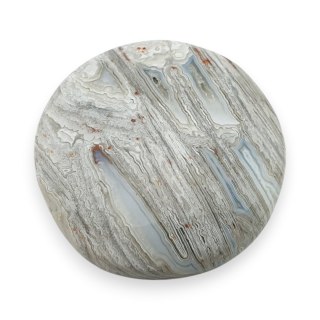
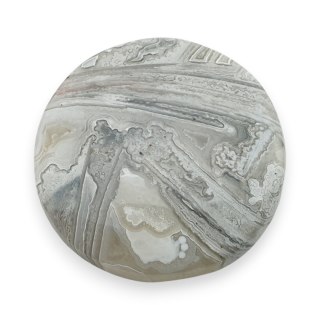
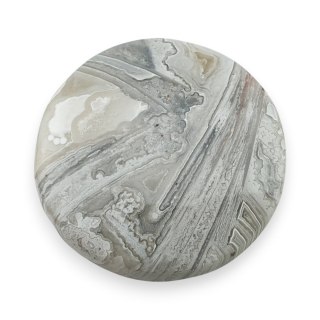
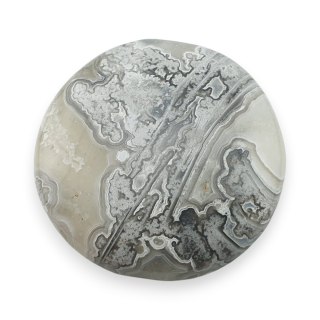
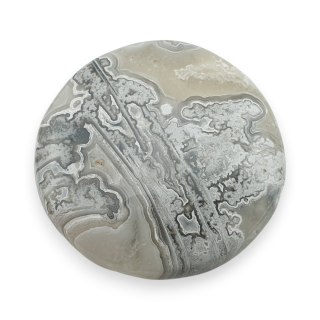
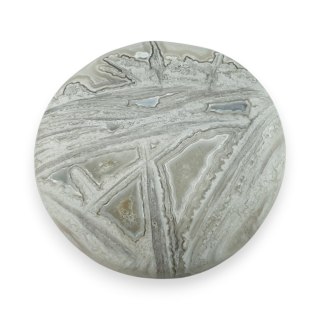
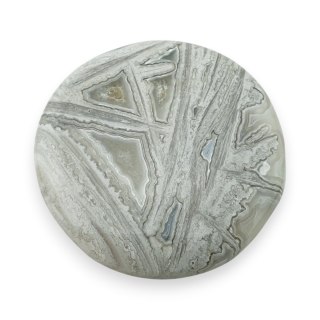
Latice Agate – natural stone with a mesh structure
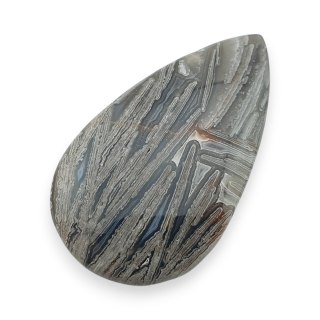
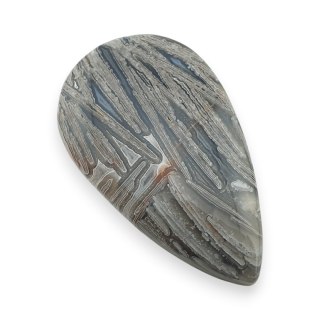
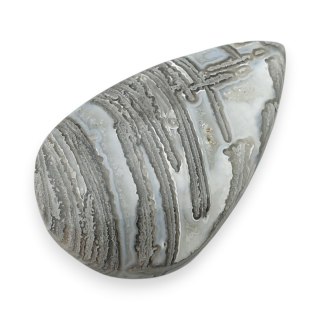
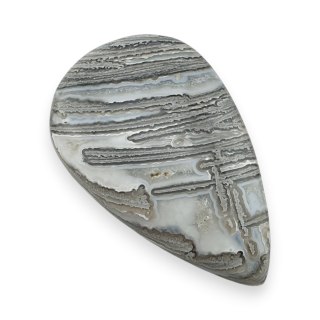
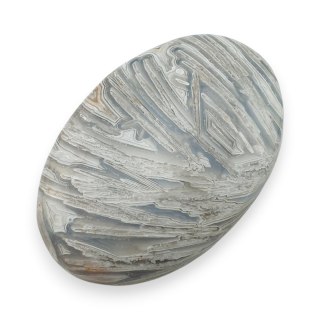
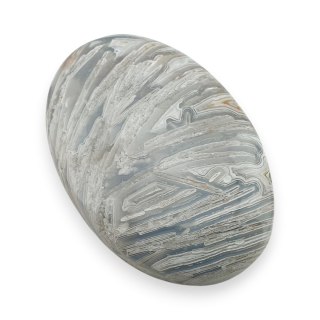
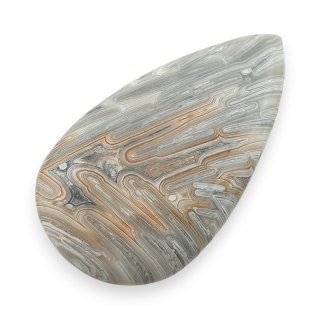
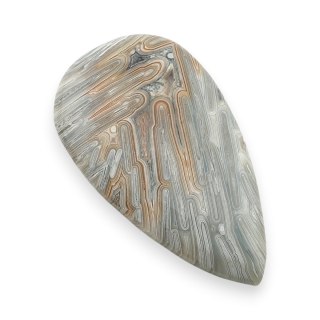
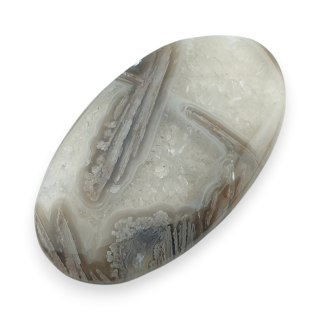
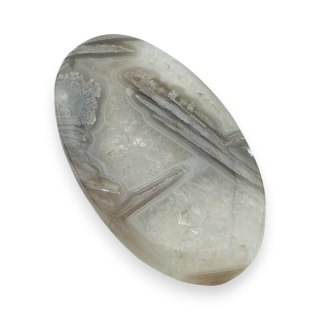
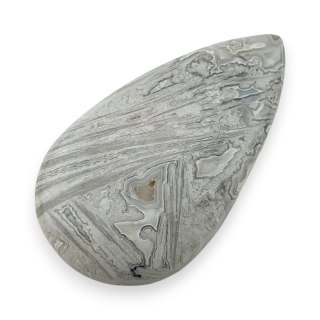
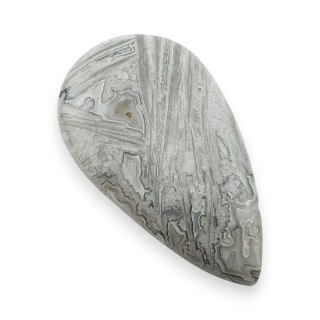
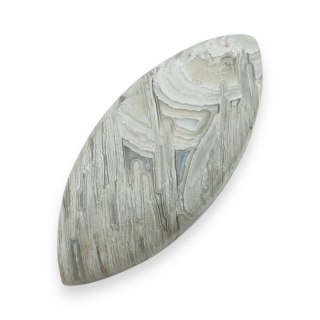
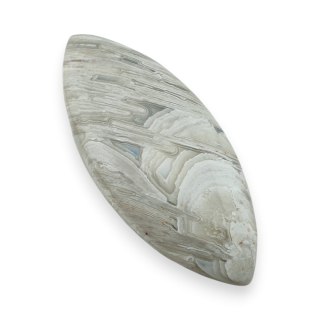
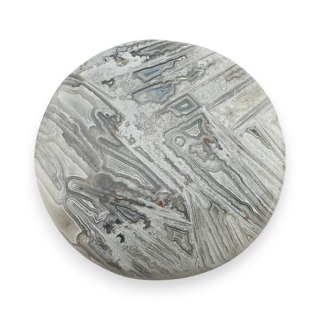
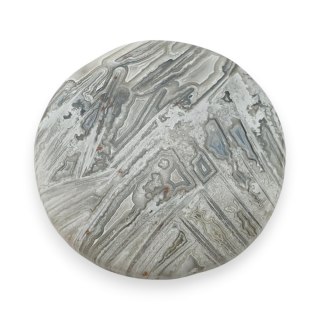
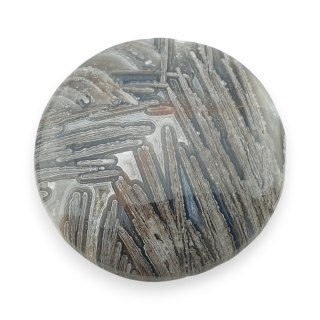
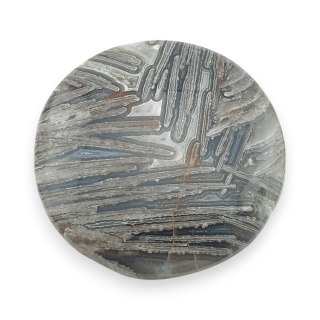
Number of products : 83Lattice Agate is a distinctive type of agate recognized by its interwoven pattern resembling a lattice, lace or delicate natural net. Its natural structures create unique lines, bands and branching patterns, giving every piece an individual appearance. Lattice Agate is particularly suitable for cabochons, pendants and original handmade jewelry.
What is Lattice Agate?
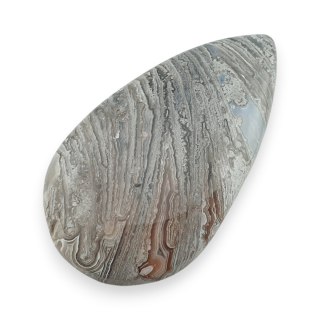
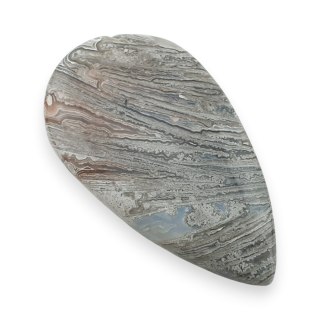
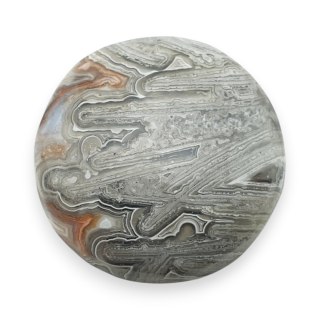
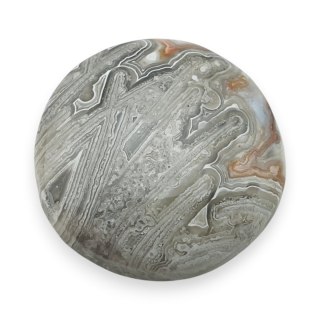
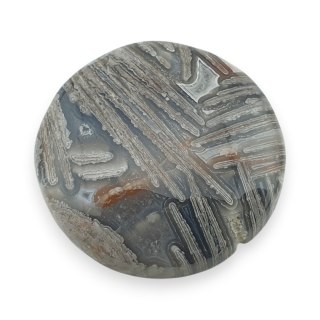
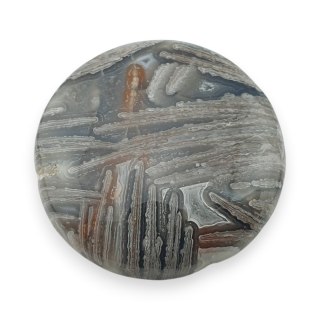
Lattice Agate is a term used for agate characterized by a distinctive lattice-like or interwoven natural pattern. The design may resemble delicate lace, a network, a grid, branching fibers or irregular geometric forms. This characteristic pattern is the main feature that distinguishes this type of agate.
Agate belongs to the group of natural silica-based materials and is traditionally described as a variety of chalcedony. Its primary chemical component is silicon dioxide (SiO2). In detail, however, the microstructure of agate is more complex and may include different silica phases, including chalcedony, quartz, quartzine and other forms of silica. Mineralogical research shows that agate develops through complex processes involving repeated silica deposition and crystallization. :contentReference[oaicite:5]{index=5}
The name Lattice Agate primarily refers to the characteristic appearance of the material. It is not a separate mineralogical species, but a descriptive term used for agate displaying a particular lattice-like or interwoven pattern.
The distinctive pattern of Lattice Agate
The greatest attraction of Lattice Agate is its intricate natural pattern. Unlike agates with simple parallel or concentric bands, Lattice Agate may display structures that intersect, branch and form irregular patterns resembling a natural network.
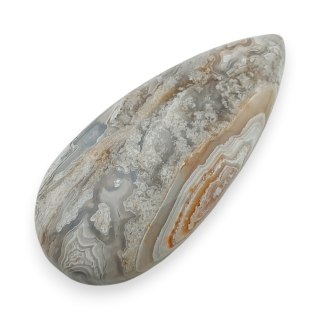
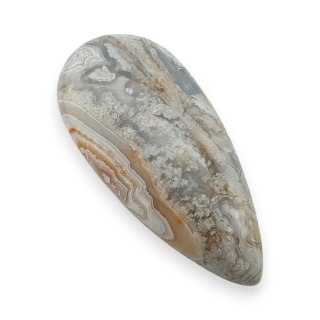
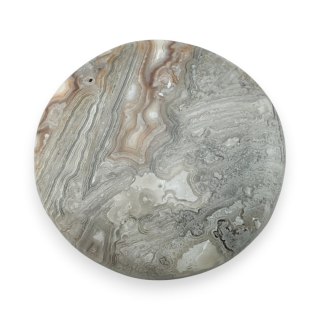
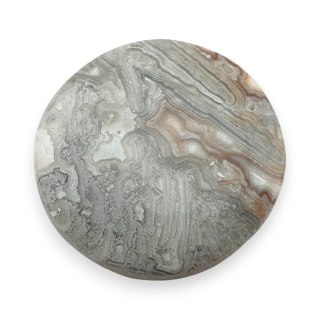
Depending on the individual piece, the pattern may be extremely fine and dense or more open, with larger spaces between individual structures. Some specimens resemble lace, while others may look like delicate mesh or an abstract natural drawing.
This distinctive appearance means that every Lattice Agate cabochon can look completely different. The orientation of the cut also has a major influence on the final appearance of the stone, determining which parts of the natural pattern are exposed.
How does agate form?
Agate formation is associated with geological processes taking place within cavities, fractures and gas vesicles in rocks. Silica-rich solutions can enter these spaces, where silica is deposited and crystallizes in successive stages, producing characteristic layers and microstructures.
Mineralogical research indicates that agate formation is a complex process that may involve crystallization from amorphous silica precursors, development of fibrous chalcedony and subsequent formation of other SiO2 phases. Differences in crystallite size, porosity, silica phase and incorporated impurities influence the final appearance of the stone. :contentReference[oaicite:6]{index=6}
Research into agate microstructure also shows that the orientation and growth of microscopic silica crystals can contribute to the characteristic lines and patterns visible within the stone. :contentReference[oaicite:7]{index=7}
Lattice Agate and other types of agate
Agates can display an enormous variety of natural patterns. Depending on their structure, examples include banded, lace, fortification, moss and dendritic agates. Lattice Agate is distinguished primarily by its interwoven, net-like pattern.
It is important to remember that agate terminology used in the gemstone trade does not always correspond to strict mineralogical classification. Terms such as “lattice”, “lace” and “crazy lace” often describe the visual appearance of the material rather than formally defined mineral species or varieties.
Properties of Lattice Agate
From a chemical perspective, agate is primarily associated with silica, with the chemical formula SiO2. Because of its microcrystalline chalcedony structure, polished agate can develop a characteristic waxy to vitreous luster.
Agate generally has a hardness of approximately 6.5–7 on the Mohs scale. Its relatively high hardness and ability to take a smooth polish have made agate an important ornamental and jewelry material for centuries.
Natural agate may nevertheless contain microscopic fractures, cavities, inclusions and other geological structures. These are natural characteristics of the material and may affect its mechanical durability.
Lattice Agate in jewelry making
Lattice Agate is particularly appealing to jewelry designers looking for gemstones with a distinctive natural pattern. Its lattice-like structure can become the main decorative feature of a piece of jewelry without requiring additional ornamental motifs.
Lattice Agate can be used to create:
- jewelry cabochons,
- pendants,
- rings,
- earrings,
- bracelets,
- necklaces,
- art jewelry,
- handmade jewelry.
It is particularly well suited to cabochon cutting. A smooth polished surface allows the natural pattern to be clearly displayed and makes the structure of the stone the focal point of the jewelry design.
Lattice Agate as a cabochon
Lattice Agate cabochons are especially interesting because of their unique patterns. During cutting, a lapidary can expose a section with a very dense pattern or, alternatively, a more open structure with larger spaces between the individual lines.
As a result, even two cabochons cut from the same piece of rough material may have completely different appearances. This is a significant advantage for jewelry designers creating one-of-a-kind pieces and distinctive handmade collections.
Natural variation of Lattice Agate
Natural agate is not completely uniform. Individual pieces of Lattice Agate may vary in pattern intensity, density, translucency, color and arrangement of individual bands and structures.
Natural inclusions, small cavities, microscopic fractures and color variations are characteristic of natural materials and should not automatically be considered defects. They are part of what gives each gemstone its individual character.
How to use Lattice Agate in jewelry?
Lattice Agate works well in both minimalist and more expressive jewelry designs. A larger cabochon can become the focal point of a ring or pendant, while smaller stones can be used in earrings, bracelets and necklaces.
The natural appearance of agate combines well with sterling silver 925, 316L stainless steel, brass and gold-colored jewelry components. This makes Lattice Agate suitable for both classic jewelry and contemporary handmade designs.
Lattice Agate jewelry care
Lattice Agate jewelry should be protected from strong impacts, scratches and aggressive chemicals. For everyday cleaning, use a soft cloth and a small amount of lukewarm water.
Prolonged contact with detergents, solvents, strong cleaning agents and cosmetics should be avoided. Jewelry should preferably be stored separately from harder gemstones to reduce the risk of scratching the polished surface.
Why choose Lattice Agate?
Lattice Agate is an excellent choice for anyone looking for a natural stone with an original and distinctive pattern. Its characteristic lattice-like structure sets it apart from classic agates with regular banding and ensures that every piece can have a different appearance.
Combining the natural durability of agate, an attractive internal structure and the ability to achieve a high polish, Lattice Agate is an excellent material for creating cabochons, pendants and original handmade jewelry.