![[{[item.product.name]}]]([{[item.product.photo.url]}] 75w)
Add to cart for free delivery -,--
Order Summary
Total 0 €
Price includes discounts

Pietersite - the beauty and power of a rare mineral | Original pietersite - discover its cabochons in the fusima store
Number of products : 249What is pietersite?
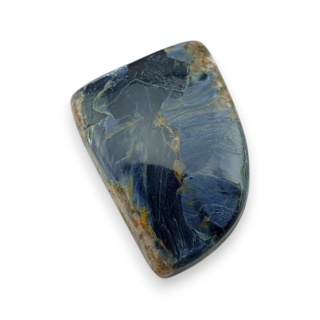
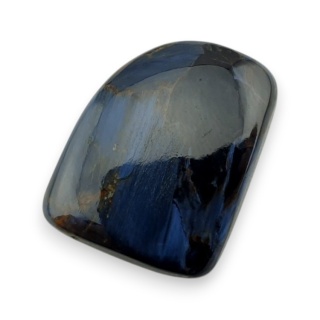
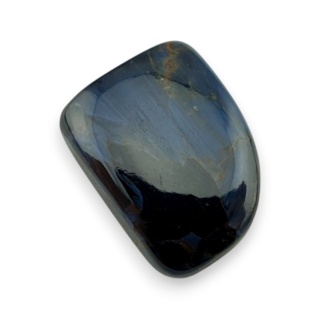
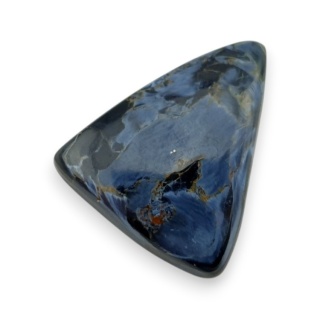
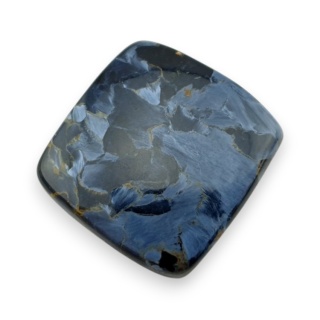
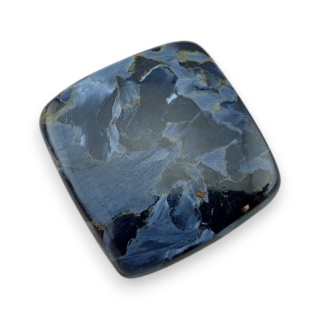
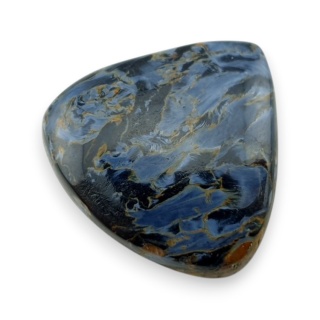
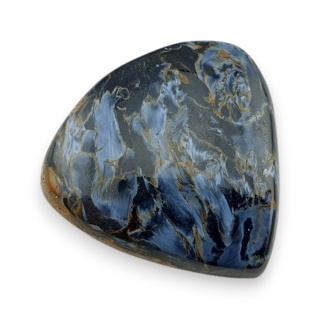
Pietersite is a relatively rare mineral, and its crystal structure contains selenium, sulfate, and barium. Pietersite usually occurs in the form of scales or plates with a metallic luster, often blue or black in color.



























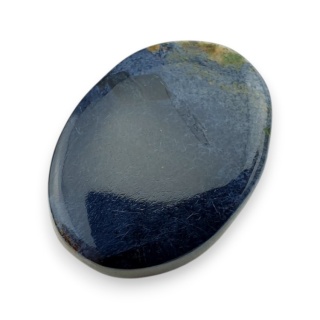
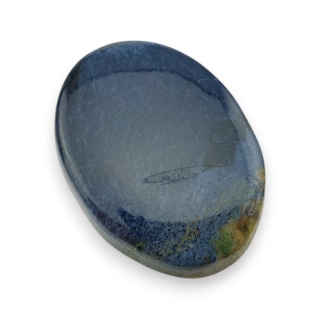


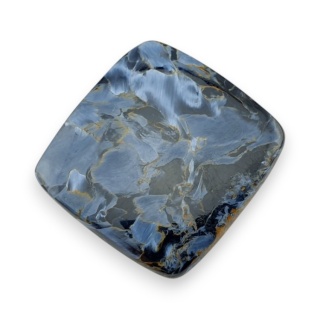


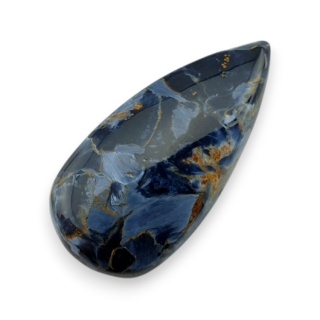








What is the characteristic color of pietersite?
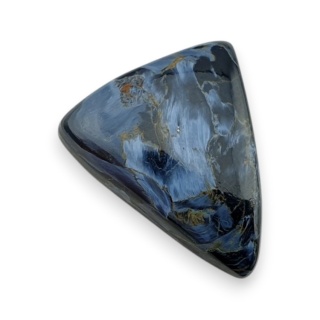
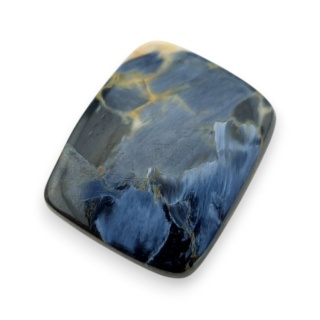
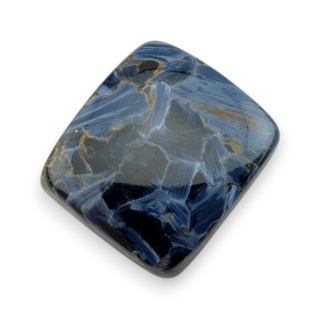
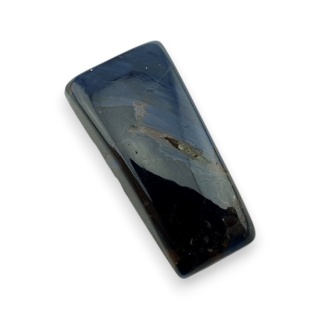
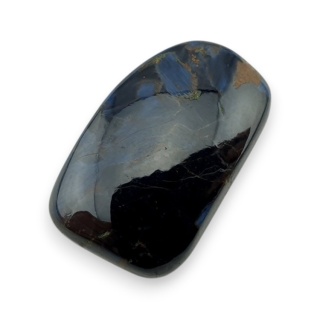
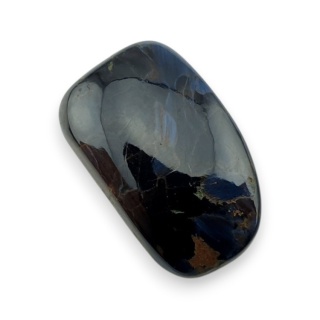
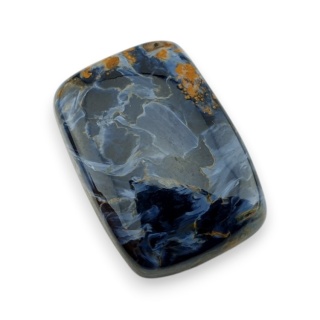
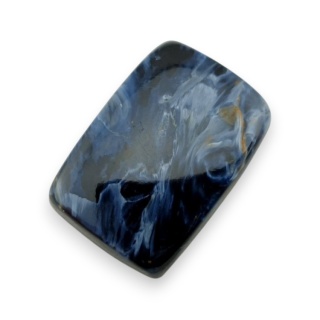
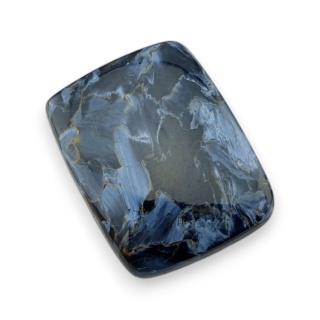
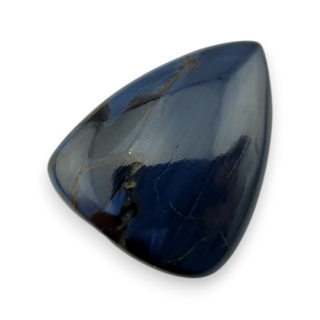
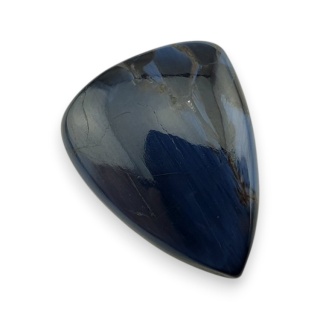
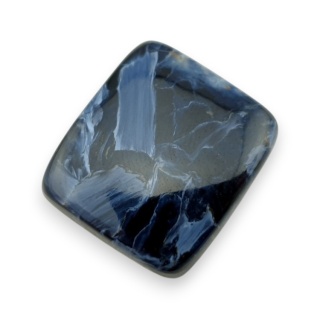
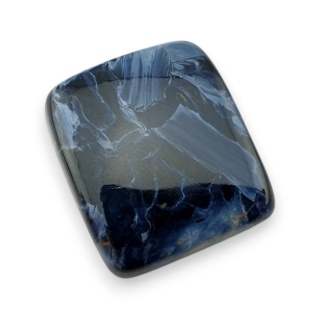
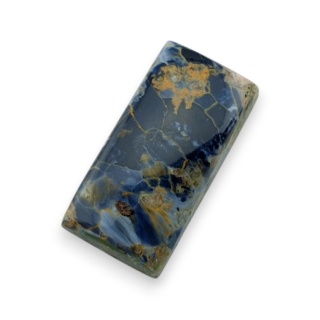
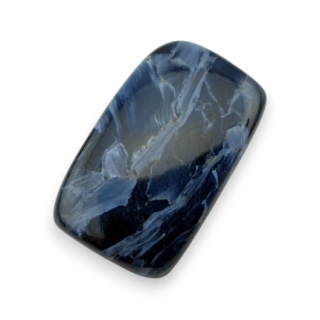
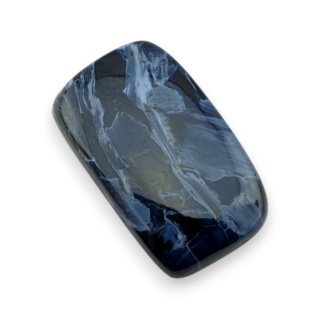
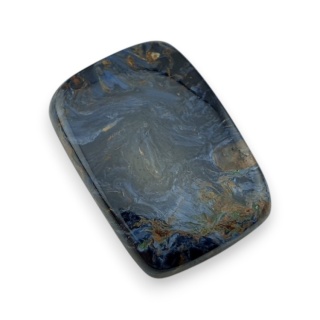
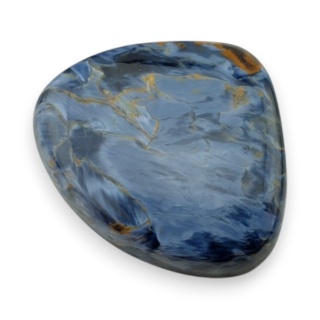
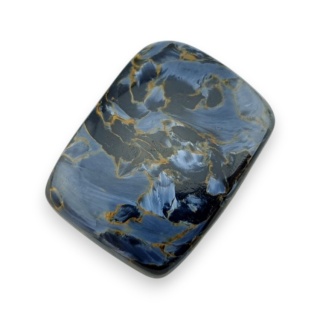
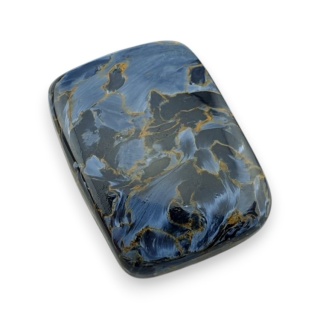
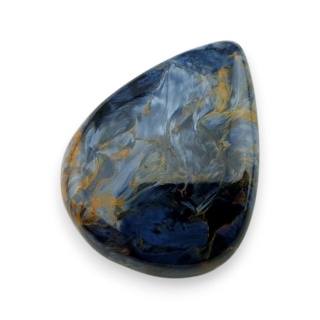
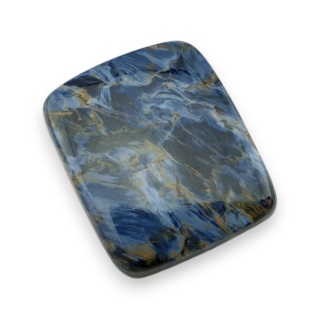
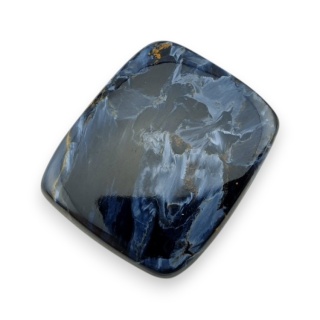
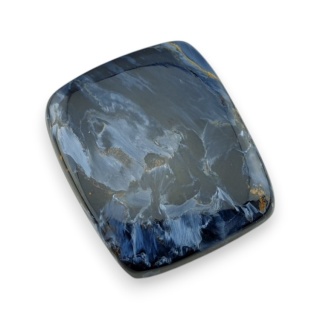
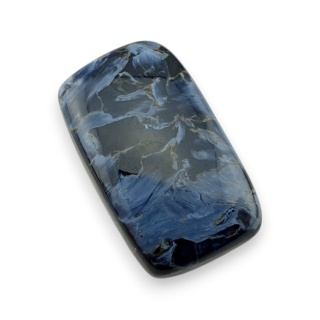
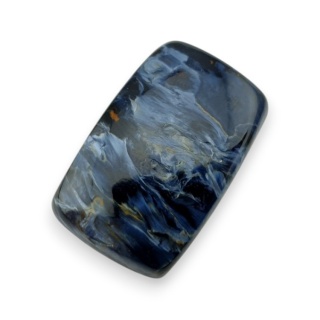
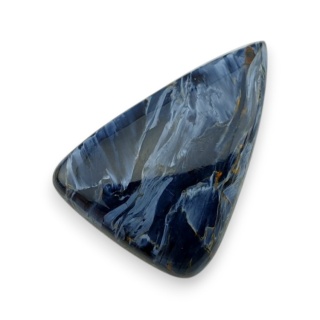
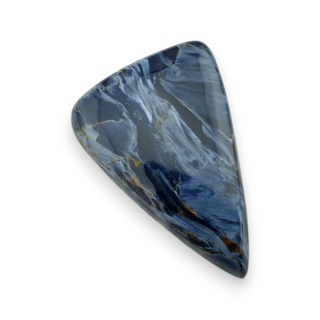
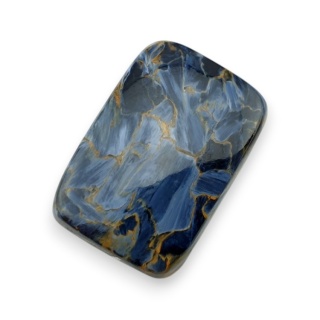
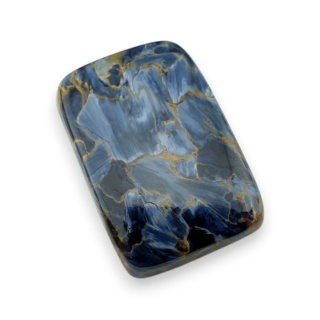
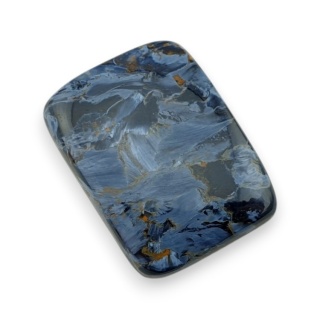
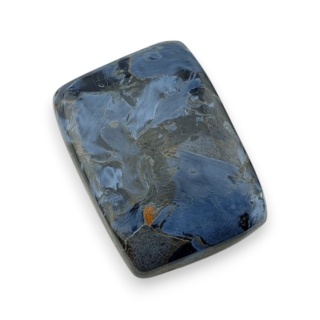
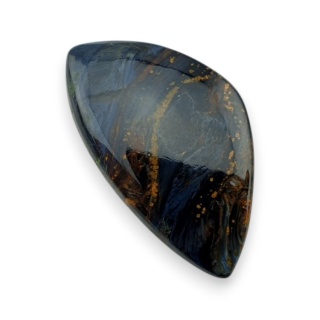
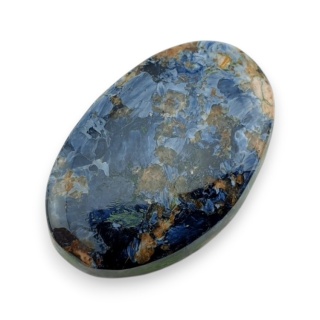
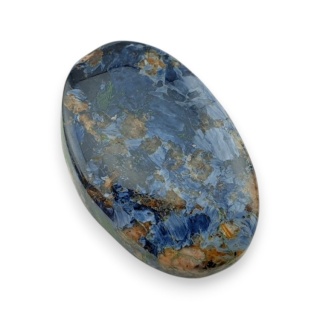
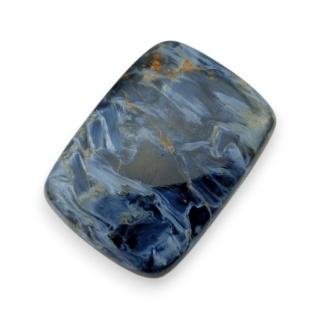
The characteristic color of pietersite is mainly blue. Pietersite colors range from shades of blue, including light blue, dark blue, and sometimes brown or almost black, forming multicolored streaks. The appearance of pietersite is also associated with the chatoyancy effect, which means that it can shimmer or sparkle in the light, further enhancing its appeal as a decorative stone.
What are the properties of pietersite?
Pietersite physical properties:
- Hardness: Pietersite usually has a hardness of 5.5-6 on the Mohs scale, which means that it is quite durable but still susceptible to scratching by substances with higher hardness.
- Luster: It has a metallic luster, which means it may appear shiny or glossy.
- Color: The characteristic color of pietersite is blue, but it can also occur in shades of black and brown.
- Fracture: This mineral has a brittle fracture.
- Chatoyancy effect: Some varieties of pietersite exhibit chatoyancy, which means that they may appear to shimmer or shimmer in the light.
Pietersite chemical properties:
- Chemical composition: Pietersite is a type of barium sulfate containing selenium. It consists of barium sulfate and selenium.
- Crystal structure: It has a complex crystal structure associated with the presence of selenium.
- Dispersion: Pietersite exhibits dispersion, which means that light is scattered within the mineral, which can contribute to color and shimmering effects.
- Density: The density of pietersite is approximately 4.35–4.38 g/cm³.
The above characteristics make pietersite an interesting mineral for both collectors and those interested in jewelry.
Who and when discovered pietersite?
Pietersite was discovered by Dutch mineralogist Sid Pieters in 1962. The discovery took place in Namibia, in southwestern Africa. Sid Pieters identified the new mineral and named it “pietersite” after his surname. This discovery was significant in the world of mineralogy, and pietersite became a prized collector's mineral due to its unique color and properties.
What are the main uses of pietersite in industry or jewelry?
Pietersite is not commonly used in the jewelry industry, but some varieties of this mineral with attractive colors and optical effects can be used to create unique decorative stones. Here are some potential uses for pietersite in industry and jewelry:
- Ornamental stones: Some varieties of pietersite, especially those exhibiting chatoyancy (cat's eye effect), can be used as ornamental stones in jewelry. The originality and unique patterns of pietersite may attract the attention of jewelry designers.
- Artistic jewelry: Artistic jewelry makers can use pietersite to handcraft unusual and unique designs. The mineral's aesthetic properties can serve as inspiration for jewelry artists.
- Collecting: Due to its rarity and unusual characteristics, pietersite may be valuable to mineral collectors and geology enthusiasts. Mineral collectors may seek out pietersite for its unique properties.
- Decorative items: Smaller pieces of pietersite with attractive patterns and colors can be used to create various decorative items, such as key chains, interior decorations, and decorative elements.
What is the significance of pietersite in esotericism?
Like many other minerals and gemstones, natural pietersite is sometimes attributed with certain meanings in esotericism and spirituality. In esoteric circles, different stones are attributed with different energetic or spiritual properties. However, it is important to remember that these interpretations have no scientific basis and are more related to the field of spiritual beliefs and practices. Here are some general interpretations of pietersite in esotericism:
- Intuition and clairvoyance: Pietersite is associated with developing intuition and clairvoyance. It is believed that wearing this stone can support the development of psychic abilities and enable a deeper understanding of intuition.
- Energy protection: Some believe that pietersite helps to cleanse and protect the energy field of the wearer, shielding them from negative energy and influences.
- Enhancing mental enlightenment: Pietersite promotes focus and is believed to enhance mental enlightenment, which includes increasing awareness and understanding of one's spiritual path.
- Emotional healing: In esoteric practices, this stone is considered helpful in healing emotions, contributing to emotional balance and bringing a sense of calm.
However, it is important to note that these interpretations are subjective and depend on personal beliefs and convictions. People interested in esotericism and spirituality often use various stones as tools to aid meditation, energy practices, or as elements of jewelry with symbolic meaning.
Where in the world is natural pietersite found?
Namibian pietersite is the most common association with the question of where this mineral is found. Namibia is one of the main places in the world where this very rare stone is mined. Specifically, it was discovered near the town of Outjo in the northern part of the country. Other areas in Namibia, such as the vicinity of Windhoek, are also known for its occurrence.
It is worth noting that although Namibia is the main source of natural pietersite stones, this mineral can also be found in other places around the world, but in much smaller quantities. Nevertheless, pietersite deposits are generally rare, making this mineral highly prized among mineral collectors.