![[{[item.product.name]}]]([{[item.product.photo.url]}] 75w)
Do bezpłatnej dostawy brakuje: -,--
Podsumowanie zamówienia
Suma 0 zł
Cena uwzględnia rabaty
Agat lattice – naturalny kamień o siatkowej strukturze
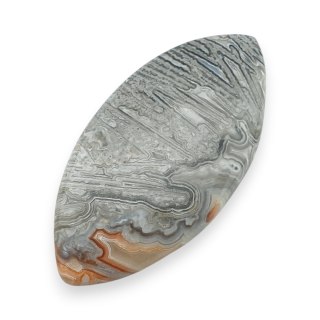
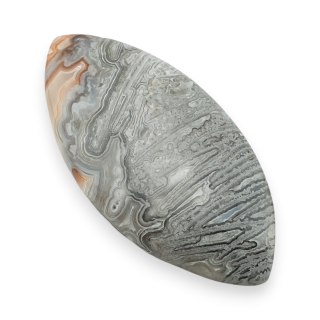
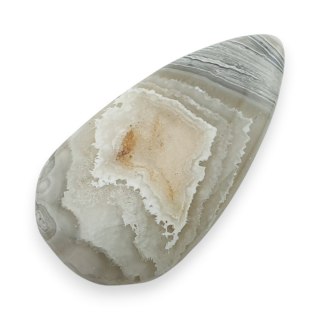
Liczba produktów: 81Agat lattice to wyjątkowa odmiana agatu wyróżniająca się charakterystycznym, przeplatającym się wzorem przypominającym siatkę, koronkę lub delikatną kratownicę. Naturalna struktura kamienia tworzy niepowtarzalne linie, pasma i rozgałęzienia, dzięki którym każdy egzemplarz ma indywidualny wygląd. Agat lattice doskonale sprawdza się jako materiał do wykonywania kaboszonów, zawieszek i oryginalnej biżuterii handmade.


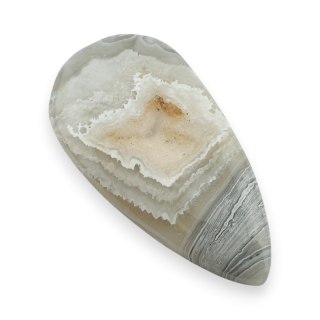
Czym jest Agat lattice?
Agat lattice to określenie stosowane dla agatu charakteryzującego się szczególnym, siatkowym lub kratowym układem naturalnych struktur. Wzór może przypominać delikatną koronkę, sieć, kratownicę, przeplatające się włókna albo nieregularne geometryczne formy. To właśnie charakterystyczny rysunek powierzchni jest najważniejszą cechą wyróżniającą ten rodzaj agatu.
Agat należy do grupy naturalnych materiałów krzemionkowych i jest tradycyjnie określany jako odmiana chalcedonu. Jego podstawowym składnikiem jest dwutlenek krzemu (SiO2). W rzeczywistości mikrostruktura agatu jest bardziej złożona i może obejmować różne formy krzemionki, między innymi chalcedon, kwarc, kwarcynę oraz inne fazy krzemionkowe. Badania mineralogiczne pokazują, że struktura agatu jest wynikiem złożonych procesów krystalizacji i wieloetapowego odkładania krzemionki. :contentReference[oaicite:1]{index=1}
Nazwa Agat lattice odnosi się przede wszystkim do charakterystycznego wyglądu kamienia. Nie jest to odrębny gatunek mineralogiczny, lecz określenie używane do opisania agatu o specyficznym, siatkowym lub przeplatającym się wzorze. W literaturze i handlu kamieniami można spotkać również określenia odnoszące się do wzoru koronkowego lub kratowego, przy czym granice pomiędzy poszczególnymi nazwami handlowymi nie zawsze są jednoznaczne. :contentReference[oaicite:2]{index=2}
Charakterystyczny wzór Agatu lattice
Największą zaletą Agatu lattice jest jego niezwykły wzór. W przeciwieństwie do agatu o prostych, równoległych lub koncentrycznych pasmach, w Agacie lattice struktury mogą przecinać się, rozgałęziać i tworzyć nieregularne układy przypominające naturalną sieć.
W zależności od konkretnego fragmentu kamienia wzór może być bardzo drobny i gęsty albo bardziej otwarty, z większymi przestrzeniami pomiędzy poszczególnymi strukturami. Niektóre okazy przypominają koronkę, inne delikatną siatkę lub abstrakcyjny rysunek wykonany przez naturę.
Tak charakterystyczny wygląd sprawia, że każdy kaboszon z Agatu lattice może wyglądać zupełnie inaczej. Sposób przecięcia materiału ma również ogromne znaczenie dla ostatecznego wyglądu kamienia, ponieważ decyduje o tym, które partie naturalnego wzoru zostaną wyeksponowane.
Jak powstaje wzór agatu?
Powstawanie agatu jest związane z procesami geologicznymi zachodzącymi w pustkach, szczelinach i pęcherzach skał. Do takich przestrzeni mogą przedostawać się roztwory bogate w krzemionkę. W kolejnych etapach krzemionka osadza się i krystalizuje, tworząc charakterystyczne warstwy oraz mikrostruktury.
Badania mineralogiczne wskazują, że formowanie agatu jest procesem złożonym i może obejmować krystalizację z prekursorów amorficznej krzemionki, rozwój włóknistego chalcedonu oraz późniejsze powstawanie innych form SiO2. Zróżnicowanie wielkości krystalitów, porowatości, rodzaju faz krzemionkowych i obecności domieszek wpływa na ostateczny wygląd kamienia. :contentReference[oaicite:3]{index=3}
W przypadku wzorów charakterystycznych dla Agatu lattice szczególnie interesujące są struktury związane z orientacją i sposobem wzrostu mikrokrystalicznej krzemionki. Badania nad mikrostrukturą agatu pokazują, że orientacja kryształów chalcedonu może odpowiadać za widoczne na powierzchni charakterystyczne układy linii i pasm. :contentReference[oaicite:4]{index=4}
Agat lattice a inne odmiany agatu
Agaty mogą tworzyć bardzo różnorodne wzory. W zależności od charakteru struktury spotyka się między innymi agaty pasiaste, koronkowe, forteczne, mchowe czy dendrytowe. Agat lattice wyróżnia się przede wszystkim przeplatającym się, siatkowym układem struktur.
Warto jednak pamiętać, że nazewnictwo agatu stosowane w handlu kamieniami ozdobnymi nie zawsze odpowiada ścisłej klasyfikacji mineralogicznej. Nazwy takie jak „lattice”, „lace” czy „crazy lace” często odnoszą się przede wszystkim do charakterystycznego wyglądu materiału, a nie do formalnie zdefiniowanych gatunków lub odmian mineralogicznych.
Właściwości Agatu lattice
Pod względem składu chemicznego agat jest związany przede wszystkim z krzemionką, której wzór chemiczny to SiO2. Ze względu na mikrokrystaliczną strukturę chalcedonu powierzchnia wypolerowanego agatu może uzyskiwać charakterystyczny, delikatnie woskowy lub szklisty połysk.
Twardość agatu wynosi zazwyczaj około 6,5–7 w skali Mohsa. Dzięki stosunkowo wysokiej twardości oraz możliwości uzyskania bardzo gładkiej powierzchni agat od tysięcy lat jest wykorzystywany jako materiał ozdobny i jubilerski.
Jednocześnie naturalny agat może zawierać mikropęknięcia, pustki, inkluzje oraz inne struktury powstałe podczas procesów geologicznych. Ich obecność jest naturalną cechą materiału i może wpływać na jego odporność mechaniczną.
Agat lattice w jubilerstwie
Agat lattice jest szczególnie atrakcyjny dla projektantów biżuterii, którzy poszukują kamieni o wyrazistym, naturalnym wzorze. Jego siatkowa struktura może stanowić główny element dekoracyjny biżuterii, bez potrzeby stosowania dodatkowych ozdobnych motywów.
Agat lattice może być wykorzystywany do tworzenia:
- kaboszonów jubilerskich,
- zawieszek i wisiorków,
- pierścionków,
- kolczyków,
- bransoletek,
- naszyjników,
- biżuterii artystycznej,
- biżuterii handmade.
Szczególnie dobrze sprawdza się w formie kaboszonu. Gładka, wypolerowana powierzchnia pozwala odpowiednio wyeksponować naturalny wzór i sprawia, że struktura kamienia staje się centralnym elementem projektu.
Agat lattice jako kaboszon
Kaboszony z Agatu lattice są interesujące przede wszystkim ze względu na niepowtarzalność wzoru. Podczas cięcia kamienia można wyeksponować fragment o bardzo gęstej strukturze lub przeciwnie – wybrać część, w której wzór tworzy większe, bardziej otwarte przestrzenie.
Oznacza to, że nawet dwa kaboszony pochodzące z tego samego kawałka surowca mogą mieć zupełnie inny wygląd. Dla twórców biżuterii jest to duża zaleta, ponieważ umożliwia tworzenie unikatowych projektów i krótkich, niepowtarzalnych kolekcji.
Naturalna zmienność Agatu lattice
Naturalny agat nie jest materiałem o całkowicie jednorodnej strukturze. Poszczególne egzemplarze Agatu lattice mogą różnić się intensywnością wzoru, jego zagęszczeniem, przejrzystością, kolorystyką oraz układem poszczególnych pasm i struktur.
Naturalne inkluzje, niewielkie pustki, mikropęknięcia i różnice kolorystyczne są elementami charakterystycznymi dla materiałów pochodzenia naturalnego. Nie należy ich automatycznie traktować jako wad. To właśnie naturalna zmienność sprawia, że każdy kamień ma własny charakter.
Jak wykorzystać Agat lattice w biżuterii?
Agat lattice dobrze sprawdza się zarówno w minimalistycznych, jak i bardziej wyrazistych projektach. Większy kaboszon może stać się centralnym elementem pierścionka lub wisiorka, natomiast mniejsze elementy można wykorzystać w kolczykach, bransoletkach i naszyjnikach.
Naturalny charakter agatu dobrze komponuje się ze srebrem 925, stalą chirurgiczną 316L, mosiądzem oraz elementami w kolorze złota. Dzięki temu Agat lattice można wykorzystać zarówno w klasycznej biżuterii, jak i w nowoczesnych projektach handmade.
Pielęgnacja biżuterii z Agatem lattice
Biżuterię z Agatem lattice należy chronić przed silnymi uderzeniami, zarysowaniami oraz agresywnymi środkami chemicznymi. Do codziennego czyszczenia najlepiej wykorzystać miękką ściereczkę i niewielką ilość letniej wody.
Należy unikać długotrwałego kontaktu kamienia z detergentami, rozpuszczalnikami, silnymi środkami czyszczącymi oraz kosmetykami. Biżuterię warto przechowywać oddzielnie od twardszych kamieni, aby ograniczyć ryzyko zarysowania wypolerowanej powierzchni.
Dlaczego warto wybrać Agat lattice?
Agat lattice to wyjątkowy materiał dla osób poszukujących naturalnego kamienia o oryginalnym i niepowtarzalnym wzorze. Jego charakterystyczna, siatkowa struktura odróżnia go od klasycznych agatów o regularnym pasmowaniu i sprawia, że każdy element wykonany z tego materiału może wyglądać inaczej.
Dzięki połączeniu naturalnej trwałości agatu, atrakcyjnej struktury i możliwości uzyskania wysokiego połysku Agat lattice jest interesującym materiałem do tworzenia kaboszonów, zawieszek oraz autorskiej biżuterii handmade.
FAQ
Tak - w fusima.pl rabaty łączą się. Rabat z kuponu rabatowego połączy się ze stałym rabatem klienta i razem obniżą cenę produktów - nawet tych przecenionych.
Standardowo przetwarzamy i wysyłamy zamówienia do 24 godzin od potwierdzenia płatności. Czas dostawy w Polsce: zwykle 1–2 dni robocze. Międzynarodowo: 2–4 dni roboczych.
Zarejestruj się w sklepie i po prostu składaj zamówienia. Wraz z rosnącą łączną wartością Twoich zamówień, rosną Twoje rabaty.
Nie ma ograniczeń w minimalnej ilości produktów lub wartości zamówienia.
Tak — kamienie w dopasowanych parach, np. do wyrobu kolczyków mamy zgrupowane w oddzielnej kategorii – kamienie na kolczyki.
W przypadku kamieni unikatowych, sprzedawanych w pojedynczych sztukach zdjęcia pokazują oferowany kamień. Dokładamy starań, aby zdjęcia były wierne, lecz kamienie naturalne są unikalne — barwy i inkluzje mogą się nieco różnić na zdjęciach i w rzeczywistości.
Wyślij e-mail z numerem zamówienia, opisem wady oraz zdjęciami. Reklamację rozpatrujemy zgodnie z prawem; możliwe rozwiązania to naprawa, wymiana lub zwrot pieniędzy.
Koszty standardowego zwrotu ponosi klient. W przypadku błędu sklepu lub wadliwego produktu koszty zwrotu ponosi sklep.
Sprzedajemy przede wszystkim naturalne kamienie i minerały. Posiadamy w ofercie także kamienie barwione, stabilizowane lub syntetyczne, a informacja ta jest wyraźnie zaznaczona w opisie produktu i/lub kategorii.
Tak - ceny prezentowane na stronie zawierają podatek VAT. Dla zamówień eksportowych i WDT stosujemy zasady rozliczeń zgodne z obowiązującymi przepisami podatkowymi.
Tak — wystawiamy faktury VAT. Dane do faktury możesz podać podczas składania zamówienia.
Tak – ustawiając na stronie sklepu walutę EUR płatności dokonasz wygodnie poprzez serwis ELAVON, PayPal lub przelewem bankowym.
Płatność można powtórzyć wchodząc w link z mail’a potwierdzającego przyjęcie zamówienie lub będąc zarejestrowanym klientem, w panelu klienta w sekcji Zamówienia.
Tak — wybierając w zamówieniu opcję płatności Wpłata na konto bankowe zamówienie realizowane jest po zaksięgowaniu środków na koncie. Prosimy o podanie numeru zamówienia w tytule przelewu.